Thermoplastic road markings are one of the most important safety systems on modern roads. On high-traffic roads, where visibility and fast reaction times are critical, reflective markings play a decisive role in preventing accidents. Unlike conventional road paint, thermoplastic materials are engineered for durability, retroreflectivity, and performance in demanding conditions. This blog covers why reflective thermoplastic markings are the preferred choice for high-traffic road infrastructure across the UAE and beyond.
Key Takeaways
- Thermoplastic road markings offer superior durability and visibility compared to standard road paint, making them ideal for high-traffic environments.
- Thermoplastic paint road marking uses glass beads to create retroreflective surfaces that remain visible even in rain, fog, and low-light conditions.
- Working with a reliable thermoplastic paint manufacturer ensures the markings meet regional safety standards and withstand harsh climate conditions like those in the UAE.
What Are Reflective Thermoplastic Road Markings?
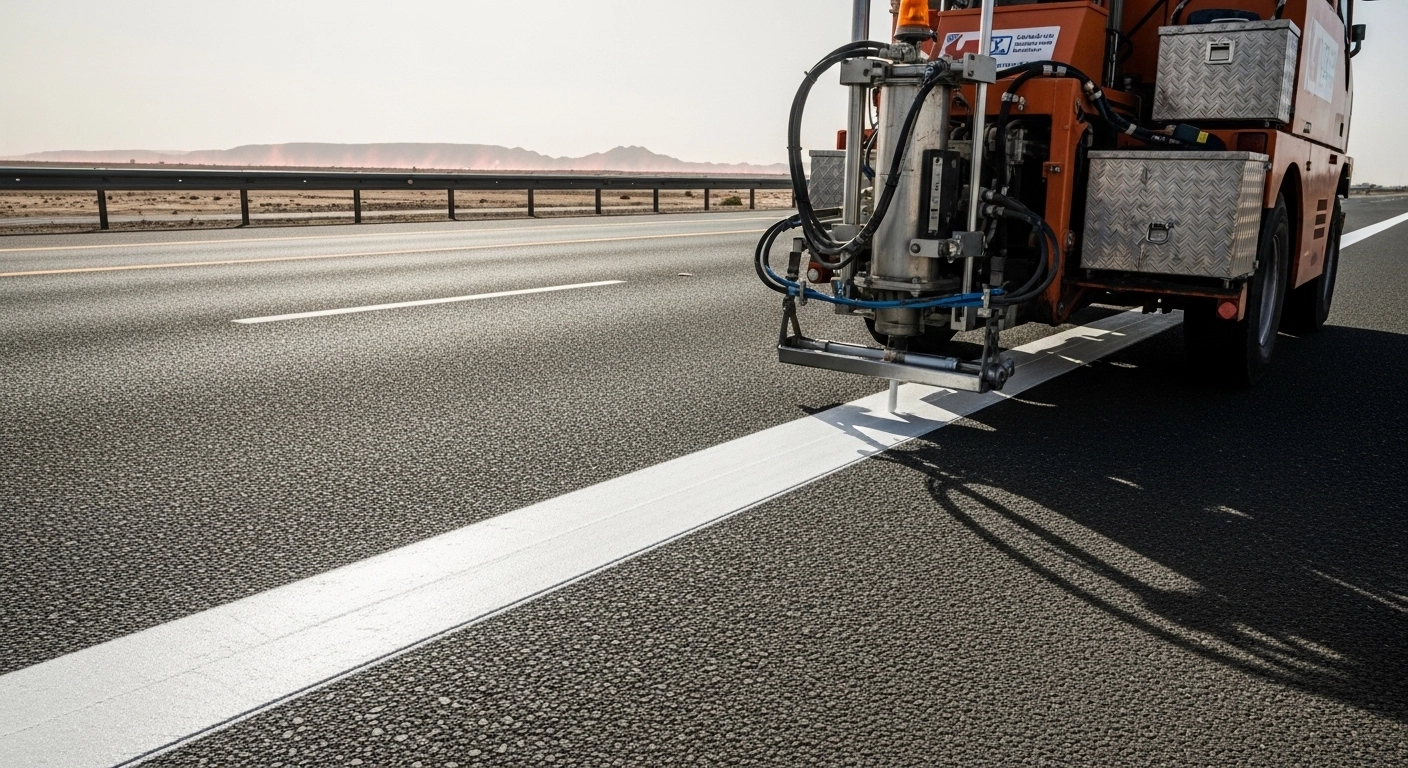
Reflective thermoplastic road markings are applied using heat-activated materials that bond directly to road surfaces. The material is heated to around 180 to 200 degrees Celsius before application. Once cooled, it forms a hard, durable surface layer that can withstand heavy vehicle loads, extreme temperatures, and continuous road use.
The key feature that distinguishes them from regular road paint is the integration of glass beads. These beads are either pre-mixed into the compound or dropped onto the surface during application. When vehicle headlights hit the surface, the beads reflect light back toward the driver. This retroreflective effect is what makes the markings visible in nighttime driving and wet weather conditions.
According to road safety guidelines published by the U.S. Federal Highway Administration, retroreflective pavement markings significantly improve driver response times, particularly in poor visibility scenarios. This principle applies equally to UAE roads where night driving and occasional fog present real challenges.
Why High-Traffic Roads Demand Thermoplastic Paint Road Marking
Standard road paint degrades quickly under heavy traffic. On motorways, highways, and urban arterial roads, markings are subjected to constant friction, UV exposure, and chemical contact from fuel and oil. Thermoplastic paint road marking is engineered to resist all of these stressors simultaneously.
Here is why high-traffic roads specifically benefit from thermoplastic solutions:
- Thickness and durability: Thermoplastic markings are typically 1.5 to 3 mm thick, far exceeding the 0.3 mm average of standard road paint. This means a much longer service life under heavy vehicle loads.
- Skid resistance: The surface texture of thermoplastic materials provides additional grip, reducing the risk of vehicle skidding on wet roads.
- Fast application and curing: Thermoplastic markings cure within minutes of application. This is essential for minimizing road closures during maintenance on busy roads.
- Retroreflectivity retention: Unlike paint that fades quickly, quality thermoplastic materials maintain their reflective performance for 3 to 7 years depending on traffic volume and application quality.
- Bright color retention: White and yellow thermoplastic markings hold their color intensity even after years of exposure to sun, rain, and traffic wear.
In the UAE, where summer temperatures can exceed 45 degrees Celsius and roads carry some of the region’s highest traffic volumes, the need for resilient thermoplastic road markings is especially significant. Conventional paint simply cannot withstand these conditions at the same performance level.
The Role of a Thermoplastic Paint Manufacturer in Road Safety
The quality of a thermoplastic road marking is directly tied to the quality of the material used. A skilled thermoplastic paint manufacturer formulates compounds that meet specific performance benchmarks including minimum retroreflectivity levels, skid resistance values, and temperature resistance ratings.
In the UAE, road markings must comply with local and international standards such as those set by the UAE Ministry of Infrastructure Development and relevant ASTM or EN specifications. Manufacturers who understand these standards produce materials that not only perform well but also meet regulatory requirements for government and infrastructure projects.
When sourcing thermoplastic materials, project managers should evaluate manufacturers based on the following criteria:
- Compliance with regional and international road marking standards
- Verified retroreflectivity performance data
- Track record on large-scale infrastructure projects
- Availability of technical support and post-installation service
- Capacity to meet project timelines and volume requirements
Applications of Thermoplastic Road Markings on High-Traffic Roads
Thermoplastic road markings are used across a wide range of high-traffic environments. Each application has specific performance requirements that thermoplastic materials are uniquely equipped to meet.
Highway and Motorway Lane Markings
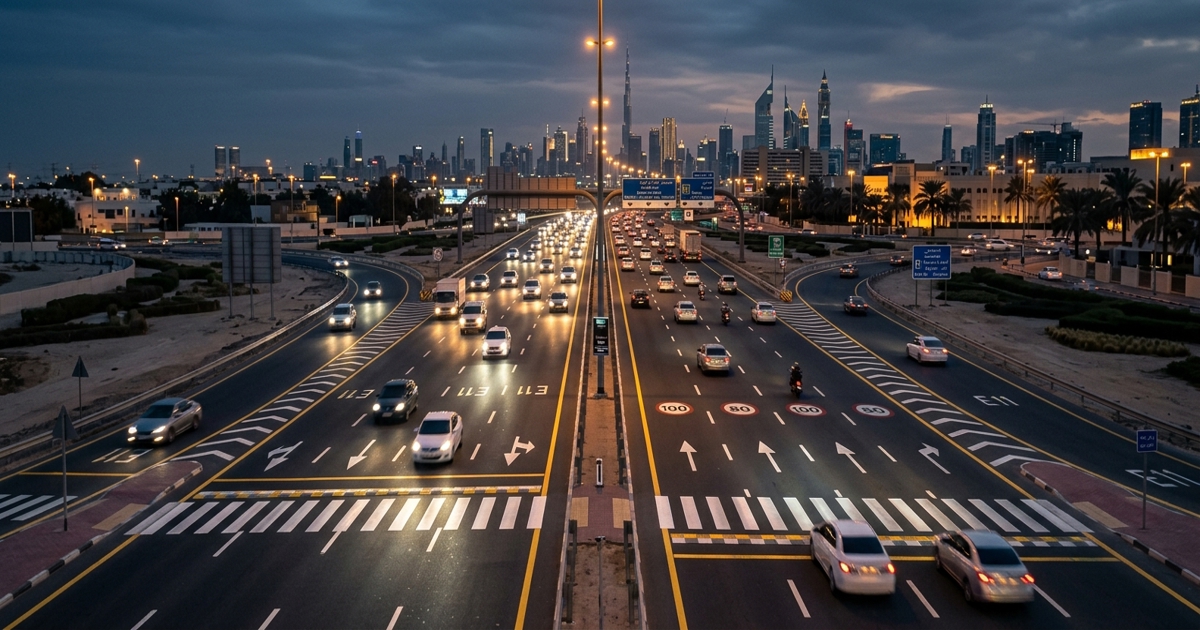
On highways, lane markings must remain clearly visible at high speeds and in all weather conditions. Thermoplastic markings with embedded glass beads maintain retroreflectivity levels that keep drivers properly oriented, especially during night driving or in rain. The durability of thermoplastic materials also means that re-marking frequency is reduced, which lowers long-term maintenance costs for road authorities.
Pedestrian Crossings and School Zones
In zones where pedestrian safety is critical, such as school zones and commercial areas, thermoplastic paint road marking provides high-contrast, durable zebra crossings and stop lines. The bright white finish and skid-resistant surface improve safety for both drivers and pedestrians. These markings also resist wear from heavy foot traffic on crossing surfaces.
Intersections and Roundabouts
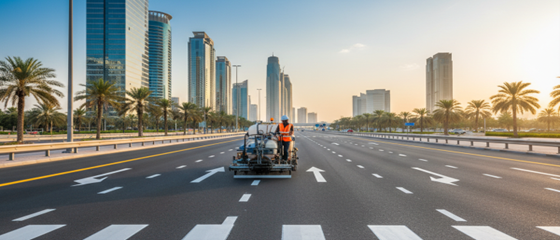
Complex road environments like intersections and roundabouts rely on clear, consistent markings to manage traffic flow. Arrow markings, give-way lines, and directional indicators applied with thermoplastic materials remain legible for extended periods. Their resistance to wear under the constant stopping, turning, and accelerating at these points is a significant operational advantage.
Airport Taxiways and Industrial Roads
High-load environments such as airport taxiways and port access roads require markings that can withstand extreme mechanical stress. Thermoplastic materials bond firmly to concrete and asphalt surfaces, maintaining integrity even under the weight of aircraft, heavy trucks, and industrial machinery. According to ICAO airport surface marking guidelines, durable and highly visible markings are mandatory for airside safety compliance.
How Thermoplastic Markings Perform in UAE Climate Conditions
The UAE presents a unique climate challenge for road markings. Extreme heat causes standard paints to blister and peel. Occasional sandstorms create abrasive conditions that accelerate surface wear. Thermoplastic compounds formulated for high-temperature climates use binding agents and fillers that resist softening even in intense heat.
Quality thermoplastic materials used in the UAE typically include hydrocarbon resin binders that maintain structural integrity at elevated surface temperatures. The glass bead component also remains stable, ensuring retroreflectivity is not compromised by heat expansion. This makes thermoplastic road markings the logical and technically sound choice for UAE road safety infrastructure.
Road authorities and contractors working in the region should partner with suppliers who have direct experience with local climate conditions and a thorough understanding of formulation requirements for roads in this environment. Selecting the right materials and the right supplier partner are decisions that directly affect the long-term safety performance of every road marking project.
Conclusion
Thermoplastic road markings are not just a material preference. They are a safety necessity on high-traffic roads. Their retroreflective properties, durability under heavy use, and resistance to harsh climate conditions make them the most reliable road marking solution available. Whether applied on highways, intersections, pedestrian crossings, or industrial facilities, thermoplastic markings consistently outperform standard road paint in every performance category. For UAE infrastructure projects, working with an experienced supplier and qualified thermoplastic paint manufacturer ensures that every marking meets the safety and regulatory standards the region demands.
Frequently Asked Questions
What makes thermoplastic road markings different from regular road paint?
How do glass beads in thermoplastic markings improve road safety?
Are thermoplastic road markings suitable for the UAE climate?
How long do reflective thermoplastic road markings last on busy roads?
What types of roads benefit most from thermoplastic paint road marking?
How quickly do thermoplastic road markings cure after application?
What standards do thermoplastic road markings in the UAE need to meet?
Can thermoplastic markings be used on both asphalt and concrete surfaces?