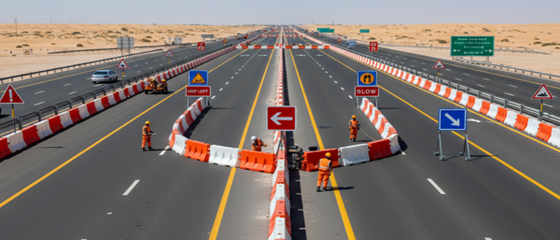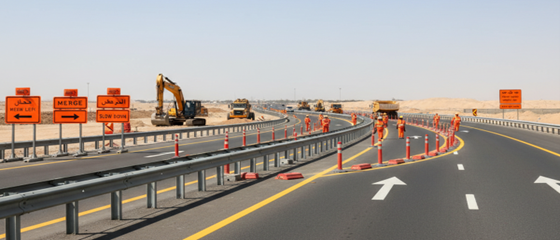
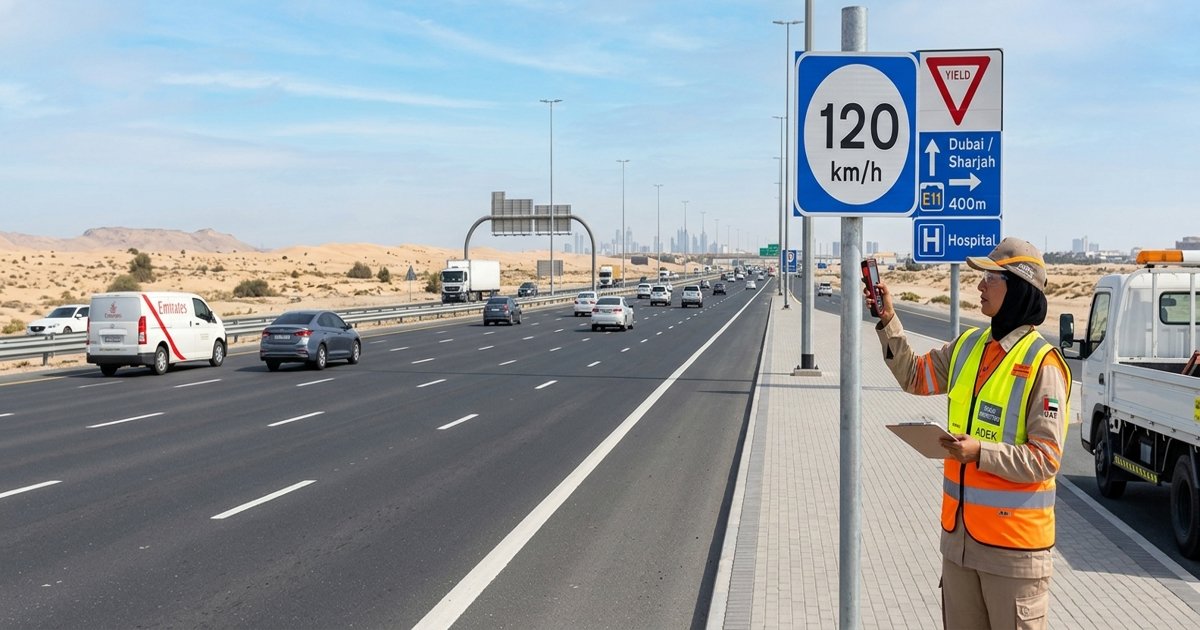
Road signage is the silent backbone of every safe and well-functioning road network. When signs fade, get damaged, or become illegible, the consequences can be severe. For municipalities, road authorities, and infrastructure contractors across the UAE, understanding why regular inspection of road signage matters is not just a best practice but a core responsibility. This blog covers the importance of routine inspections, what to look for, and how a structured maintenance approach protects both people and infrastructure investments. To explore the full range of traffic management solutions available for UAE roads, visit Revive Middle East’s traffic management services, a leading supplier of road safety and traffic infrastructure products in the region.
Key Takeaways
- Regular inspection of road signage prevents accidents caused by missing or damaged signs and ensures compliance with local traffic regulations.
- Road traffic signs degrade over time due to weather, UV exposure, and physical impacts, making scheduled maintenance essential.
- A proactive maintenance program for traffic signs extends asset lifespan, reduces long-term costs, and supports overall road safety infrastructure.
The Critical Role of Road Signage in Traffic Safety
Road signage communicates vital instructions to every driver, cyclist, and pedestrian on public roads. A stop sign that is partially obscured or a speed limit sign that has faded beyond recognition creates real danger. In high-traffic urban environments like Dubai or Abu Dhabi, even a momentary lapse in sign visibility can contribute to collisions or dangerous maneuvers.
Beyond individual safety, road signage supports the smooth flow of traffic across entire networks. Directional signs, warning signs, and regulatory markers all work together to reduce confusion and keep vehicles moving predictably. When these systems fail due to neglect, the ripple effects are felt across entire road corridors. Infrastructure managers who prioritize traffic signs as a critical asset class tend to see better long-term outcomes across their entire road safety programs. Understanding common traffic management challenges and how to overcome them is essential context for anyone responsible for maintaining road infrastructure at scale. For high-quality road traffic signs manufactured to UAE and international standards, infrastructure teams across the region can access a comprehensive product range through Revive Middle East’s product catalogue for consistent product quality and expert technical support.
Why Road Traffic Signs Deteriorate Over Time
Understanding why road traffic signs degrade is the first step toward building an effective maintenance program. Several environmental and physical factors accelerate sign wear, particularly in the UAE’s demanding climate.
- UV Radiation: The intense desert sun causes retroreflective sheeting to fade, reducing nighttime visibility significantly.
- Extreme Heat: Prolonged exposure to high temperatures warps sign substrates and weakens adhesive bonding on lettering or symbols.
- Sandstorms: Abrasive particles scratch sign surfaces and clog reflective layers, reducing legibility.
- Physical Impact: Vehicle collisions, vandalism, or construction activity can bend posts, crack panels, or displace signs entirely.
- Moisture and Corrosion: Even in arid climates, occasional humidity and condensation can corrode sign posts and hardware over time.
According to the Federal Highway Administration, retroreflective sign materials have a defined service life, and signs that fall below minimum retroreflectivity levels must be replaced to maintain safety standards. While UAE guidelines are governed locally, the same performance principles apply globally.
What a Proper Road Signage Inspection Should Cover
A thorough inspection of road signage goes well beyond a visual drive-by check. Trained inspectors evaluate multiple dimensions of sign performance to ensure full functionality and regulatory compliance.
Visibility and Retroreflectivity Assessment
Retroreflectivity is the ability of a sign surface to reflect light back to a driver’s eyes, which is especially critical during nighttime driving. Inspectors use calibrated retroreflectometers to measure reflectivity levels against established standards. Signs that fall below the acceptable threshold must be flagged for immediate replacement. This type of assessment should be performed on all road traffic signs at regular intervals, ideally annually or after any significant weather event.
Structural Integrity and Post Condition
The physical structure supporting every traffic sign is just as important as the sign face itself. Inspections should assess post alignment, foundation stability, and mounting hardware condition. A leaning or unstable post poses a collapse risk, while loose brackets can cause signs to spin or tilt out of the correct viewing angle. For high-speed roads and highways, structural failures in sign supports can become projectile hazards in extreme wind conditions. Ensuring that sign post systems meet structural performance requirements is a core part of any complete road signage maintenance strategy.
Sign Positioning and Sight Distance Compliance
Over time, vegetation growth, construction barriers, or unauthorized structures can obscure traffic signs that were originally installed in fully compliant positions. Inspectors must verify that each sign maintains the required sight distance for the posted speed limit. Overgrown trees blocking a warning sign or a temporary barrier placed in front of a directional marker are common issues that only a systematic inspection program will catch consistently.
Building a Sustainable Road Signage Maintenance Schedule
A reactive approach to road signage maintenance, where signs are only replaced after they fail completely, is inefficient and costly. A proactive, scheduled maintenance program delivers better outcomes for infrastructure managers and road users alike.
Effective maintenance schedules typically include:
- Routine Visual Inspections: Conducted every three to six months to identify obvious damage, fading, or obstruction issues.
- Retroreflectivity Testing: Performed annually using specialized instruments to verify nighttime visibility performance.
- Post and Hardware Audits: Scheduled every one to two years to check structural components and fastening systems.
- Post-Event Inspections: Triggered after major weather events, accidents, or construction activity that may have affected sign integrity.
- Inventory Updates: Maintaining a current database of all signs, their installation dates, material specifications, and condition ratings.
Infrastructure teams that build these schedules into annual maintenance budgets reduce emergency replacement costs and minimize liability exposure from inadequate signage. Understanding how traffic safety equipment helps reduce accidents and improve road safety supports more informed decisions when designing these programs. Partnering with a reliable traffic infrastructure provider ensures that replacement road traffic signs meet current standards and are available without extended lead times when urgent replacements are required.
Compliance and Regulatory Standards for Traffic Signs in the UAE
In the UAE, traffic signs must conform to standards set by the relevant authorities, including the Ministry of Interior and local road and transport departments. These standards govern sign dimensions, color specifications, font requirements, reflectivity grades, and installation heights.
Failure to maintain signage in compliance with these standards can result in legal liability for infrastructure owners, particularly if an accident is linked to a degraded or missing sign. Regular inspection documentation also provides a formal record of due diligence that can be critical during audits or incident investigations.
The International Organization for Standardization also provides globally recognized frameworks for road sign quality and performance that inform local regulatory standards. Staying aligned with both local and international benchmarks ensures the highest levels of road safety performance. Road authorities and infrastructure contractors looking for compliant traffic signs that meet UAE-specific dimensional and reflectivity requirements can review the full range of certified road safety products through key factors to consider when installing traffic signs, which outlines important compliance considerations for public and private sector clients across the region.
The Cost of Neglecting Road Signage Maintenance
Deferred maintenance on road signage carries both direct and indirect costs that far exceed the price of routine inspections. Direct costs include emergency replacements, which are typically more expensive than planned replacements due to urgency and mobilization requirements. Indirect costs include increased accident risk, potential legal exposure, and reputational damage for the managing authority.
In infrastructure-dense environments like the UAE, where road networks support high volumes of commercial and residential traffic, the stakes are particularly high. A single missing regulatory sign on a busy interchange can create confusion affecting thousands of daily commuters. Investing in regular inspection and timely repair of road traffic signs is a cost-effective risk management strategy by any measure.
Choosing the Right Partner for Road Signage Maintenance
Not all maintenance service providers bring the same level of expertise to road signage projects. The right partner should offer a combination of manufacturing knowledge, installation experience, and a structured maintenance program tailored to local conditions and regulatory requirements.
Look for providers that offer end-to-end support for traffic management infrastructure, including the supply of high-quality traffic signs, professional installation, and ongoing maintenance services. Experience across public sector and private infrastructure projects ensures the team understands the technical demands and compliance expectations of UAE road authorities. A supplier with deep expertise in UAE road safety infrastructure can also advise on optimal sign materials, retroreflective sheeting grades, and post systems that perform reliably under local environmental conditions, helping infrastructure managers maximize the service life of every road signage asset in their portfolio.
Conclusion
Road signage maintenance is not an optional extra in a well-run infrastructure program. It is a foundational requirement for public safety, regulatory compliance, and the long-term performance of road networks. Regular inspection of road traffic signs identifies problems before they become hazards, extends the service life of every sign asset, and ensures that drivers always receive clear, accurate guidance. For UAE infrastructure managers and road authorities, building a structured, documented inspection and maintenance program is the most responsible and cost-effective approach to managing traffic signs over the long term. To learn how Revive Middle East can support your maintenance program with certified products, expert installation, and technical guidance, explore the full range of traffic management products and services available through Revive Middle East’s services.
Frequently Asked Questions
How often should road signage be inspected in the UAE?
What causes road traffic signs to deteriorate faster in the UAE?
What is retroreflectivity and why does it matter for traffic signs?
What are the consequences of neglecting road signage maintenance?
Who is responsible for maintaining road traffic signs in the UAE?
What should a road signage inspection checklist include?
How do sandstorms affect the performance of traffic signs?
Can vegetation growth cause compliance issues with road signage?
What materials are used in high-performance road traffic signs?
How does regular inspection of road signage reduce long-term infrastructure costs?
Regular inspection identifies minor damage before it becomes a full replacement requirement, reducing emergency costs significantly. Planned maintenance also allows budget forecasting and extends overall asset lifespan, as explored in resources covering key factors when installing traffic signs that inform long-term planning decisions.