Traffic safety equipment is the foundation of every successful road infrastructure project. Whether you are managing a highway expansion, a municipal road upgrade, or a construction site near a busy corridor, choosing the right safety products can mean the difference between a well-protected environment and a hazardous one. This blog walks you through the key categories of traffic safety equipment, how to evaluate your project needs, and what factors matter most when sourcing solutions in the UAE.
Key Takeaways
- Choosing the correct traffic safety equipment depends on project scale, location, and regulatory requirements.
- The right traffic safety solutions combine durable materials, proper installation, and long-term serviceability.
- Products like traffic signs, guard rails, road markings, and road furniture work together as a system, not in isolation.
- Partnering with a qualified UAE manufacturer ensures compliance, faster delivery, and reliable after-service support.
Why Traffic Safety Equipment Selection Matters
Every road project carries risk. Heavy vehicles, pedestrian crossings, construction activity, and high-speed zones all create conditions where the wrong equipment choice can have serious consequences. Traffic safety equipment is not a one-size-fits-all purchase. A rural road project has different needs from an urban intersection upgrade or a highway toll zone.
According to the World Health Organization, road traffic injuries remain a leading global concern, reinforcing why proper safety infrastructure matters at every project stage. Selecting products that meet regional standards and site-specific demands is the first step toward a safer outcome.
For infrastructure teams across the UAE, sourcing from a local manufacturer with proven expertise, like Revive Middle East, means faster lead times, better product customization, and direct technical support throughout the project lifecycle.
Key Categories of Traffic Safety Equipment to Consider
Understanding what each product category does helps project managers build a complete safety plan. Here is a breakdown of the most essential types of traffic safety equipment used in UAE infrastructure projects.
Traffic Signs for Road Regulation and Guidance
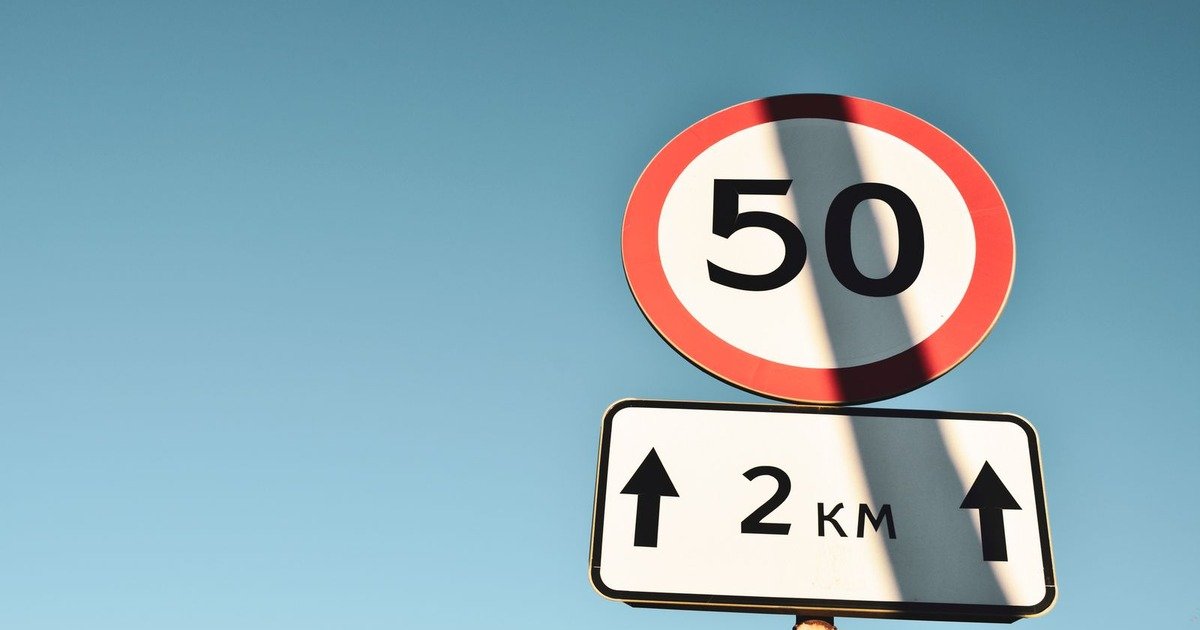
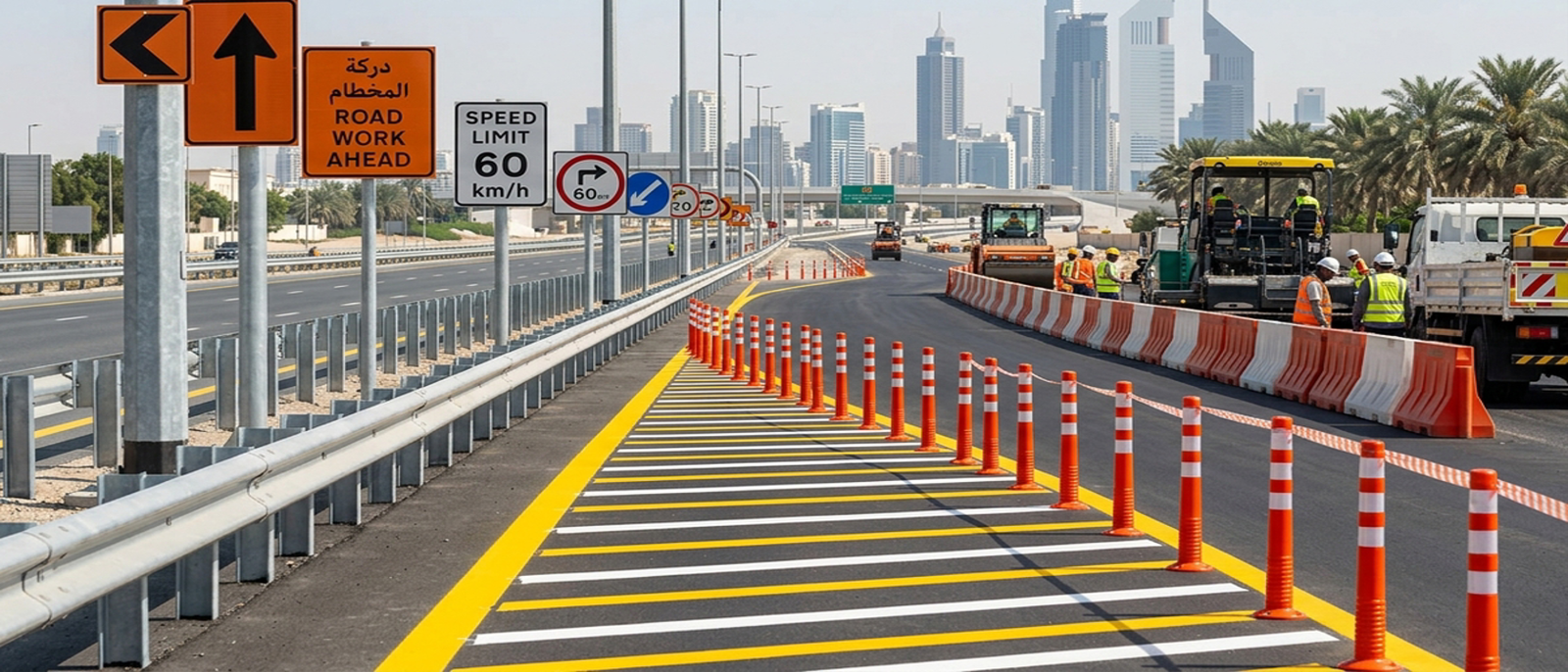
Traffic signs are among the most visible and critical elements of any road safety system. They communicate speed limits, warnings, directions, and prohibitions to drivers and pedestrians. Poorly designed or incorrectly placed signs can create confusion and increase accident risk on high-speed corridors.
When selecting traffic signs, consider visibility requirements, retroreflectivity ratings, and weather resistance. Signs used on UAE highways must endure intense heat, sandstorms, and UV exposure. Custom signage options allow project teams to match regulatory dimensions and language requirements for both Arabic and English road users. Revive Middle East manufactures traffic signs built to regional standards and project specifications.
Guard Rails for Barrier Protection on Roads and Highways
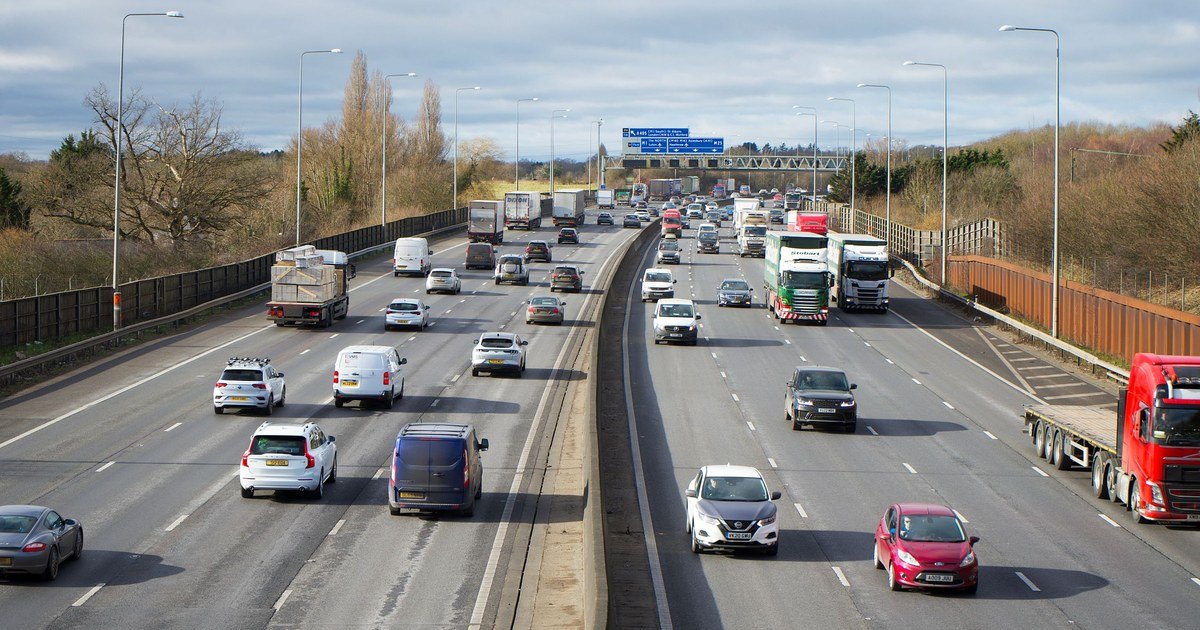
Guard rails serve as a physical barrier between vehicles and hazardous zones, including embankments, median dividers, and pedestrian areas. They are a critical component of highway safety infrastructure, particularly on elevated roads or areas with sharp curves.
Selecting the right guard rail system means evaluating the vehicle impact class, installation environment, and corrosion resistance. Steel W-beam guard rails are common on major roads, while more complex barrier systems may be required near bridges or interchanges. Proper installation depth and post spacing are equally important. Guard rails supplied by Revive Middle East are designed for durability and compliance with UAE road safety standards.
Road Markings for Lane Guidance and Safety
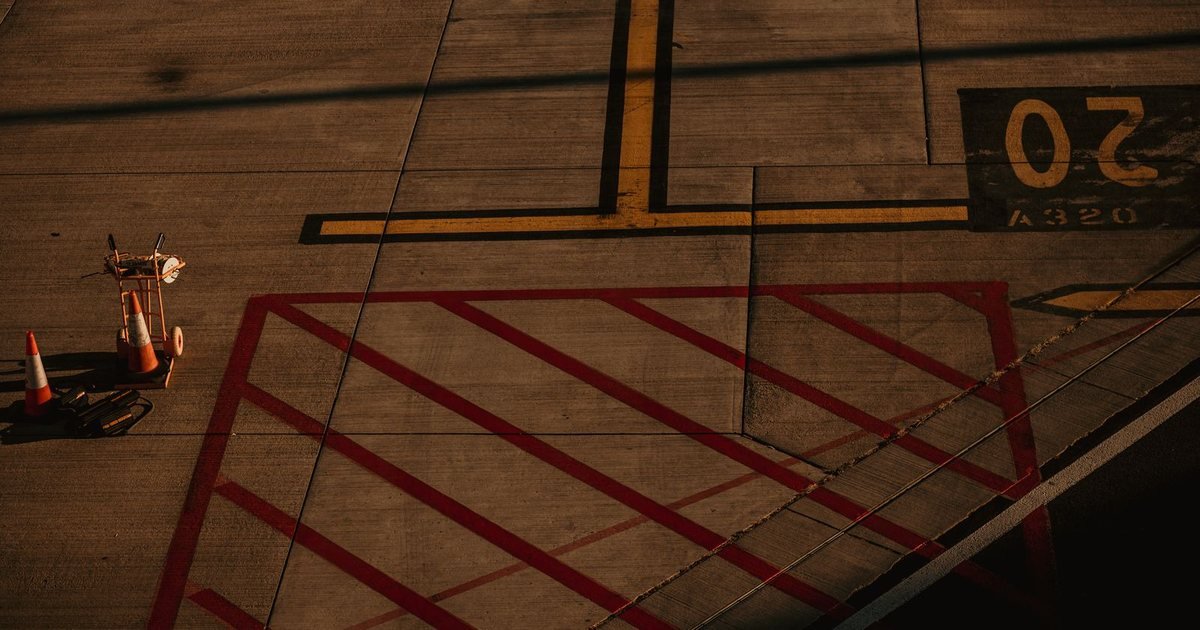
Road markings are one of the most cost-effective forms of traffic safety solutions available. They guide drivers through lanes, indicate pedestrian crossings, define no-overtaking zones, and improve visibility during nighttime or low-visibility conditions.
The quality of road marking materials directly affects how long the markings last and how visible they remain under heavy traffic. Thermoplastic markings are widely used in the UAE because of their durability in high-temperature environments. Retroreflective glass beads embedded in the material ensure visibility after dark. Poor-quality markings fade quickly and can create confusion that increases accident risk on busy corridors.
Road Furniture and Streetlamp Poles for Functional Infrastructure
Road furniture includes a broad range of items such as bollards, delineators, kerb stones, and pedestrian barriers. These elements manage vehicle flow, define boundaries, and protect vulnerable road users. They are particularly important in urban environments and commercial zones where mixed traffic is common.
Streetlamp poles are another critical component, providing the lighting infrastructure that supports driver visibility during nighttime and poor weather conditions. Choosing the right pole height, material grade, and foundation design depends on road classification and wind load requirements. Streetlamp poles and road furniture supplied by Revive Middle East are engineered for both structural integrity and long-term performance in UAE conditions.
How to Evaluate Your Project Needs Before Purchasing
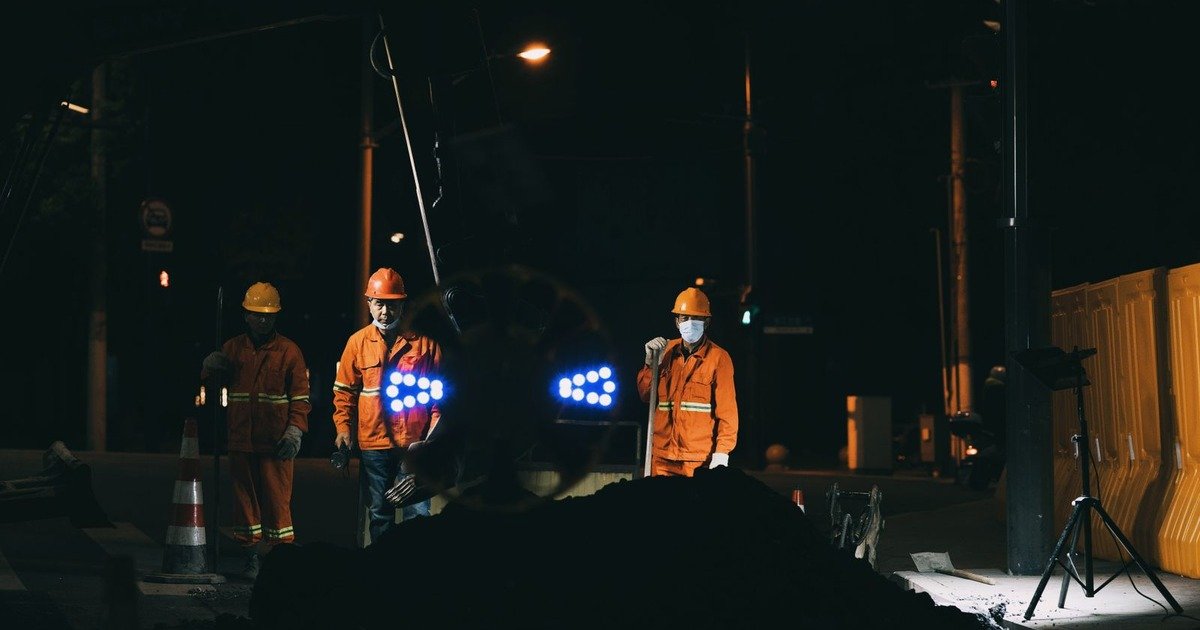
Before placing any order for traffic safety equipment, project teams should conduct a thorough site assessment. This process helps identify the specific hazards, traffic volumes, and environmental conditions that will influence product selection.
Key evaluation steps include the following:
- Identifying the road classification: urban street, arterial road, highway, or construction corridor.
- Reviewing local regulatory requirements from UAE road and transport authorities.
- Assessing environmental conditions such as heat exposure, wind load, and sand accumulation.
- Mapping pedestrian and vehicle conflict zones to prioritize high-risk areas.
- Planning for future maintenance access and serviceability of installed equipment.
This structured approach prevents over-purchasing, ensures compliance, and supports more accurate project budgeting. It also reduces the risk of selecting equipment that is either underspecified for the hazard level or oversized for a low-risk zone.
Working with a UAE-Based Traffic Safety Solutions Provider
Sourcing traffic safety solutionsfrom a local UAE manufacturer offers several practical advantages over importing from international suppliers. Lead times are shorter, product specifications can be tailored to regional standards, and project teams have direct access to technical support.
Revive Middle East provides end-to-end services that cover manufacturing, supply, installation, and after-service maintenance. This integrated approach is especially valuable for large-scale government and infrastructure projects where coordination between multiple product categories is required. When your road gantries, guard rails, traffic signs, and road furniture all come from a single trusted supplier, project delivery becomes more streamlined and accountable.
According to the Transportation Research Board, consistent standards in traffic control device selection and installation are directly linked to improved road safety outcomes, underlining why supplier expertise matters beyond just product quality.
Common Mistakes to Avoid When Selecting Traffic Safety Equipment
Even experienced project managers can make avoidable errors during the equipment selection process. Understanding these common mistakes helps teams make better procurement decisions.
- Choosing price over performance:Low-cost products that fail quickly create additional replacement costs and project delays.
- Ignoring site-specific conditions: Equipment rated for mild climates may not perform in UAE heat and desert conditions.
- Skipping proper installation: Even the best traffic safety equipment underperforms when incorrectly installed.
- Overlooking maintenance planning: Products with no clear servicing plan deteriorate faster and require premature replacement.
- Purchasing in isolation: Road safety systems work as a whole. Signs, markings, barriers, and lighting must be coordinated.
Conclusion
Choosing the right traffic safety equipmentfor your project requires more than browsing a product catalog. It demands a clear understanding of site conditions, regulatory compliance, product performance standards, and long-term serviceability. From traffic signs and guard rails to road markings and street lighting, every component contributes to a safer road environment for drivers, workers, and pedestrians. Revive Middle East offers the full range of traffic safety solutionsthat UAE infrastructure projects depend on, backed by local manufacturing expertise and professional installation support. Contact the Revive Middle East team to discuss your project requirements and receive tailored product guidance.
FAQ
Q1: What is the most important traffic safety equipment for highway projects?
For highway projects, guard rails, retroreflective traffic signs, and high-visibility road markings are among the most critical. These products work together to guide drivers, define boundaries, and reduce vehicle departure risks on high-speed corridors where accident consequences are most severe.
Q2: How do I choose the right road markings for a UAE road project?
Select thermoplastic road markings with embedded retroreflective glass beads for UAE conditions. These materials resist high temperatures and heavy traffic wear better than standard paint. Always verify that your marking material meets the specifications set by the relevant UAE roads authority before proceeding with installation.
Q3: What factors affect the selection of traffic signs for construction zones?
Key factors include retroreflectivity class, sign size based on road speed, mounting height, and material resistance to UV and heat. Construction zone signs also need to be easily repositioned as site conditions change, so lightweight aluminum substrates with portable mounting solutions are often recommended for active project corridors.
Q4: Are guard rails required for all road types in the UAE?
Guard rail requirements depend on road classification, adjacent hazard type, and design speed. Highways, elevated roads, and roads adjacent to water bodies or steep embankments typically mandate barrier systems. Urban local streets may require only kerb-level protection. Always consult applicable UAE road design standards when planning barrier placement.
Q5: What is road furniture and why does it matter for traffic safety?
Road furniture refers to physical infrastructure elements like bollards, delineators, and pedestrian barriers that manage vehicle and pedestrian movement. These elements define safe zones, prevent unauthorized vehicle access, and reduce conflict between road users, contributing directly to organized and safer traffic flow in urban and commercial areas.
Q6: How long does traffic safety equipment typically last in UAE conditions?
Lifespan varies by product type and material quality. Steel guard rails treated for corrosion resistance can last over 15 years. Thermoplastic road markings typically last three to five years under heavy traffic. Traffic signs with quality retroreflective sheeting generally remain effective for seven to ten years when properly maintained and cleaned regularly.
Q7: Can traffic safety solutions be customized for specific project requirements?
Yes. Many manufacturers offer custom dimensions, bilingual text for Arabic and English signage, specific RAL color codes for road furniture, and tailored post configurations for guard rails. Working with a UAE-based supplier makes customization more practical, as technical teams can review site drawings and advise on the most suitable product specifications.
Q8: What role do streetlamp poles play in traffic safety?
Streetlamp poles provide the lighting infrastructure that improves driver and pedestrian visibility during nighttime hours. Proper pole height, spacing, and luminaire selection directly affect how well road users can see lane markings, signs, and hazards ahead. Inadequate road lighting is a known contributing factor in nighttime accident statistics across many urban environments.
Q9: How should traffic safety equipment be maintained after installation?
Routine maintenance should include inspecting sign faces for damage and fading, checking guard rail post integrity and fastening, reapplying worn road markings, and cleaning reflective surfaces. Establishing a scheduled maintenance program with your supplier extends product lifespan and ensures safety standards remain consistently intact throughout the equipment service life.
Q10: Why is it better to source traffic safety solutions from a local UAE manufacturer?
Local manufacturers understand UAE climate conditions, regulatory standards, and logistical constraints. They offer faster lead times, easier project coordination, and direct technical support. Products are also more likely to be pre-tested for regional conditions like extreme heat and sandstorm exposure, reducing the risk of premature failure on active project sites.