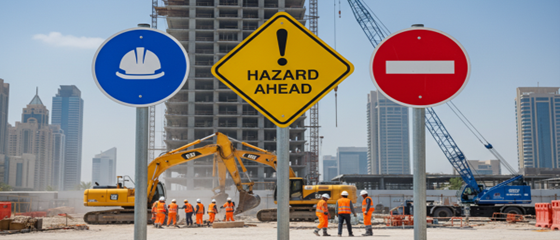
Construction site safety signage is one of the most critical tools for preventing accidents on active job sites. In the UAE, where large-scale infrastructure and building projects are constant, clear and compliant signage directly supports worker safety, public protection, and operational efficiency. This blog explores how the right safety signs reduce risk, what types of signage matter most, and how partnering with a trusted road safety company UAE can help project teams maintain safe, well-marked construction environments from start to finish.
Key Takeaways
- Construction site safety signage reduces accident risk by communicating hazards, restrictions, and safe routes clearly to workers and the public.
- A qualified road safety company UAE can supply and install compliant, durable signage suited to the demands of local construction environments.
- Proper signage categories include warning signs, mandatory instruction signs, prohibition signs, and traffic management signs that together form a complete site safety system.
- Regular maintenance and correct placement of safety signs are as important as the signs themselves in preventing incidents on construction sites.
Why Construction Site Safety Signage Matters
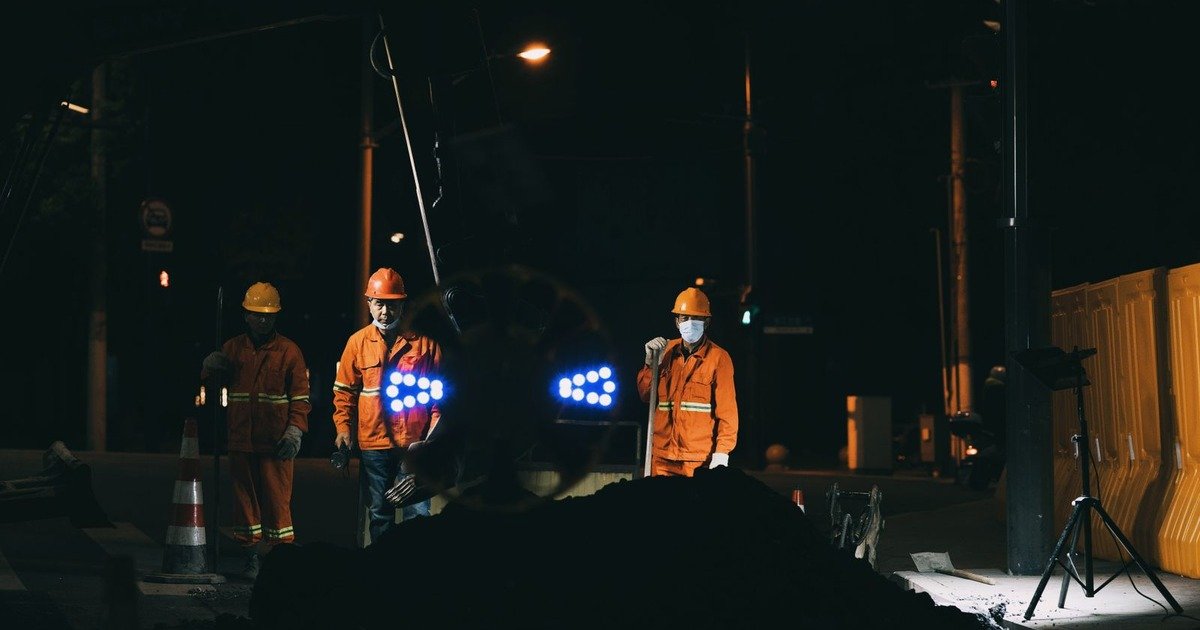
Construction sites are among the most hazardous work environments in any industry. Workers face risks from heavy machinery, falling objects, excavation zones, electrical hazards, and vehicle movement. Without clear visual communication, even experienced workers can miss critical warnings. Construction site safety signage acts as a constant, passive communication system that remains in place 24 hours a day, seven days a week, regardless of supervision levels or shift changes.
According to research from the International Labour Organization, construction accounts for a disproportionately high number of workplace fatalities globally. In the UAE, where construction activity is extensive and workforce diversity is high, multilingual and symbol-based signage becomes especially important. Signs that rely on universally recognized symbols help bridge language barriers and ensure every worker understands the hazards they face.
Beyond worker safety, construction signage protects the general public. Roads adjacent to active construction zones require clear direction to prevent pedestrian and driver confusion. This is where a professional road safety company UAE provides essential support, supplying traffic signs and road safety products designed for demanding construction environments.
Types of Safety Signs Used on Construction Sites
Not all construction signs serve the same purpose. A well-organized site uses several distinct categories of signage, each designed to communicate a specific type of message. Using the correct sign in the correct location is fundamental to an effective site safety plan.
- Warning Signs: Alert workers and visitors to potential hazards such as overhead work, deep excavations, or moving plant equipment. These are typically yellow or amber with black symbols.
- Prohibition Signs: Indicate actions that are not permitted in a specific area, such as no unauthorized entry or no smoking near fuel storage zones. These use red circular borders on a white background.
- Mandatory Signs: Communicate required actions, such as wearing hard hats, high-visibility vests, or safety boots. These typically appear as white symbols on a blue circular background.
- Safe Condition Signs: Direct workers toward emergency exits, first aid stations, and assembly points. These use white symbols on a green background for quick recognition.
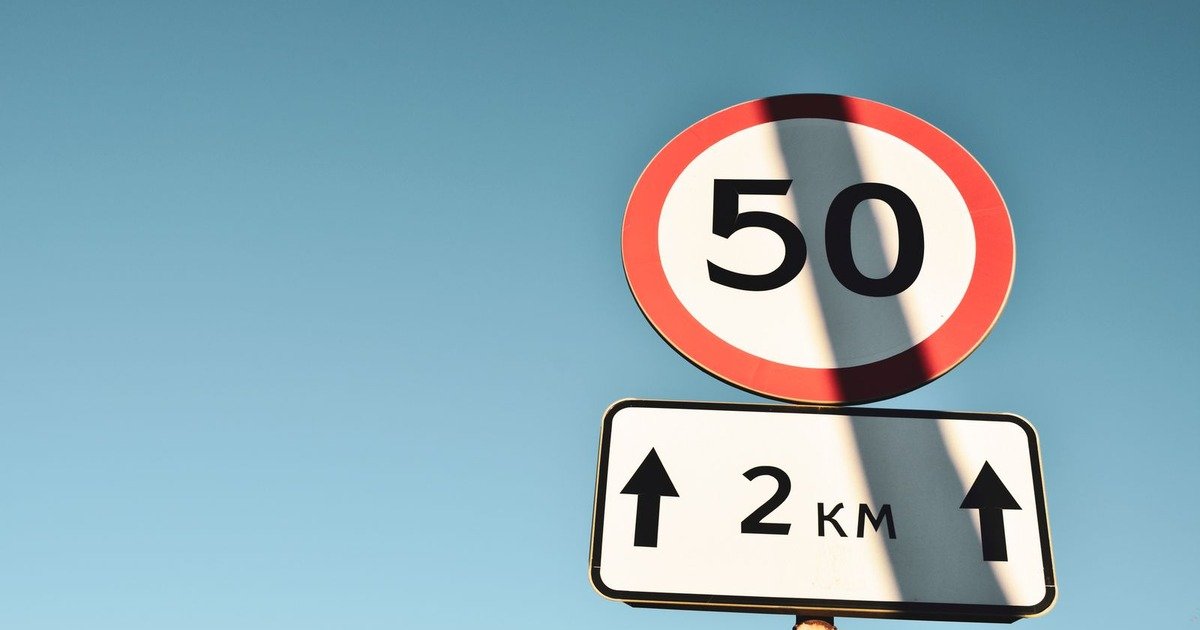
- Traffic Management Signs: Control the movement of vehicles and plant machinery around the site perimeter and internal access roads. These include speed limit signs, directional markers, and road closure notices.
Each of these sign types plays a specific role. When deployed together as a coordinated system, they create a communication network that actively guides behavior and reduces the likelihood of incidents. A reliable road safety company UAE understands how to specify the right combination of signs for each project phase and site layout.
How Proper Sign Placement Reduces Accident Risk
Even the most well-designed sign fails if it is placed incorrectly. Placement strategy is a core component of construction site safety signage effectiveness. Signs must be positioned at the point of decision, meaning where a worker or driver needs the information to make a safe choice, not after the hazard has already been passed.
Key placement principles include:
- Position warning signs well in advance of the hazard they describe, giving workers time to react appropriately.
- Place mandatory PPE signs at every entry point to the site so no worker can enter without seeing the requirement.
- Install traffic management signs at consistent heights and angles to maximize visibility for both pedestrians and vehicle operators.
- Ensure signs are not obscured by equipment, temporary structures, or accumulated debris during active construction phases.
- Use reflective materials or illuminated signs in areas with low-light conditions, such as tunnel work zones or nighttime construction.
Incorrect placement is one of the most common reasons safety signage fails to prevent accidents. Regular site audits should include a review of sign positioning to confirm that all messages remain visible, legible, and relevant to current site conditions. As construction progresses and site layouts change, signage must be updated and repositioned accordingly.
The Role of Traffic Management Signage Around Construction Zones
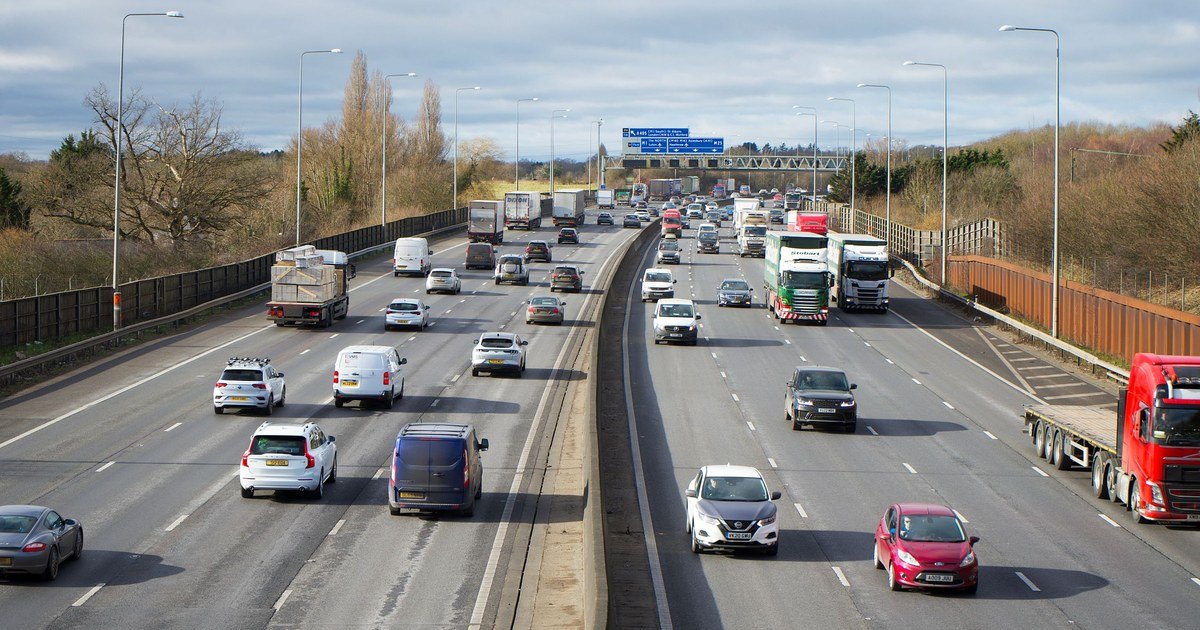
Construction projects in the UAE frequently involve road closures, lane diversions, and temporary traffic arrangements that affect public roads. Managing vehicle and pedestrian flow around these zones requires professional-grade traffic management infrastructure, not just temporary cones and tape.
Effective traffic management signage around construction zones includes advance warning signs that alert drivers to upcoming disruptions, lane closure indicators, speed reduction signs, pedestrian crossing guidance, and clear end-of-works markers. These signs must comply with UAE road authority standards to ensure legal operation and genuine safety outcomes.
Revive Middle East manufactures and supplies a comprehensive range of traffic signs and road safety products suited to exactly these requirements. From standard regulatory signs to custom fabricated solutions for complex project environments, the company supports infrastructure contractors and construction teams with products built for durability in UAE conditions including intense heat, dust, and high-traffic exposure.
Road gantries and guard rails also play a supporting role in traffic management around construction zones. Guard rails provide physical barriers that complement signage by actively preventing unauthorized access or vehicle encroachment into hazardous areas. When combined with clear signage, these physical barriers form a multi-layered safety system that reduces accident risk more effectively than signage alone.
Maintenance and Compliance of Construction Site Signs
Installing safety signage is not a one-time action. Signs must be maintained throughout the life of a construction project to remain effective. Faded text, damaged panels, missing symbols, or obscured messages reduce the functional value of any sign, regardless of how well it was originally specified and positioned.
Routine sign maintenance on construction sites should include:
- Weekly visual inspections to identify damaged, faded, or missing signs.
- Immediate replacement of any sign that has been damaged by machinery, weather, or vandalism.
- Cleaning of sign faces to remove dust, mud, or paint overspray that reduces visibility.
- Review of sign content relevance as the project progresses and site conditions change.
- Documentation of signage audits as part of the site safety management record.
Compliance is an equally important dimension. In the UAE, road and construction authorities set standards for sign design, materials, and placement. Using non-compliant signage can expose project managers and contractors to regulatory penalties and, more critically, can undermine the safety outcomes that good signage is meant to achieve. Working with an established road safety company UAE helps ensure that all products meet current local standards and specifications.
Conclusion
Construction site safety signage is not a regulatory formality. It is a practical, life-saving investment that reduces accident risk, protects workers and the public, and supports smooth project operations across every phase of construction. From warning signs and mandatory PPE notices to full traffic management systems around active road works, the right signage communicates clearly where supervision cannot be constant. Revive Middle East supports construction teams and infrastructure contractors across the UAE with durable, compliant traffic management and road safety products designed for real-world project demands. Explore our full range of solutions at Revive Middle East road safety products and discover how our signage expertise can help protect your next construction project.
FAQ
Q1: What is construction site safety signage?
Construction site safety signage refers to visual signs placed on active job sites to communicate hazards, mandatory requirements, prohibited actions, and safe routes to workers, contractors, and the public to reduce accident risk.
Q2: Why is safety signage important on construction sites in the UAE?
The UAE has extensive construction activity and a highly diverse workforce. Clear, symbol-based construction site safety signage bridges language barriers and ensures all workers understand site hazards, making it essential for safe operations.
Q3: What types of signs are required on a construction site?
Construction sites typically require warning signs, prohibition signs, mandatory instruction signs, safe condition signs, and traffic management signs. Each type communicates a distinct safety message to workers and visitors on site.
Q4: How does a road safety company UAE help with construction signage?
A qualified road safety company UAE like Revive Middle East manufactures and supplies compliant, durable traffic and safety signs suited to construction environments, helping project teams meet local regulatory standards efficiently.
Q5: Where should warning signs be placed on a construction site?
Warning signs should be positioned well in advance of the hazard they describe, at every site entry point, and at any location where workers or drivers need information to make a safe decision before encountering a dangerous area.
Q6: How often should construction site signs be inspected?
Safety signs on construction sites should be visually inspected at least once per week. Any damaged, faded, or obscured signs should be replaced immediately to maintain clear communication and ensure continuous site safety compliance.
Q7: What materials are used for durable construction safety signs in the UAE?
Durable construction safety signs in the UAE are typically made from aluminum or high-grade plastics with reflective sheeting. These materials withstand intense heat, UV exposure, dust, and the physical demands of active construction environments.
Q8: Do construction traffic management signs need to comply with UAE regulations?
Yes. Traffic management signs around UAE construction zones must comply with standards set by local road and transport authorities. Non-compliant signage can result in regulatory penalties and may compromise the safety outcomes the signs are intended to achieve.
Q9: What is the difference between warning signs and prohibition signs on a site?
Warning signs alert workers to potential hazards nearby, while prohibition signs indicate actions that are not permitted in a specific area. Both are essential components of a complete construction site safety signage system.
Q10: Can construction site signage help protect the general public near job sites?
Absolutely. Traffic management signs, pedestrian guidance markers, and advance warning signs placed on public roads near construction zones protect drivers and pedestrians by clearly communicating site boundaries, speed restrictions, and safe passage routes.