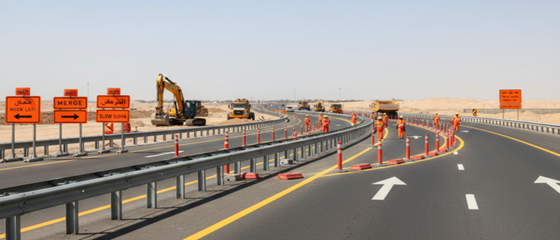
Construction zones are among the most hazardous environments on any road network. Without proper temporary road safety solutions, both workers and passing motorists face serious risks. In the UAE, where infrastructure development moves at a rapid pace, having a reliable safety setup is not optional. It is a professional and regulatory requirement. This blog walks you through the most effective temporary safety measures used in active construction zones, helping project managers and contractors make informed decisions.
Key Takeaways
- Temporary road safety solutions such as traffic signs, guard rails, road markings, and road furniture work together to protect workers and road users in active UAE construction zones.
- Working with a qualified road safety contractor UAE ensures all installations meet local regulatory standards, from initial planning through ongoing maintenance.
- Proper planning, phased installation, and regular equipment maintenance are the three pillars of effective construction zone traffic management.
Why Temporary Road Safety Solutions Matter in Construction Zones
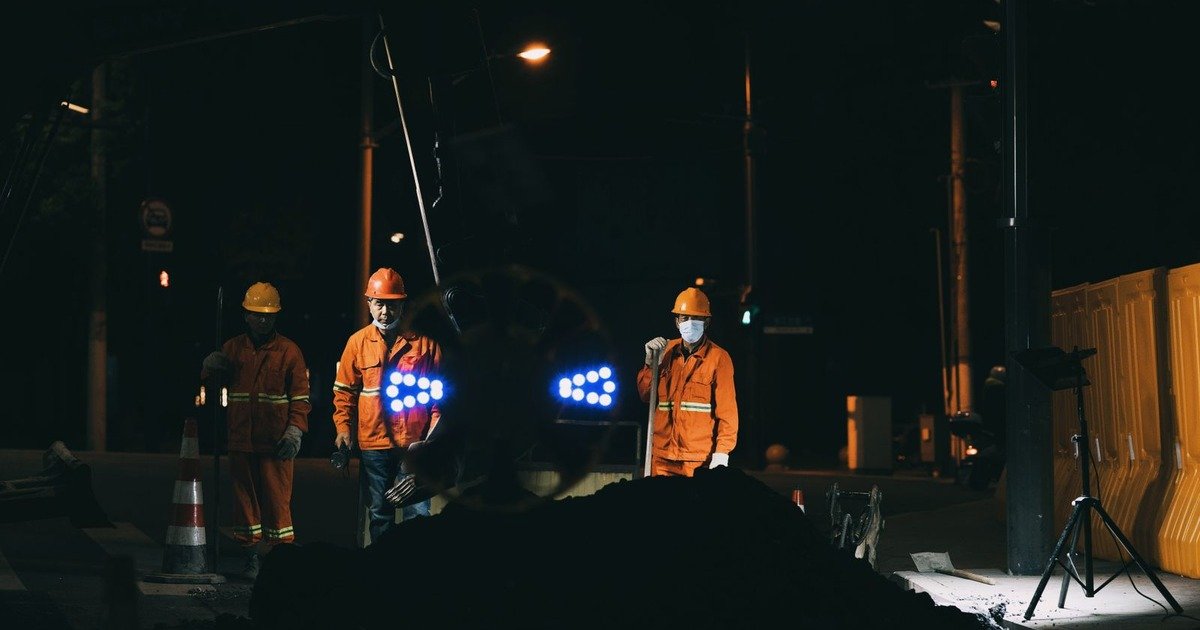
Construction zones introduce unpredictable traffic patterns, reduced lane widths, and sudden changes in road layout. These conditions increase the likelihood of accidents if safety measures are not in place. Temporary road safety solutions serve as the frontline defense for workers on site and drivers navigating through the zone. According to road safety research published by the World Health Organization, road traffic injuries are a leading cause of death globally, making structured safety setups critical in high-activity zones like construction sites.
In the UAE, municipalities and road authorities enforce strict guidelines on traffic management during construction. Compliance with these standards is not just about avoiding penalties. It reflects a genuine commitment to public safety and professional project delivery. A well-designed temporary safety layout reduces confusion for drivers, keeps workers protected behind physical barriers, and ensures the project moves forward without disruption.
Essential Products Used in Temporary Traffic Management
A well-structured construction zone relies on a combination of products that each serve a distinct safety function. The right mix of equipment ensures clear communication, physical protection, and efficient traffic flow throughout the project duration.
Traffic Signs for Construction Zones
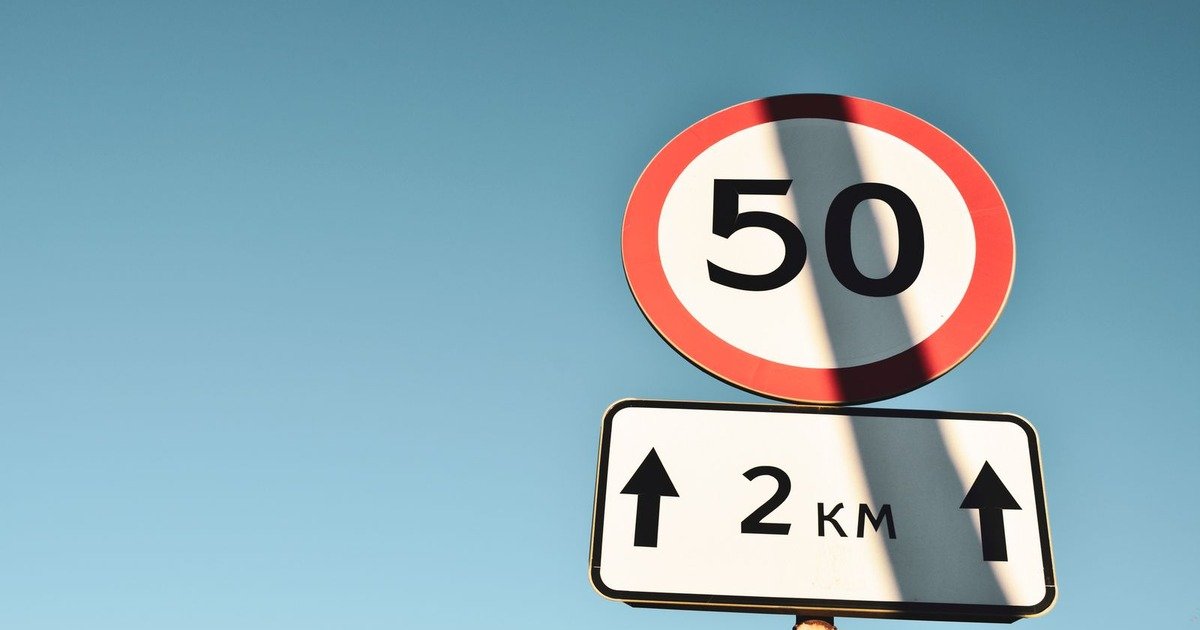
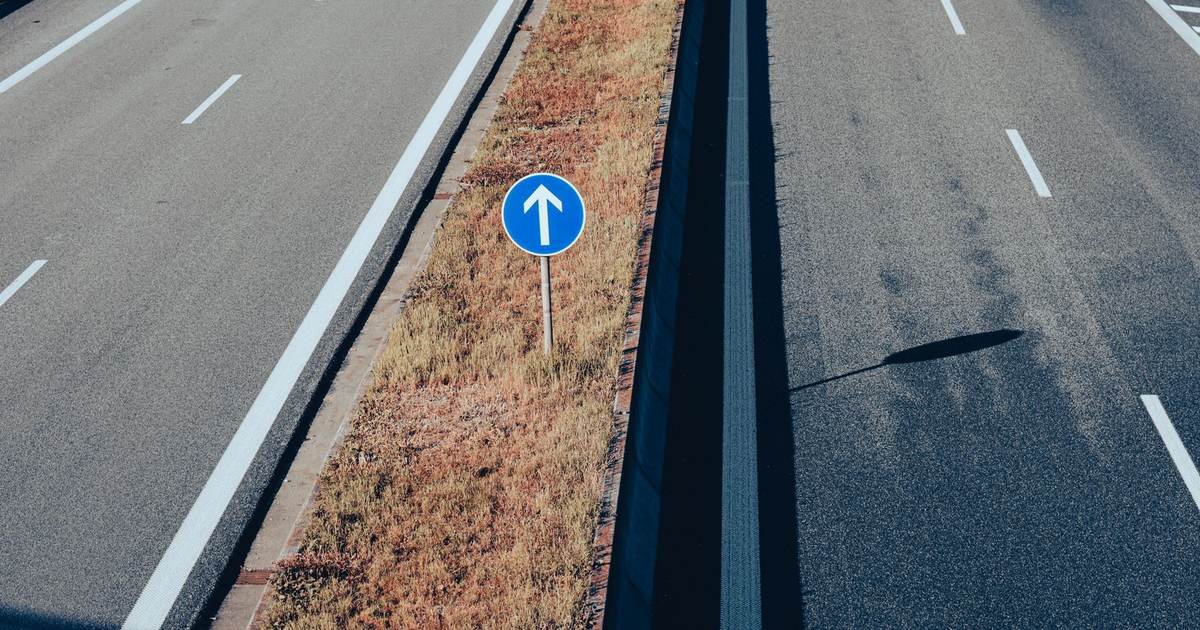
Clear and visible traffic signs are the first line of communication between the construction site and road users. Warning signs alert drivers of upcoming hazards, speed limit changes, and lane diversions well in advance. In a construction zone, signs must be mounted at appropriate heights, face the direction of oncoming traffic, and use reflective materials for visibility at night. Custom signage can also be produced to address specific site conditions, such as oversized vehicle routes or temporary access points. Working with a manufacturer that understands UAE road standards ensures that every sign meets regulatory specifications.
Guard Rails and Physical Barriers
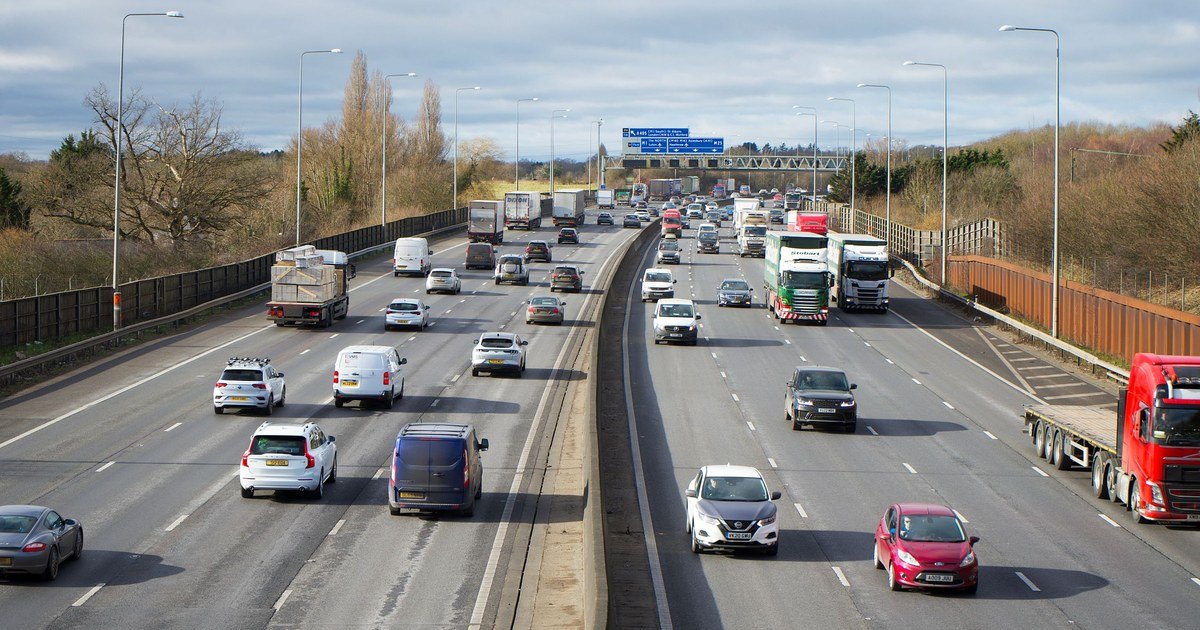
Guard rails are among the most critical components of any temporary safety setup. They physically separate live traffic from active work areas, preventing vehicle intrusions that could endanger workers or heavy equipment operators. In construction zones along highways or busy urban roads, guard rails absorb impact energy and redirect errant vehicles away from the work zone. The design, material, and placement of guard rails must align with the speed limits and traffic volume of the road. Properly installed guard rails also signal to drivers that the road geometry has changed, prompting reduced speeds and increased caution.
Road Markings for Temporary Lane Guidance
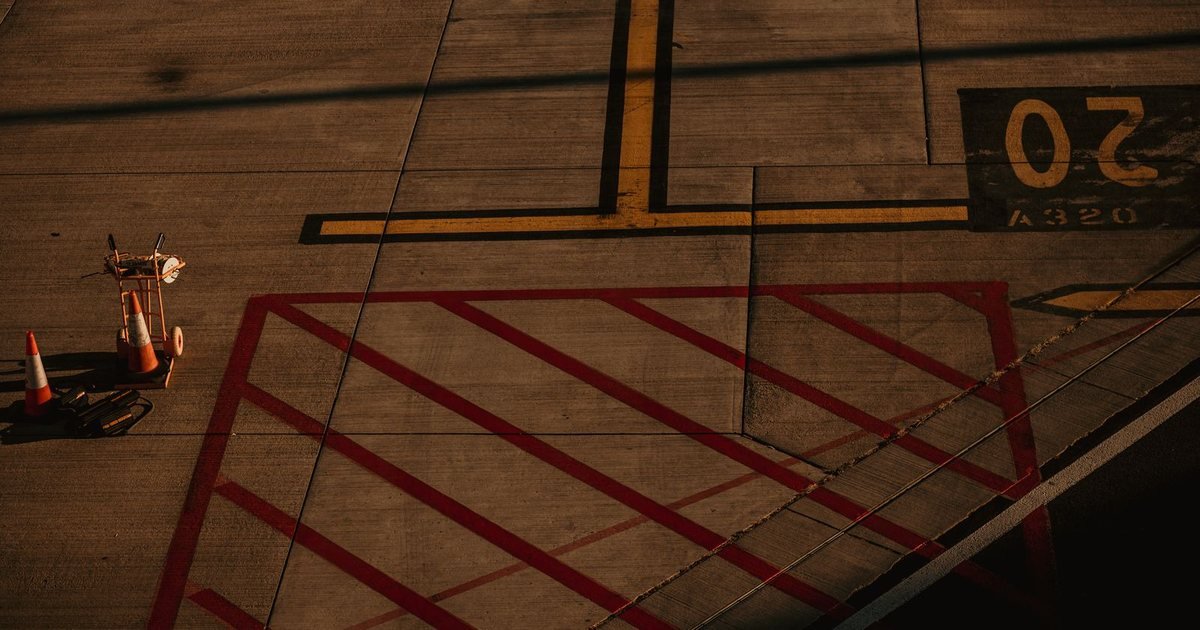
Temporary road markings play a vital role in guiding traffic through altered road layouts during construction. These include lane dividers, directional arrows, stop lines, and crosswalk markings that are applied using materials suitable for short-term use. Unlike permanent road markings, temporary versions must balance durability with removability. They should remain visible under heavy traffic and adverse weather conditions but also be removable once the construction phase is complete. A professional road safety contractor UAE will assess the surface condition and traffic load before recommending the appropriate marking system for each project phase.
Road Furniture for Site Organization
Road furniture encompasses a wide range of items including delineators, channelizing devices, safety cones, and portable bollards. These elements structure the flow of traffic within and around the construction zone. They guide drivers along approved paths, mark restricted areas, and visually communicate the boundaries of the work site. Road furniture is especially useful during phased construction projects where the active work area shifts over time. Using consistent, high-visibility road furniture throughout the project helps establish a predictable and organized traffic pattern that reduces driver confusion and the risk of incidents.
Planning a Temporary Safety Layout for Construction Projects
Effective temporary road safety does not happen by chance. It requires detailed planning that accounts for road type, traffic volume, project duration, and the nature of the construction activity. A well-prepared traffic management plan outlines the placement of every sign, barrier, and marking before work begins on site.
The planning phase should involve collaboration between the project manager, the construction team, and a qualified road safety contractor UAE. This collaboration ensures that the safety layout is practical, compliant, and adapted to the real conditions of the site. Phased plans are recommended for long-duration projects, as they allow the safety setup to evolve as the construction footprint changes. Regular site reviews should be scheduled to inspect equipment condition and adjust placements as needed.
In the UAE, road and transport authorities may require formal approval of traffic management plans before construction begins on public roads. Ensuring that all documentation is prepared and all products meet the required standards is essential for obtaining the necessary permits and avoiding project delays.
Maintenance and Monitoring of Temporary Safety Equipment
Installing safety equipment is only the first step. Ongoing maintenance is equally important to ensure that all products remain effective throughout the construction period. Signs can become obscured by dust, a common challenge in UAE environments. Guard rails can sustain impact damage from vehicles. Road markings can fade under heavy traffic. Each of these issues, if left unaddressed, reduces the overall safety of the construction zone.
A proactive maintenance schedule should include daily visual inspections, cleaning of reflective sign surfaces, replacement of damaged or missing components, and re-application of worn road markings. Partnering with a supplier that also offers after-service support means that replacements and repairs can be handled quickly without disrupting the project timeline. Consistent monitoring also provides documentation that can be valuable in the event of an incident investigation.
Choosing the Right Road Safety Partner in the UAE
Selecting the right supplier and installer for temporary safety products can make a significant difference in both the quality and compliance of your construction zone setup. A reputable road safety contractor UAE will bring deep knowledge of local regulations, access to a full range of certified products, and the technical capability to execute large-scale installations efficiently.
Look for a partner that offers end-to-end support, from initial planning and product supply through to installation, inspection, and maintenance. Revive Middle East provides manufacturing, supply, and installation of traffic management products across the UAE, supporting both public infrastructure projects and private construction developments. Their product range covers traffic signs, guard rails, road markings, road furniture, streetlamp poles, road gantries, and aluminum railings, addressing every element needed for a comprehensive temporary safety setup. To discuss your specific project requirements and request a consultation, visit the Revive Middle East contact page.
Conclusion
Temporary road safety solutions are a non-negotiable part of responsible construction project management in the UAE. From traffic signs and guard rails to road markings and road furniture, every element contributes to a safer environment for workers and road users alike. Proper planning, quality products, and consistent maintenance are the pillars of an effective construction zone safety setup. By partnering with a trusted road safety contractor UAE, construction teams can ensure that their sites meet the highest safety and compliance standards.
FAQ
Q1: What are temporary road safety solutions used for in construction zones?
Temporary road safety solutions protect workers and drivers in active construction zones. They include traffic signs, guard rails, road markings, and road furniture that guide traffic, mark boundaries, and physically separate live traffic from work areas.
Q2: Why is a traffic management plan important before construction begins?
A traffic management plan outlines the placement of all safety equipment before work starts. In the UAE, road authorities may require formal approval of such plans. Proper planning prevents project delays, ensures compliance, and reduces accident risk on active construction roads.
Q3: What types of traffic signs are used in construction zones?
Construction zones use warning signs, speed limit signs, lane diversion signs, and custom directional signs. These signs must use reflective materials for night visibility and be mounted correctly to meet UAE road safety regulations and effectively communicate hazards to approaching drivers.
Q4: How do guard rails improve safety in construction zones?
Guard rails physically separate moving traffic from active work areas. They absorb vehicle impact energy and redirect errant vehicles away from workers and equipment. Proper placement based on road speed limits and traffic volume is essential for effective construction zone protection.
Q5: What is the difference between temporary and permanent road markings?
Temporary road markings are designed to guide traffic during construction and are removable once work is complete. Permanent markings are applied for long-term use. Temporary versions must remain durable under traffic and weather conditions while still being removable without damaging the road surface.
Q6: How often should temporary safety equipment be inspected on a construction site?
Daily visual inspections are recommended for all temporary safety equipment. Checks should include cleaning reflective sign surfaces, inspecting guard rails for impact damage, and reviewing road marking visibility. Regular maintenance ensures all safety elements remain effective throughout the project duration.
Q7: What road furniture is typically used in UAE construction zones?
Common road furniture includes delineators, channelizing devices, portable bollards, and safety cones. These items structure traffic flow, mark restricted areas, and define work zone boundaries. Consistent, high-visibility road furniture reduces driver confusion and supports a safe and organized construction zone environment.
Q8: What should I look for when choosing a road safety contractor in the UAE?
Choose a road safety contractor that offers end-to-end support including planning, product supply, installation, and maintenance. Knowledge of UAE regulations, access to certified products, and experience with large-scale infrastructure projects are key qualities to prioritize. Explore the full range of solutions at the Revive Middle East website.
Q9: Can temporary road safety products be customized for specific project needs?
Yes, many temporary road safety products can be customized. Traffic signs can be produced with project-specific messaging, and road markings can be designed for unique site layouts. To discuss custom requirements, reach out via the Revive Middle East contact page for tailored solutions.
Q10: How does the UAE climate affect temporary road safety equipment?
The UAE’s heat, dust, and occasional rain can affect equipment performance. Dust can obscure reflective sign surfaces, and heat can accelerate wear on road markings. Regular maintenance and using climate-appropriate materials are essential to keep all temporary safety solutions functioning effectively throughout the project.