Traffic management in the UAE is a complex, high-stakes responsibility. From rapid urban expansion to heavy construction activity and extreme weather conditions, road authorities and infrastructure teams face a growing list of daily challenges. Getting traffic management right is not just about efficiency. It directly impacts lives. This blog explores the most common obstacles faced in the field and offers practical, proven approaches to overcome them. Whether you manage municipal roads or large-scale infrastructure projects, the insights here are built for you.
Key Takeaways
- Traffic management challenges in the UAE range from poor road marking visibility to inadequate signage and unsafe construction zones.
- Implementing durable materials, standardized systems, and structured maintenance programs are the foundation of effective traffic safety solutions.
- Proactive planning and the right infrastructure products reduce risk, minimize delays, and protect both workers and road users.
Why Traffic Management Remains a Persistent Challenge
The UAE’s infrastructure is growing at a remarkable pace. New highways, residential developments, industrial zones, and commercial corridors are constantly being built. This rapid development creates pressure on existing road networks and introduces new points of risk for drivers, pedestrians, and workers alike.
According to the World Health Organization’s Global Status Report on Road Safety, road traffic injuries remain among the leading causes of death globally, with inadequate infrastructure being a key contributing factor. In high-growth regions like the UAE, maintaining road safety standards is both a regulatory priority and a public safety imperative.
Poor traffic management does not happen overnight. It builds up through a combination of outdated signage, faded road markings, inadequate barriers, and uncoordinated construction zone setups. Understanding these challenges individually allows teams to address them with targeted solutions.
Challenge 1: Faded and Non-Compliant Road Markings
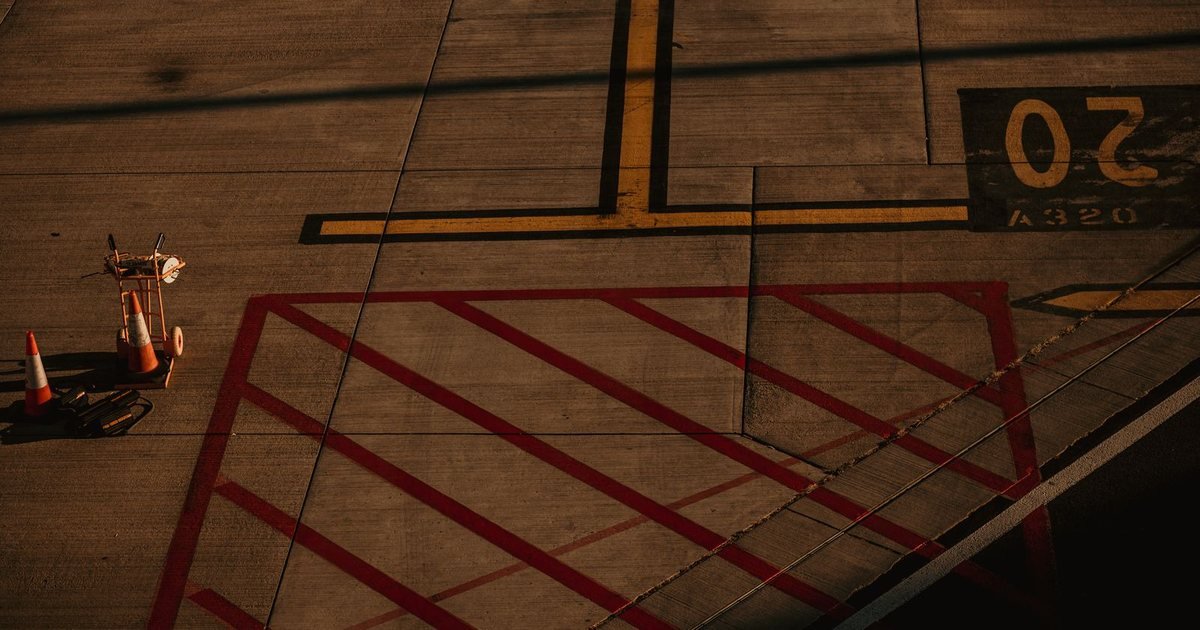
One of the most visible signs of failing traffic management infrastructure is faded or unclear road markings. In the UAE, intense heat and UV exposure accelerate the degradation of standard paint materials. When lane dividers, pedestrian crossings, and directional arrows become invisible, confusion and accidents follow.
The solution lies in using high-performance thermoplastic road marking materials that are specifically formulated for hot climates. These materials offer superior durability, reflectivity, and skid resistance compared to conventional paint. Regular inspection schedules and planned maintenance cycles ensure markings remain compliant with UAE road authority standards year-round. You can explore how professional road marking practices contribute to safer road environments across the region.
Investing in quality road markings from the start reduces the frequency of re-application, lowers long-term costs, and keeps roads safer for all users.
Challenge 2: Inadequate or Missing Traffic Signage
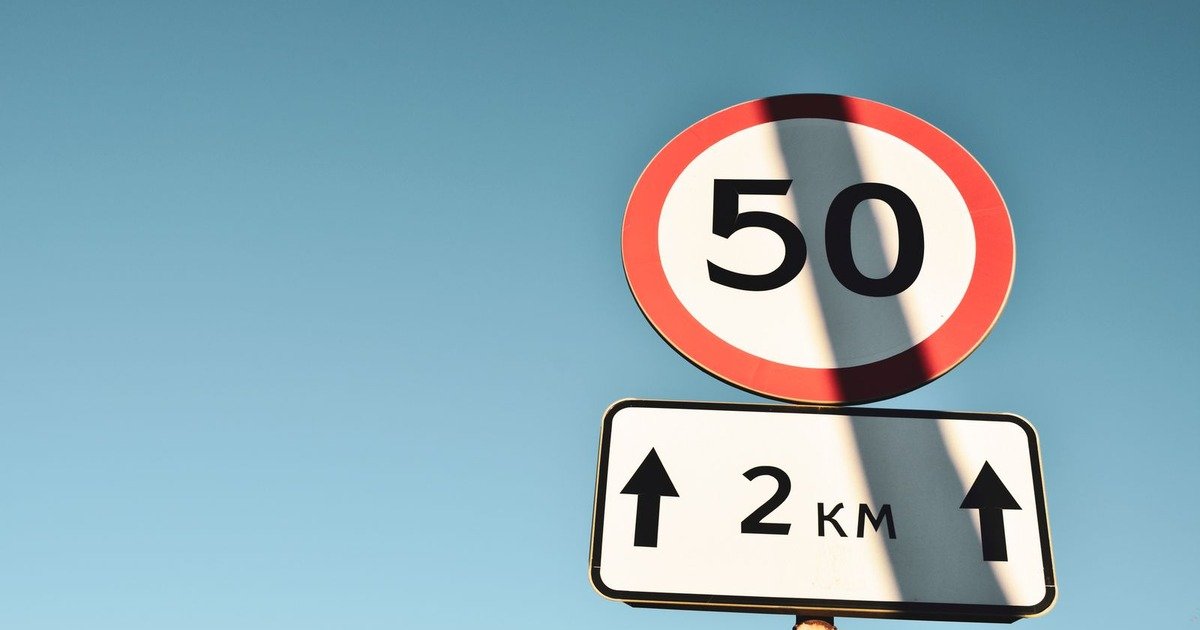
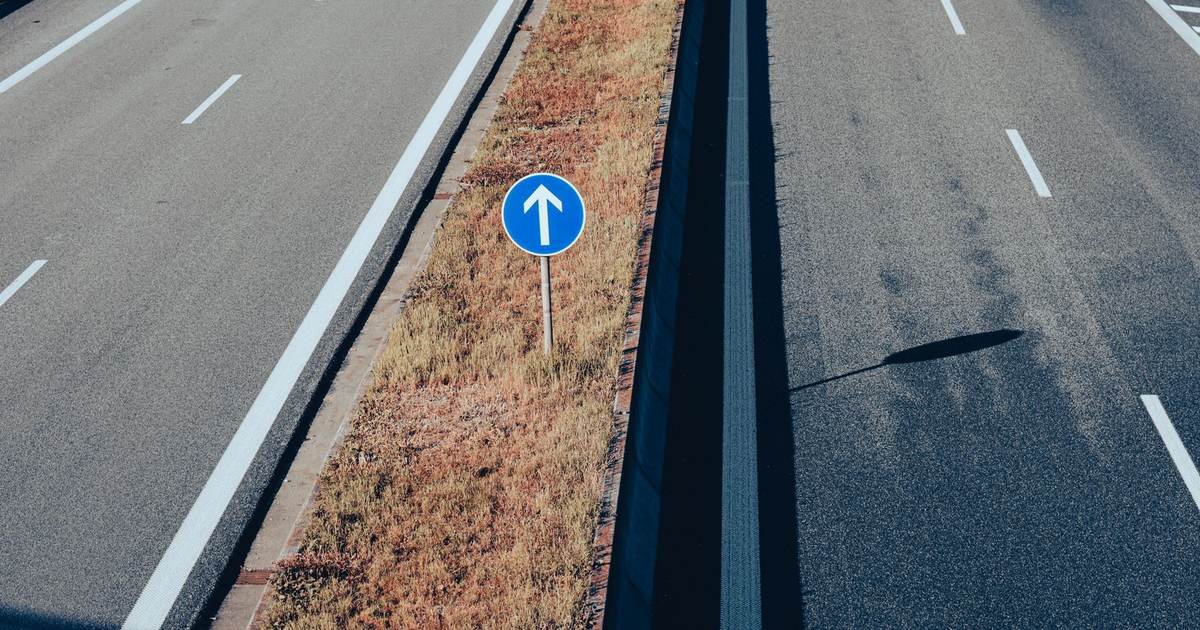
Traffic signs are the primary communication tool between road designers and drivers. When signs are missing, obscured by vegetation, poorly positioned, or non-reflective, they fail at their core purpose. This is especially critical at intersections, roundabouts, construction zones, and highway entry and exit points.
A professional traffic management company UAE can conduct full signage audits to identify gaps, replace outdated signs, and ensure all installations meet local regulatory standards. Custom signage solutions, including variable message signs and high-intensity reflective panels, improve visibility in low-light and nighttime conditions.
For large-scale projects, standardized signage systems that follow the UAE Ministry of Infrastructure Development specifications reduce confusion and improve driver compliance. Learn more about how structured road safety standards shape effective signage deployment across UAE infrastructure projects.
Challenge 3: Unsafe Construction Zone Management
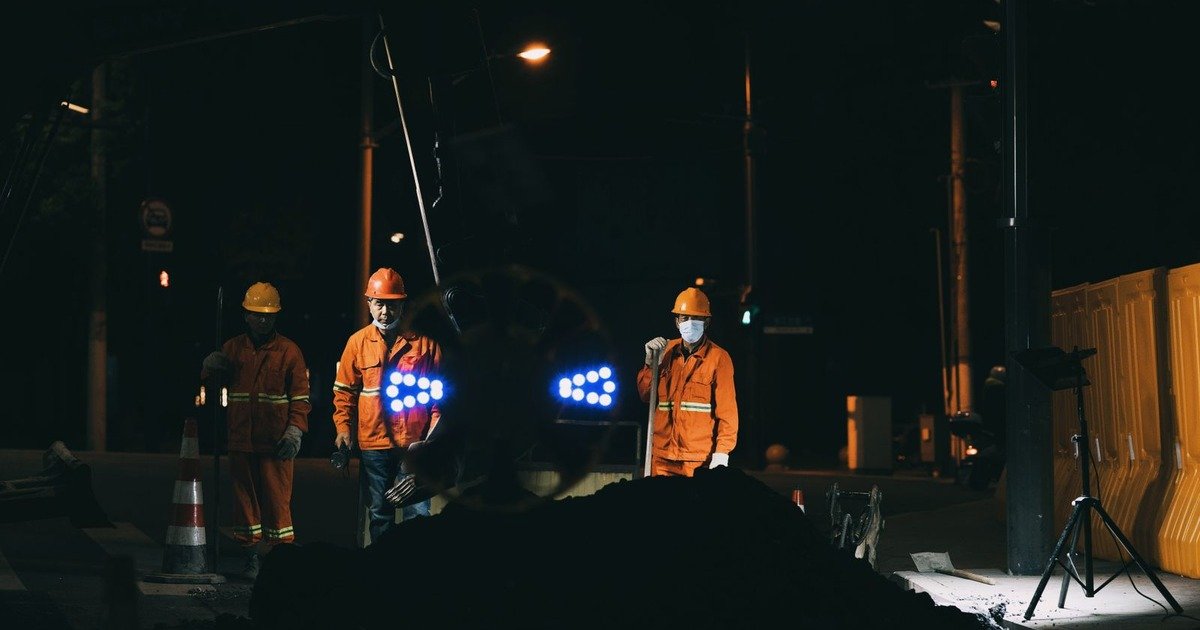
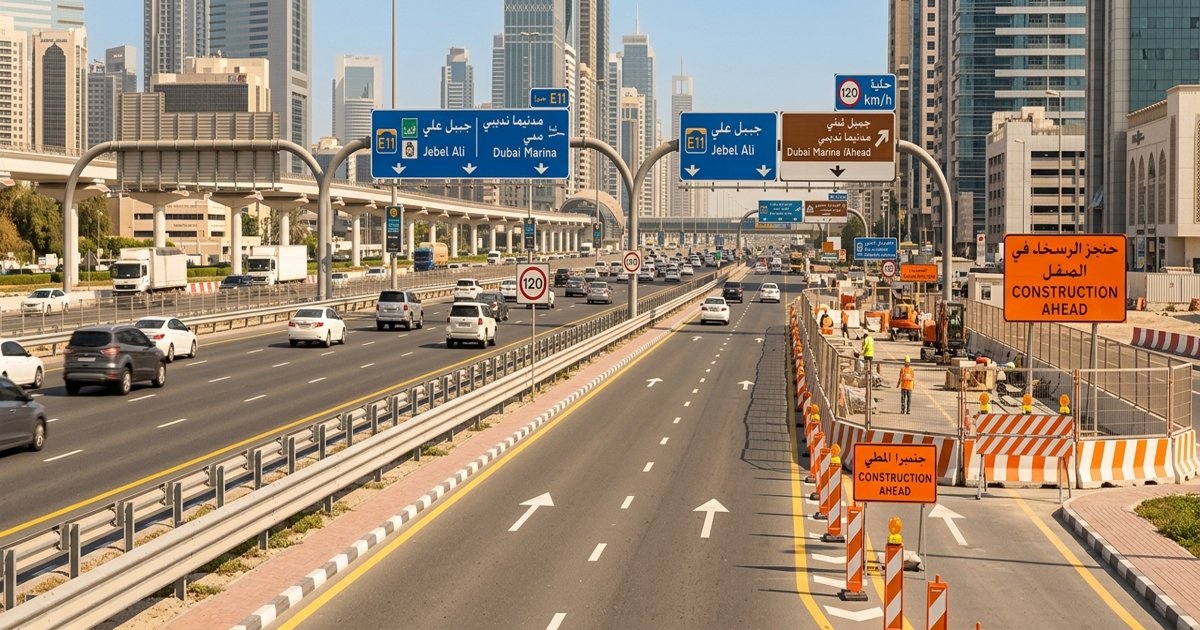
Construction zones are among the highest-risk environments in any road network. Temporary traffic diversions, reduced lane widths, sudden speed changes, and the presence of workers near live traffic create conditions where accidents can happen quickly. Poor planning or inadequate equipment in these zones puts both workers and drivers at serious risk.
Effective construction zone traffic management requires a combination of advance warning signs, delineators, water-filled barriers, guard rails, and clearly marked temporary lanes. Each element must be positioned according to approved traffic control plans that account for traffic volume, road type, and project duration.
Companies that specialize in traffic safety solutions understand these requirements at a practical level. They bring both the materials and the expertise needed to set up compliant, functional construction zone management systems. Explore the full range of traffic management services designed to support safe and compliant project execution.
Challenge 4: Lack of Coordinated Traffic Flow Planning
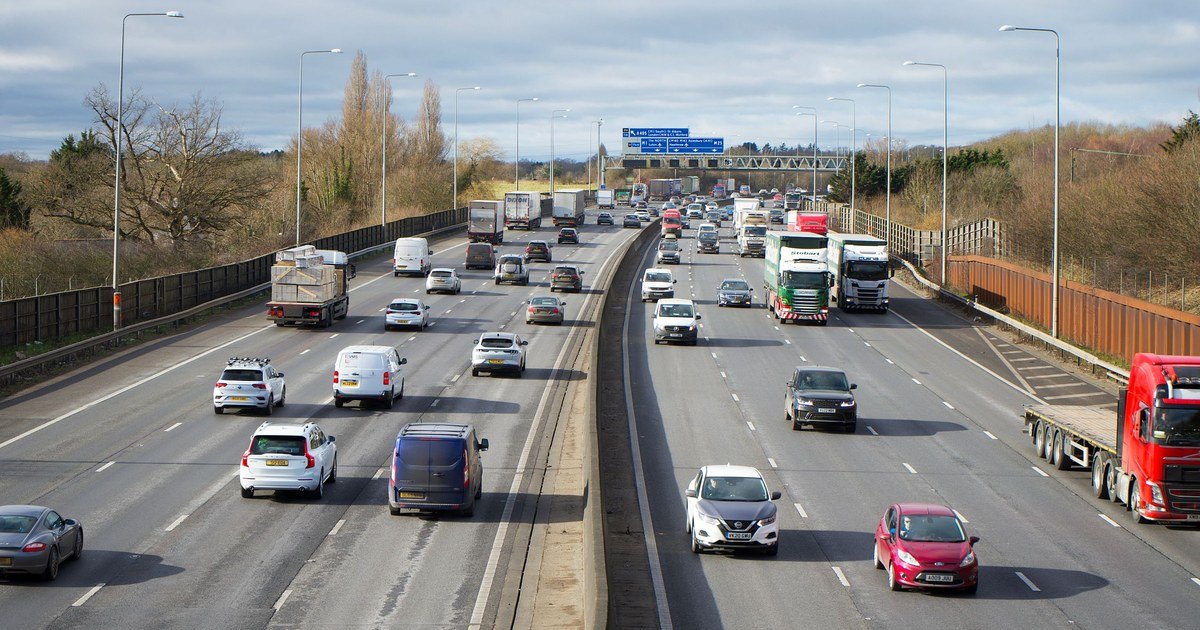
Urban road networks require careful coordination between multiple authorities, contractors, and service providers. When this coordination breaks down, the result is overlapping roadworks, bottlenecks, and dangerous merging patterns. This is a common challenge in rapidly developing areas where multiple projects run simultaneously.
Addressing this requires integrated planning from the design phase. Traffic impact assessments, simulation modeling, and coordination with municipalities during the project approval process all help reduce conflicts. A reliable traffic management company UAE will work alongside planning teams to design traffic flow solutions that minimize disruption and maintain safety throughout the project lifecycle.
Durable road furniture, including properly installed guard rails and directional gantries, plays a major role in channeling traffic efficiently through complex zones. These physical systems work in tandem with digital tools and signage to guide drivers safely and clearly.
Challenge 5: Maintenance Gaps and Reactive Rather Than Proactive Servicing
One of the most underestimated challenges in traffic management is the tendency to respond to failures rather than prevent them. Waiting for a road sign to fall, a barrier to corrode, or a road marking to disappear before taking action is a reactive strategy that increases safety risk and raises long-term costs.
Proactive maintenance programs involve scheduled inspections, condition assessments, and timely replacement of degraded components. This approach extends the lifespan of infrastructure, keeps roads compliant with regulatory requirements, and significantly reduces the likelihood of accidents caused by equipment failure.
Revive Middle East provides ongoing support and servicing for traffic management products to ensure that installations remain in peak condition throughout their operational life. Building a long-term relationship with a qualified supplier means having access to consistent quality, product knowledge, and rapid response when maintenance is needed. For a detailed overview of how these services are structured, visit the completed projects portfolio to see real-world applications of traffic infrastructure solutions across the UAE.
How the Right Partner Makes the Difference
Overcoming these challenges does not require reinventing the wheel. It requires the right combination of quality products, technical expertise, and a partner who understands the UAE regulatory environment. A qualified traffic management company UAE brings all three together in one place.
From thermoplastic road markings and aluminum signage to guard rails, gantries, and road furniture, having a single source for compliant, durable products simplifies procurement, ensures consistency, and reduces the risk of non-compliant installations. Traffic safety solutions work best when they are designed as a system rather than a collection of individual parts.
The relationship between quality road markings and traffic safety is well documented, and the same principle applies to every component in the traffic management ecosystem. Quality materials, professional installation, and proactive maintenance form the core of any effective road safety strategy.
Conclusion
Effective traffic management in the UAE demands more than basic compliance. It requires a forward-thinking approach that addresses faded road markings, inadequate signage, unsafe construction zones, poor flow planning, and reactive maintenance with structured, durable solutions. By identifying these common challenges and acting on them with the right expertise and materials, road authorities and project managers can build safer, more efficient road environments. Revive Middle East is ready to support your next infrastructure project with quality products and professional service. Contact our team to discuss your traffic safety solutions requirements today.
Frequently Asked Questions
What are the most common traffic management challenges in the UAE?
The most common challenges include faded road markings, missing or damaged traffic signs, unsafe construction zones, poor traffic flow coordination, and reactive maintenance. Each issue contributes to increased road risk. Addressing them with durable materials and structured processes improves safety and compliance significantly.
How does a traffic management company UAE help improve road safety?
A qualified traffic management company UAE provides compliant products, professional installation, and ongoing maintenance support. They understand local regulatory standards and help road authorities and contractors build safer, more efficient road environments. Their technical expertise reduces the risk of non-compliant or poorly installed traffic infrastructure.
What materials are best for road markings in hot climates like the UAE?
Thermoplastic road marking materials perform best in hot climates. They offer superior durability, UV resistance, and reflectivity compared to standard paint. These materials are designed to withstand the intense heat and sun exposure common in the UAE, extending the lifespan of road markings considerably.
Why do road markings fade so quickly in the UAE?
Road markings fade quickly due to high UV exposure, extreme heat, and heavy traffic volume. Standard paint degrades faster in these conditions. Using thermoplastic paint solutions specifically formulated for hot climates is the most effective way to extend marking lifespan and maintain road visibility.
What should be included in a construction zone traffic management plan?
A construction zone plan should include advance warning signs, delineators, water-filled barriers, guard rails, temporary lane markings, and speed regulation signage. Each element must follow approved traffic control specifications based on traffic volume, road type, and project duration to ensure worker and driver safety throughout the project.
How often should traffic signs be inspected and replaced?
Traffic signs should be inspected at least twice a year and after major weather events. Reflectivity, structural integrity, and positioning must all be assessed. Signs showing visible damage, fading, or non-compliance with current standards should be replaced promptly to ensure road users receive clear and accurate information.
What is the role of guard rails in traffic safety solutions?
Guard rails are a critical component of traffic safety solutions. They prevent vehicles from leaving the road, reduce the severity of collisions, and protect pedestrians and workers near live traffic. Properly installed guard rails along highways, bridges, and construction zones significantly reduce the risk of serious accidents.
How can traffic flow planning reduce congestion and accidents?
Effective traffic flow planning uses impact assessments and coordination between project teams and municipalities. This reduces overlapping roadworks and dangerous merging patterns. Structured planning combined with well-placed road gantries and directional signage helps guide drivers safely, as seen in many traffic management projects across the UAE.
How do delineators and water-filled barriers improve safety in active work zones?
Delineators and water-filled barriers create a clear physical separation between live traffic and active work zones. They absorb impact energy, redirect errant vehicles, and provide highly visible guidance for drivers. These products are essential for maintaining safe distances between workers and moving traffic during road construction or maintenance activities.
How does proactive maintenance differ from reactive maintenance in road infrastructure?
Proactive maintenance involves scheduled inspections and planned replacements before failures occur. Reactive maintenance waits for components to fail. Proactive programs reduce safety risks, extend infrastructure lifespan, and lower long-term costs. For context on how structured servicing works, Revive Middle East support services demonstrate ongoing maintenance best practices.