Road marking cost is the line item most often misread in a UAE tender. Two bidders can quote the same square metre rate and deliver work that differs in film thickness, bead type and service life by a factor of three. The rate on the page is a summary of decisions made elsewhere, and if those decisions are not written into the scope, the cheapest bid is simply the one that assumed the least. This guide breaks road marking cost into the parts a rate actually contains, so a quotation can be compared against another on equal terms.
Key Takeaways
- A square metre rate is meaningless without a stated film thickness, bead specification and a defined measurement rule for broken lines.
- Material is rarely more than half of a marking rate. Traffic control, mobilisation and night working frequently cost more than the paint itself.
- Removal, surface preparation and setting out are separate cost centres and belong in the bill as their own items.
What Sits Inside a Square Metre Rate
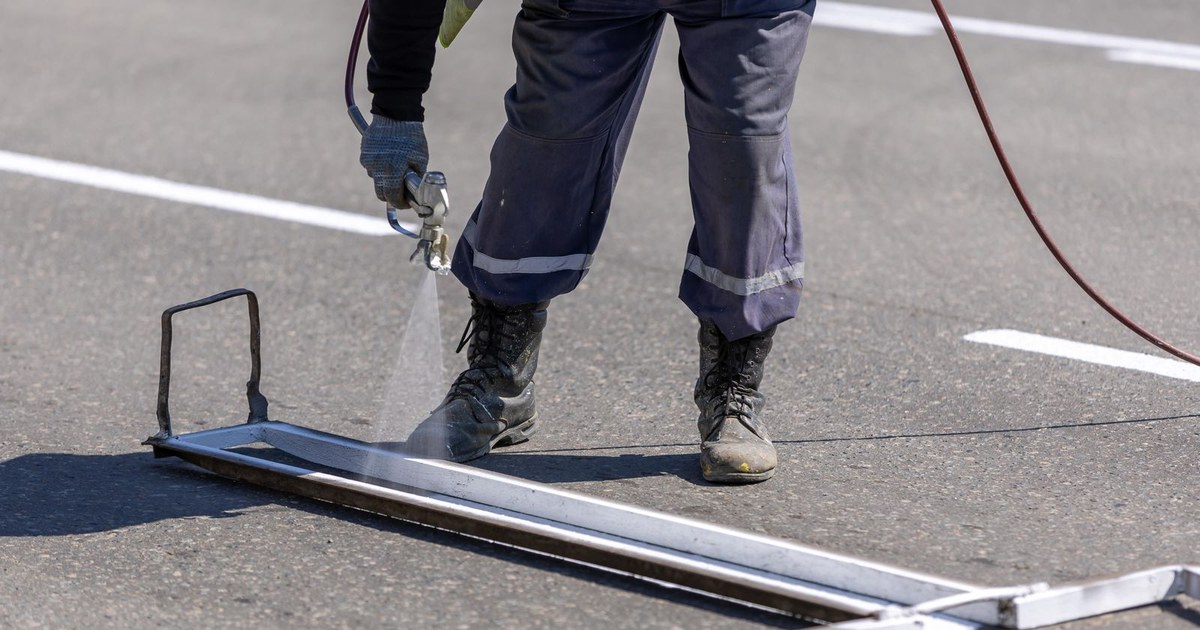
A road marking rate covers far more than material. A road surface marking item carries the delivered cost of the thermoplastic material or paint, the glass beads dropped onto it, the fuel and consumables burned by the kettle and applicator, the labour of a crew that typically runs four to six people, the transport of plant to site, and the supervision and quality records that follow the work. On a public road it also carries traffic control, and on many UAE schemes it carries the cost of working at night.
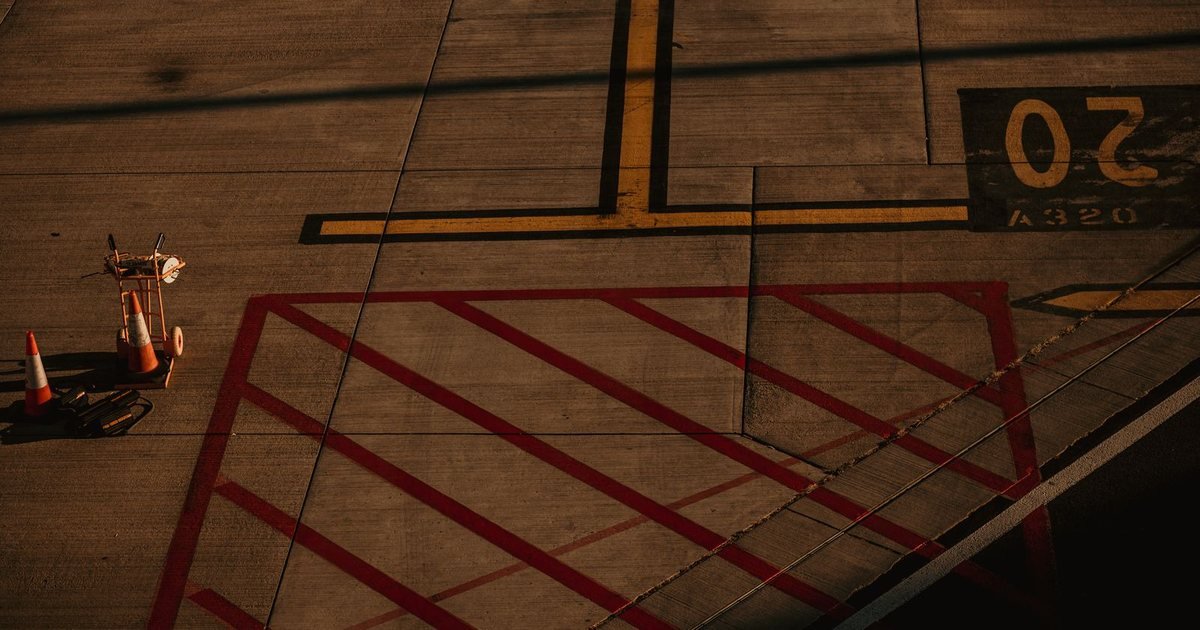
The proportions surprise people. On a straightforward highway relining contract with long uninterrupted runs, material can account for roughly half the rate. On a car park, a school frontage or a short urban stretch with heavy setting out and dozens of small symbols, material can fall below a quarter, because the crew spends most of its day measuring, masking and moving rather than laying.
This is why a single blended rate for a whole scheme hides more than it shows. A bill that prices longitudinal lines, transverse lines, symbols, hatching and legends separately will return bids that can actually be compared, because each contractor is pricing the same physical work.
The other half of the answer is that a rate is only as firm as the specification behind it. If the bill does not state applied thickness and bead type, the bidder is free to assume the thinnest and cheapest version that still looks correct on handover day.
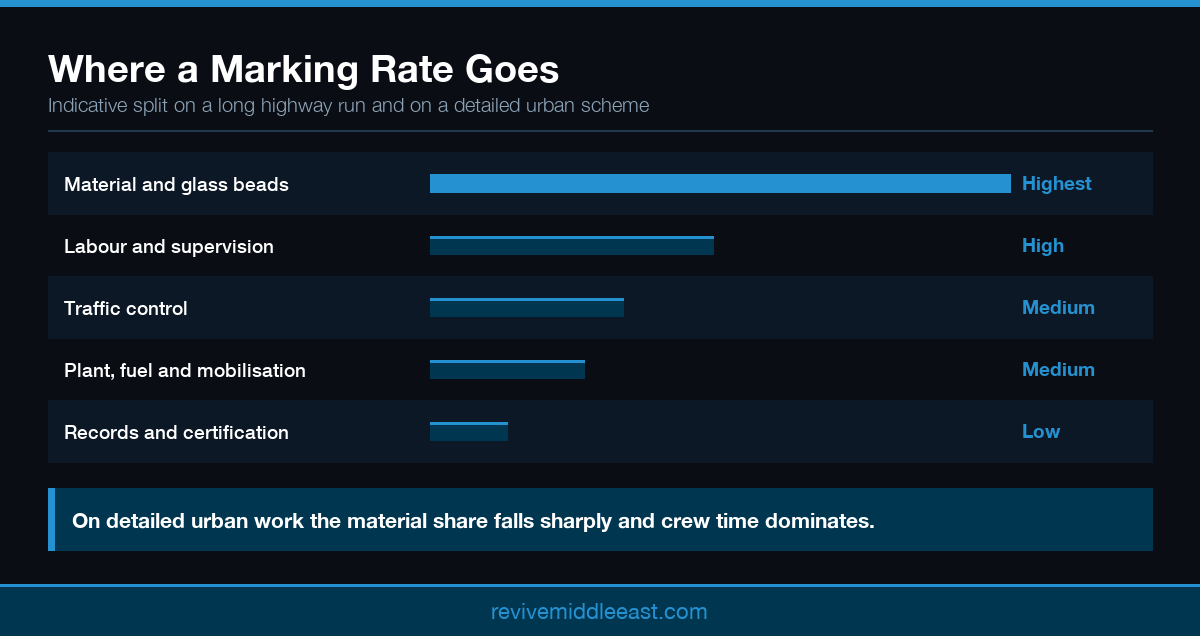
Where the money goes in a typical UAE road marking rate
Film Thickness Is the Biggest Single Cost Driver
Applied thickness decides how much material lands on each square metre, and material is bought by weight. A thermoplastic line laid at 3 mm consumes roughly half again as much material as the same line at 2 mm, and that difference flows straight into the rate. It is the easiest place for two quotations to diverge invisibly, because a 2 mm line and a 3 mm line look identical from a car on the day they are laid.
The difference shows up later. Thickness is what gives a marking its abrasion allowance and what keeps beads embedded as the surface wears. A line specified at 3 mm and delivered at 1.8 mm will hold its appearance for a season and then fade well inside the expected replacement cycle, which turns a saving on the first bill into a repeat cost on the second.
The remedy is simple and belongs in the bill rather than in the argument afterwards. State the applied thickness, state how it will be verified, and require thickness records by chainage. Wet film gauges during application and core or plate checks afterwards are both accepted practice, and neither adds meaningful cost when planned in advance. The performance classes in BS EN 1436 give a ready made language for stating what the finished line must achieve.
Bead specification behaves the same way. Drop on beads to a stated rate and refractive index cost real money per square metre, and a bidder who has assumed a lower drop rate will always look cheaper on paper. Understanding how glass beads and retroreflectivity work is what turns that from an invisible saving into a visible non compliance.
Traffic Control, Night Work and Access
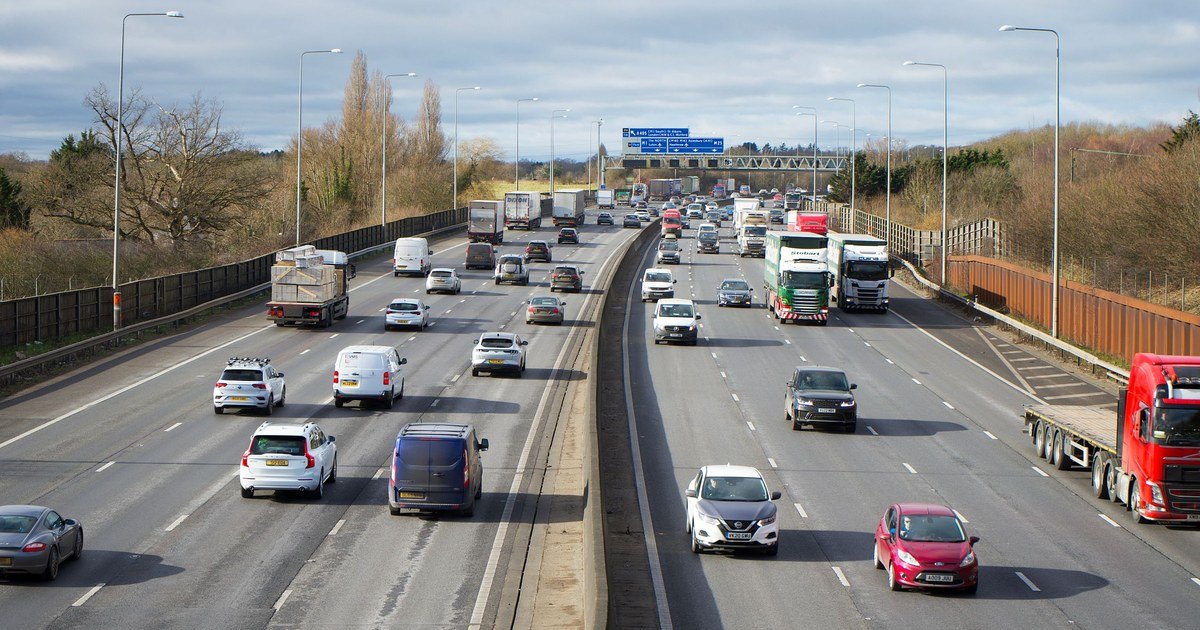
On any live carriageway, the cost of protecting the crew and the traffic is a real and often dominant part of the price. Cones, signs, arrow boards, lead and tail vehicles, and the personnel to set and strike the layout all sit inside the marking rate unless the bill prices temporary traffic management separately, which on larger schemes it should.
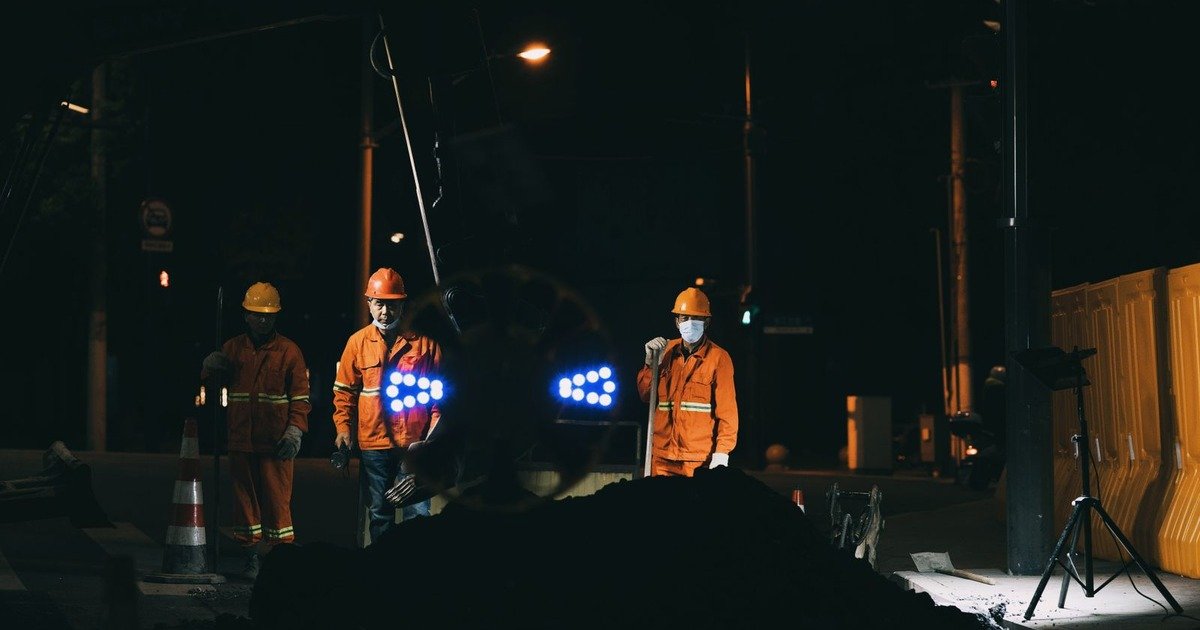
Night working carries a further premium. Most UAE marking on trafficked roads happens after dark, partly for traffic reasons and partly because surface temperature during the day can put application outside the acceptable window. Night work brings lighting, shift allowances, reduced productivity and a shorter usable window between the last closure and the first commuter, and all of it lands in the rate. Planning the sequence of night works and lane closures well is one of the few levers that genuinely reduces this cost.
Access matters just as much on private sites. A warehouse yard that must be marked around live forklift traffic, or a car park that can only be closed in sections over three weekends, will price higher per square metre than the same area cleared for a single continuous shift. Contractors are pricing crew days, not just paint.
None of this is padding. A bidder who has left traffic control out of the rate has not found an efficiency, they have found an omission, and it reappears as a variation once the works start.
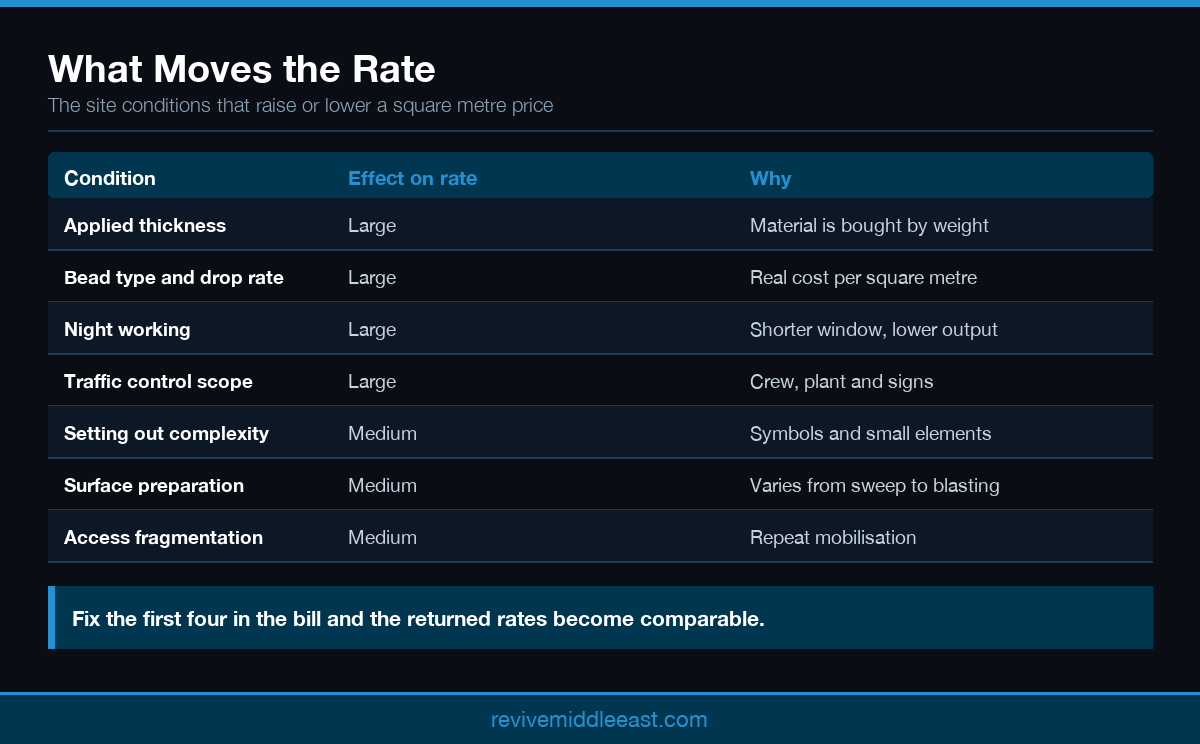
The site conditions that move a marking rate up or down
Preparation and Removal Are Separate Costs
Two items regularly missing from a marking bill are surface preparation and removal of existing lines. Both are physical work, both consume plant and crew time, and both vary hugely by site. Pricing them inside the marking rate forces every bidder to guess, and the bid that guesses lowest wins for the wrong reason.
Preparation on new asphalt may be nothing more than sweeping. On an aged surface, on concrete, or where a previous marking has left residue, it can involve blasting, priming or both, and proper surface preparation is what decides whether the new line bonds at all. On a rehabilitation scheme it is not unusual for preparation to approach the cost of the marking itself.
Removal follows the same logic. Taking a thin cold paint line off asphalt is quick. Taking a full depth thermoplastic legend off a concrete apron without scarring the substrate is slow, and the method chosen changes both the price and the risk to the surface. The practical detail is covered in our guide to stripping old lines and re marking.
The cleanest approach is to bill preparation and removal as measured items with their own units, so the scheme pays for what it actually needs and every bid is arithmetic rather than assumption.
How to Compare Quotations Fairly
Start by normalising the measurement rule. A 100 mm broken line can be measured as painted area, as the full length of the run including gaps, or as linear metres, and the three give very different numbers for the same road. State the rule once in the preamble and every rate becomes comparable.
Next, fix the specification variables that move material consumption. Applied thickness, bead type and drop rate, colour, and whether the marking is standard or profiled all belong in the item description. Once those are locked, a lower road marking cost genuinely reflects better productivity or a shorter supply chain rather than a thinner line.
Then look at what stands behind the rate. A manufacturer that produces its own material carries a different cost structure from a trader buying imported product, and it also carries batch traceability, which matters when a section fails and the cause has to be established. Ask for batch certificates as a bid requirement, not a handover formality.
Finally, price the life rather than the day. A rate that is fifteen per cent lower but delivers two thirds of the service life is more expensive over any sensible horizon, and the traffic disruption of an early re mark rarely appears in the comparison at all. Whole of life thinking is the only way a road marking cost comparison reflects what the client will actually pay.
Anyone building a bill for the first time should set the item structure before the drawings are final, because retro fitting a measurement rule into a live contract is far harder than agreeing one at tender.
Conclusion
Road marking cost is not a single number, it is the output of a specification. Fix the thickness, the beads, the measurement rule and the traffic control arrangement, and the quotations that come back can be compared on equal terms. Leave them open and the lowest bid will simply be the one that assumed the least material and the shortest working window. Revive Middle East Paints manufactures its own thermoplastic and installs it across the UAE, which means the rate and the material behind it come from the same place. Request a priced proposal with your bill of quantities and drawings.