Safety equipment standards in the UAE are not optional. They are a legal and operational necessity for every contractor working on roads, construction zones, or public infrastructure. Whether you are managing a highway project or a temporary work zone, understanding the right safety equipment requirements can protect your workers, prevent accidents, and keep your project compliant with UAE regulations. This blog breaks down the essential standards, product categories, and best practices every UAE contractor must know before stepping on site.
Key Takeaways
- Proper safety equipment is mandatory under UAE federal and emirate-level regulations for all contractors.
- Road safety equipment and traffic safety equipment must meet approved standards for materials, visibility, and placement.
- Partnering with a certified supplier ensures compliance, durability, and professional installation across all project types.
Why Safety Equipment Standards Matter for UAE Contractors
The UAE has seen rapid growth in infrastructure development over the past decade. With major road expansion projects, urban construction, and industrial zones expanding across emirates, the demand for compliant safety equipment has never been higher. Standards set by authorities such as the Ministry of Infrastructure Development and individual emirate road agencies define exactly what products are acceptable and how they must be deployed.
Non-compliance can result in project shutdowns, fines, or serious liability in the event of an accident. More importantly, the right safety equipment protects the lives of workers and road users alike. Contractors who understand these standards early avoid costly delays later in the project lifecycle.
For an overview of what compliance looks like in practice, review the UAE traffic management standards and compliance requirements that govern road and site safety across the country.
Core Categories of Road Safety Equipment Required on UAE Sites
Understanding which types of road safety equipment are required is the first step to achieving compliance. UAE sites typically require several distinct categories of equipment, each serving a specific function in protecting workers and managing traffic flow.
Traffic Signs and Signage Systems
Traffic signs are among the most fundamental forms of road safety equipment. In the UAE, signs must comply with the Gulf Cooperation Council (GCC) unified traffic sign specifications and any additional emirate-level requirements. Signs must use retroreflective sheeting of the approved grade, be mounted at the correct height, and use standardized symbols and colors. For construction zones, temporary traffic signs must be clearly distinguishable from permanent infrastructure to avoid driver confusion.
Contractors must ensure their signs are manufactured to specification. Revive Middle East produces custom traffic management and road safety products designed to meet UAE regulatory requirements across both temporary and permanent applications.
Guard Rails and Physical Barrier Systems
Guard rails are a critical layer of physical protection on UAE roads and construction sites. These safety equipment systems are designed to prevent vehicles from veering into work zones, pedestrian areas, or off-road hazards. The UAE follows international standards for beam guard rail design, including specifications for post spacing, beam height, and end treatments. Highways, bridge approaches, and high-speed corridors require W-beam or thrie-beam systems depending on the impact severity rating required.
Contractors working on long-stretch road projects must factor in guard rail installation as a mandatory item in their safety plan. Improper or missing guard rails are among the most cited compliance failures during site inspections.
Road Markings and Pavement Delineation
Road markings are a form of passive road safety equipment that guides both drivers and pedestrians through work zones and altered traffic patterns. In the UAE, road marking materials must meet specific standards for retroreflectivity, durability, and skid resistance. Thermoplastic road markings are widely used due to their long service life and high visibility under both daylight and nighttime conditions.
Contractors must ensure that temporary road markings are removed cleanly after project completion and that permanent markings meet the required retroreflectivity values set by local road authorities. Revive Middle East offers professional road marking solutions that meet UAE standards for both construction and permanent infrastructure projects.
Traffic Safety Equipment for Work Zone Management
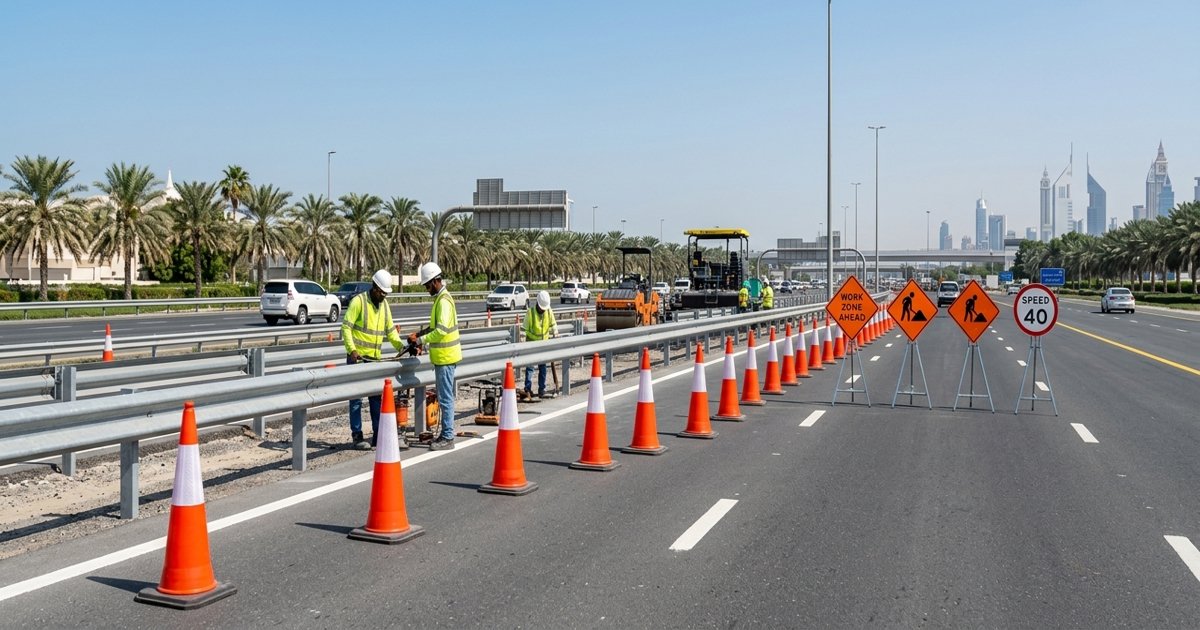
Work zone management is one of the most demanding areas of site safety. The goal is to create a clear and predictable environment for both workers and drivers. Traffic safety equipment used in work zones must follow a structured layout that guides traffic safely through or around the construction area.
Traffic Cones, Delineators, and Channelizing Devices
Traffic cones and delineators are the most commonly deployed traffic safety equipment on UAE construction sites. These devices define lane boundaries, guide vehicles around hazards, and create buffer zones between traffic and workers. UAE standards specify minimum cone height, retroreflective banding requirements, and acceptable ballast weight to ensure stability in the region’s wind conditions. Delineator posts must be flexible enough to absorb vehicle impact without causing secondary hazards.
Contractors should source cones and delineators from manufacturers who can certify product compliance. Cutting corners on these small items can lead to serious consequences during a site inspection or, worse, during an actual traffic incident.
Road Gantries and Overhead Control Systems
For large-scale road projects and highway corridors, road gantries are an essential part of the traffic safety equipment inventory. Gantries are overhead structures used to mount variable message signs, traffic signals, speed limit indicators, and warning systems. They must be engineered to withstand UAE wind load specifications and installed according to authority-approved drawings.
Revive Middle East manufactures and installs road gantries for infrastructure projects across the UAE. Their products are designed for both temporary project use and permanent highway integration. You can explore the full range of available infrastructure solutions on the Revive Middle East products page.
Personal Protective Equipment and Site-Level Safety Standards
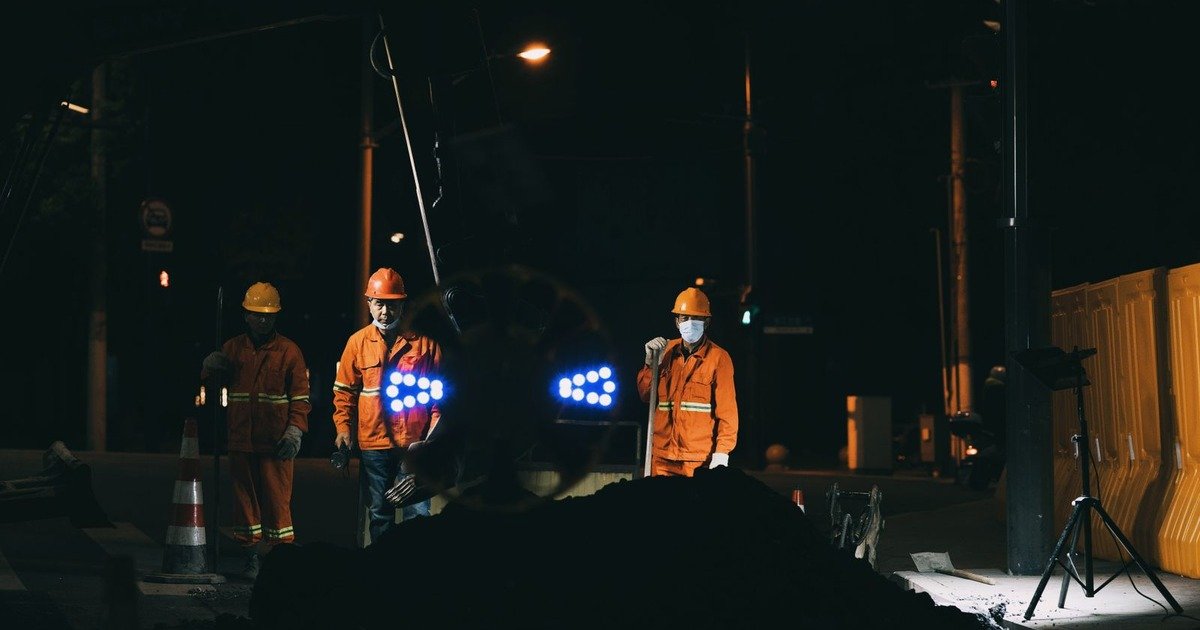
Beyond road-facing equipment, safety equipment standards also govern what workers must wear and use on site. The UAE’s Occupational Health and Safety regulations require all workers in road construction zones to wear high-visibility vests, hard hats, safety footwear, and appropriate eye and hearing protection where needed.
Contractors must conduct regular safety briefings and maintain equipment inspection logs. All personal protective equipment (PPE) must meet approved international standards, such as EN ISO certifications, and must be replaced when worn or damaged. Sites with significant vehicle movement near workers require additional protective measures, including physical barriers between pedestrian paths and vehicle routes.
According to guidance published by the International Labour Organization, proper PPE combined with engineered control measures significantly reduces occupational injury rates in construction environments.
How to Choose the Right Safety Equipment Supplier in the UAE
Selecting a qualified supplier is as important as knowing the standards themselves. A reliable safety equipment supplier in the UAE should be able to provide product certification documentation, demonstrate knowledge of local regulatory requirements, and offer installation support where needed.
Look for suppliers with proven experience in UAE infrastructure projects, the ability to deliver custom solutions, and a clear after-service support structure. A supplier who understands both the product and the compliance landscape can save contractors significant time and risk over the course of a project.
Revive Middle East works with government authorities, municipalities, and private contractors across the UAE to supply compliant traffic management and road safety equipment. Their experience spans production, installation, and ongoing maintenance support. Visit the Revive Middle East projects page to see examples of completed infrastructure work.
Conclusion
Safety equipment standards in the UAE are comprehensive, and every contractor has a responsibility to understand and apply them correctly. From road safety equipment like guard rails and road markings to traffic safety equipment including cones, gantries, and signs, each product category plays a vital role in protecting people and ensuring smooth project execution. Staying informed, working with certified suppliers, and maintaining compliance documentation are the foundations of a well-managed UAE construction site. If you need expert guidance on compliant traffic management products for your next project, contact Revive Middle East today to discuss your requirements.
Frequently Asked Questions
What safety equipment is mandatory for road construction sites in the UAE?
Mandatory safety equipment on UAE road construction sites includes traffic signs, guard rails, road markings, traffic cones, delineators, and personal protective equipment. Workers must also wear high-visibility vests and hard hats at all times while on active construction zones near traffic.
What are the UAE standards for road safety equipment materials?
UAE standards for road safety equipment require retroreflective sheeting on traffic signs, thermoplastic or approved paint for road markings, and structural steel for guard rails. Products must comply with GCC unified specifications and any additional requirements issued by local emirate road authorities for the specific project type.
How often should traffic safety equipment be inspected on a UAE site?
Traffic safety equipment should be inspected at the start of every working shift. Damaged cones, missing delineators, faded road markings, or bent guard rails must be replaced immediately. Regular inspection logs should be maintained as documentation for authority site audits and compliance verification purposes throughout the project duration.
What is the role of road gantries in traffic management?
Road gantries are overhead structures used to mount variable message signs, traffic signals, and speed limit indicators above roadways. They are essential for managing high-volume traffic on UAE highways. Gantries must be engineered to meet local wind load specifications and installed according to authority-approved structural drawings for each site.
Are thermoplastic road markings required for all UAE construction projects?
Thermoplastic road markings are the preferred material for permanent UAE road markings due to their durability and retroreflectivity. Temporary markings during construction may use alternative materials, but they must still meet minimum retroreflectivity standards. Contractors working on road projects can learn more through resources on road marking standards and applications relevant to UAE infrastructure.
What personal protective equipment is required for workers near live traffic in the UAE?
Workers near live traffic in the UAE must wear high-visibility Class 2 or Class 3 vests, hard hats, safety footwear, and eye protection where applicable. The level of PPE required increases with traffic speed and proximity. Supervisors are responsible for ensuring all workers are correctly equipped before entering the work zone.
How does guard rail placement affect safety compliance in the UAE?
Guard rail placement must follow approved design drawings specifying post spacing, beam height, and end treatment types. Incorrect placement or missing sections can result in failed site inspections and project stoppages. Contractors managing highway or bridge projects should consult with qualified suppliers experienced in UAE infrastructure to ensure full structural and regulatory compliance.
What documents should a UAE contractor keep for safety equipment compliance?
UAE contractors should maintain product certification documents, installation records, daily inspection logs, supplier compliance certificates, and any authority approval letters for site-specific safety equipment. These records are essential during site audits and must be readily available. Contractors exploring compliant traffic management product categories can find structured guidance for documentation requirements in related resources.
Can a contractor use imported safety equipment on UAE road projects?
Imported safety equipment can be used on UAE road projects if it meets locally recognized standards, such as GCC specifications or approved international equivalents. Contractors must provide documentation proving product compliance. Local authorities may require additional testing or approvals for certain product categories before deployment on public road infrastructure projects.
What happens if a contractor fails to meet safety equipment standards in the UAE?
Failure to meet safety equipment standards in the UAE can result in project shutdowns, financial penalties, and increased liability in the event of an accident. Regulatory authorities conduct site inspections throughout project lifecycles. Contractors found non-compliant may face work suspension until corrective actions are completed and verified by the relevant authority.