
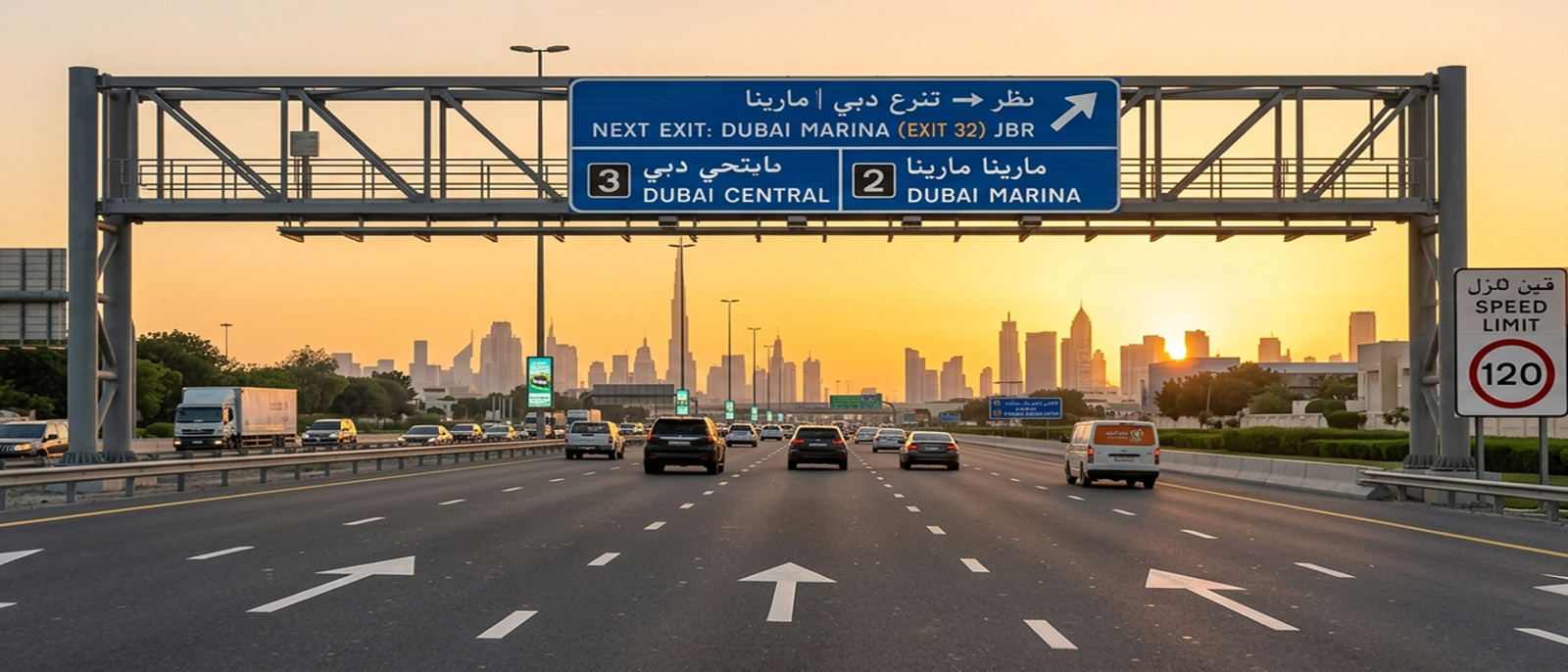
Road signage is one of the most essential components of any modern traffic management system. Every time a driver slows down at a speed limit sign or a pedestrian stops at a crossing signal, effective signage is doing its job. In the UAE, where road networks support high traffic volumes across urban and industrial zones, the quality and placement of road signs directly impact public safety. This blog explores the major types of road signage, their roles in traffic control, and why investing in proper signage infrastructure matters for roads, municipalities, and construction projects alike.
Key Takeaways
- Road signage serves three core functions: warning, regulating, and guiding road users across all environments.
- Combining road marking and signage creates a layered communication system that significantly improves traffic flow and road safety.
- Partnering with a professional signage company ensures compliant, durable, and correctly installed traffic signs for any project scale.
What Is Road Signage and Why Does It Matter?
Road signage refers to all physical signs placed alongside, above, or on road surfaces to communicate rules, warnings, and directions to road users. These signs form the backbone of any traffic control system. Without them, roads become unpredictable and hazardous environments for drivers and pedestrians alike.
In the UAE, road authorities follow strict guidelines for sign placement, sizing, and visibility. Proper road signage reduces driver confusion, lowers the risk of collisions, and supports the smooth movement of vehicles through complex intersections and highways. According to the World Health Organization, road traffic injuries remain a leading global cause of death, and effective signage is one of the most cost-efficient countermeasures available.
For infrastructure developers, municipalities, and contractors, understanding the types and functions of road signs is the first step toward building safer, more efficient road networks. A trusted traffic management solutions provider ensures every sign meets the required specifications and is correctly installed according to local authority requirements.
The Three Core Categories of Road Signage
Road signs are broadly classified into three categories based on their purpose. Each type uses distinct colors, shapes, and symbols to communicate instantly with road users, even at high speeds.
1.1.1. Regulatory Signs
Regulatory signs inform drivers of traffic laws and rules that must be followed. These are legally binding instructions placed on roads to enforce speed limits, right-of-way rules, parking restrictions, and more. In the UAE, regulatory signs typically use red and white color schemes with standardized shapes to maximize recognition.
Common examples include stop signs, speed limit signs, no-entry signs, and no-parking indicators. Failing to comply with regulatory signage can result in fines or accidents. Because these signs carry legal weight, their quality, placement, and visibility are critical. Working with an experienced signage company ensures these signs are manufactured to comply with local traffic authority standards and are positioned for maximum effectiveness.
1.1.2. Warning Signs
Warning signs alert road users to potential hazards ahead, giving them enough time to adjust speed or direction. These signs do not enforce rules but communicate risks such as sharp curves, road merges, pedestrian crossings, or roadworks zones.
In the UAE, warning signs are typically diamond-shaped with yellow or amber backgrounds and black symbols. They are placed at distances calculated to allow safe reaction time based on the road’s speed limit. Construction zones and industrial areas rely heavily on warning signs to protect both workers and passing drivers. High-visibility materials and reflective coatings are standard requirements for warning sign production to ensure they remain readable at night and in low-light conditions.
1.1.3. Informational and Guide Signs
Guide signs help road users navigate routes, locate services, and understand distances. These include highway exit signs, direction boards, distance markers, and facility signs for hospitals, fuel stations, and rest areas.
In high-density urban environments and along major highways in the UAE, guide signs are often mounted on road gantries for overhead visibility. Clear, well-maintained informational signage reduces sudden lane changes and last-minute braking, both of which contribute to traffic congestion and accidents. The design, font size, and illumination of guide signs are carefully engineered to ensure readability at highway speeds.
The Role of Road Marking and Signage Together
Effective traffic control is never achieved through signs alone. Road marking and signage work as a complementary system, reinforcing each other to deliver consistent, clear messages to road users at all times.
Road markings include lane lines, stop lines, pedestrian crossings, arrows, and text painted directly onto the road surface. When combined with vertical road signs, they create a layered communication environment. For example, a speed limit sign is reinforced by speed markings painted on the road. A no-overtaking sign is supported by continuous center-lane markings. This combination removes ambiguity and helps drivers make safe decisions quickly.
Specialist traffic management suppliers provide both road markings and traffic signs as part of integrated solutions. This ensures consistency across all elements of a road safety setup, whether for a new highway, an urban development project, or a construction site.
Specialized Road Signage for Construction and Industrial Zones
Construction and industrial environments present unique traffic management challenges. Temporary road signage plays a crucial role in directing traffic safely through active worksites, protecting both construction crews and passing vehicles.
Temporary signs include lane closure indicators, detour signs, speed reduction boards, and worker-ahead warnings. These must be robust enough to withstand outdoor conditions while remaining clearly visible under dust, wind, and varying light conditions common in UAE construction environments. Reflective sheeting and weather-resistant materials are standard requirements for temporary road signs in these settings.
Beyond temporary use, permanent signage in industrial parks and warehousing zones also requires careful planning. Signs must account for heavy vehicle movements, blind corners, and pedestrian zones within the facility. A professional signage company with experience in industrial environments will assess site-specific risks and recommend the correct sign types, sizes, and placements.
Why Choosing the Right Signage Company Matters
The quality and compliance of your road signage depends significantly on the manufacturer and installer you choose. Not all signage is created equal, and substandard signs can fade, warp, or become illegible within a short period, especially under the intense UAE sun.
A reliable signage company offers more than just supply. It provides engineering consultation, compliant manufacturing, professional installation, and ongoing maintenance. These services are essential for government authorities, municipalities, road contractors, and private developers who require durable, regulation-ready traffic signs and road markings.
Factors to consider when selecting a signage partner include material quality, knowledge of UAE traffic standards, installation capabilities, and after-service support. Signs that are incorrectly installed or made from inferior materials can pose liability risks and require costly replacements. Investing in quality from the start delivers long-term savings and, more importantly, keeps road users safe.
Standards and Compliance in UAE Road Signage
All road signage in the UAE must conform to standards set by the relevant federal and emirate-level road authorities. These standards govern sign dimensions, color specifications, reflectivity grades, font types, and installation heights. Compliance is not optional. Non-conforming signs can be rejected during project inspections or, worse, contribute to accidents due to poor visibility or confusing messaging.
The Transportation Research Board provides globally referenced guidelines on sign design and traffic control that inform many national standards, including those applied in the UAE. Staying current with these standards is essential for any infrastructure project. Qualified suppliers maintain production processes aligned with applicable UAE traffic management requirements, ensuring all delivered products meet project and regulatory specifications.
Conclusion
Road signage is far more than a functional necessity. It is a critical safety infrastructure that supports the movement of millions of road users every day. From regulatory signs that enforce traffic laws to warning signs that prevent accidents and guide signs that assist navigation, each category of road signage plays a distinct and irreplaceable role. When combined with quality road marking and signage systems, they create the safest possible road environment. Choosing a trusted signage company with proven expertise in UAE road standards ensures your road infrastructure lasts under local environmental conditions and supports the long-term safety goals of your project.
FAQ
Q1: What are the main types of road signage used in traffic control?
The three main types of road signage are regulatory signs, warning signs, and informational or guide signs. Each category uses distinct colors and shapes to communicate specific messages to road users, ensuring safe and orderly traffic flow on all road types.
Q2: Why is road signage important for road safety in the UAE?
Road signage is critical in the UAE because it guides high volumes of traffic across complex urban and highway networks. Properly installed signs reduce driver confusion, prevent collisions, and support compliance with local traffic laws, making roads safer for drivers, cyclists, and pedestrians.
Q3: What is the difference between road marking and signage?
Road marking and signage serve complementary roles. Road markings are painted directly onto the road surface to indicate lanes, crossings, and speed zones. Road signs are vertical structures that communicate rules, warnings, and directions. Together, they form a comprehensive layered traffic communication system.
Q4: What materials are used in manufacturing road signs for UAE conditions?
Road signs in the UAE are typically made from high-grade aluminum with retroreflective sheeting. These materials resist intense heat, UV exposure, and sandstorms. Reflective coatings ensure visibility at night and in low-light conditions, extending the service life of signs in harsh desert environments.
Q5: How does a signage company ensure compliance with UAE traffic standards?
A professional signage company follows UAE traffic authority specifications for sign dimensions, color codes, reflectivity grades, and installation heights. Compliance checks are built into the manufacturing and installation process, ensuring every delivered sign meets regulatory requirements for public road and private infrastructure projects.
Q6: What types of road signs are required in construction zones?
Construction zones require temporary road signage including lane closure signs, detour boards, worker-ahead warnings, and speed reduction indicators. These signs use high-visibility colors and reflective materials to protect workers and drivers. They must be regularly inspected and repositioned as site conditions change throughout the project lifecycle.
Q7: How often should road signs be inspected and replaced?
Road signs should be inspected at least annually for fading, physical damage, and reflectivity loss. In high-traffic or extreme-weather areas like the UAE, more frequent checks are recommended. Signs that no longer meet visibility or compliance standards should be replaced promptly to maintain road safety and regulatory compliance.
Q8: Can road signage be customized for private developments and industrial parks?
Yes, road signage can be customized for private developments, industrial parks, and gated communities. Custom signs can include facility-specific directions, speed limits, hazard warnings, and branded wayfinding boards. A qualified signage supplier provides tailored solutions that meet both safety standards and site-specific operational requirements effectively.
Q9: What role do road gantries play in traffic sign visibility?
Road gantries are overhead structures used to mount guide and informational signs above multi-lane roads and highways. They improve visibility for all lanes simultaneously, reducing missed exits and sudden maneuvers. Gantry-mounted signs are especially important on high-speed UAE highways where roadside signs alone cannot reach all drivers.
Q10: How do I choose the right signage company for a large infrastructure project?
For large infrastructure projects, choose a signage company that offers end-to-end services including manufacturing, supply, installation, and maintenance. Verify their experience with similar project scales, their knowledge of UAE traffic regulations, and their ability to deliver compliant products on time within the agreed project schedule.