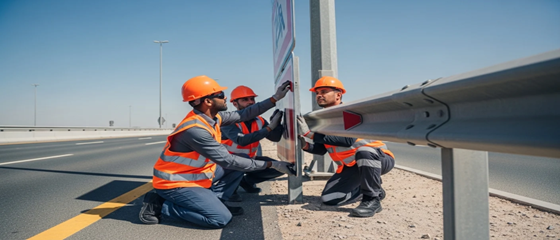
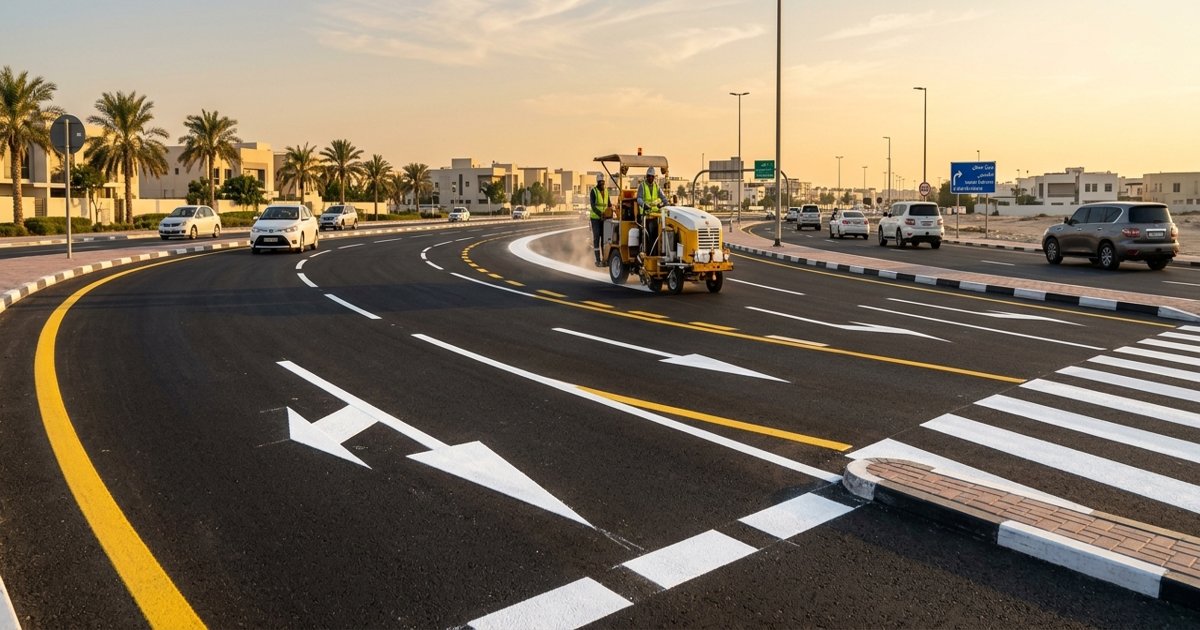
How Thermoplastic Road Markings Improve Visibility and Traffic Safety

How Thermoplastic Road Markings Improve Visibility and Traffic Safety

Thermoplastic road markings are one of the most effective tools for improving road visibility and reducing traffic hazards. In high-traffic environments like the UAE, where roads carry significant daily load, the quality of road markings directly affects driver behavior and public safety. This blog explores how thermoplastic road markings work, why they outperform conventional paint, and how they contribute to safer roads for everyone.

Key Takeaways

  • Thermoplastic road markings offer superior durability, visibility, and reflectivity compared to standard road paint, making them the preferred choice for high-traffic roads.
  • The use of thermoplastic paint road marking materials ensures longer service life, reduced maintenance costs, and better performance in extreme weather conditions.
  • Choosing a reliable thermoplastic paint manufacturer ensures compliance with road safety standards and consistent quality across large infrastructure projects.

What Are Thermoplastic Road Markings?

Thermoplastic road markings are applied using a heat-activated material that bonds directly to road surfaces. Unlike regular paint, thermoplastic is a solid compound that melts at high temperatures and hardens upon cooling. This creates a thick, durable layer that adheres firmly to asphalt or concrete.

The material typically contains resins, glass beads, pigments, and fillers. The glass beads are especially important because they reflect headlights at night, dramatically improving visibility for drivers in low-light conditions. This retroreflective property is one of the key reasons road authorities prefer thermoplastic road markings over traditional alternatives.

According to the World Health Organization, road traffic injuries are a leading cause of death globally, with poor road infrastructure being a contributing factor. Clear, durable road markings are a cost-effective intervention that can significantly reduce accident risks.

Why Thermoplastic Paint Road Marking Outperforms Standard Paint

Standard road paint degrades quickly under heavy traffic, UV exposure, and temperature fluctuations. In contrast, thermoplastic paint road marking materials are engineered to withstand these challenges for years without significant fading or wear.

Here are the primary advantages of thermoplastic over conventional paint:

  • Durability: Thermoplastic markings can last 5 to 7 years under normal traffic conditions, compared to 1 to 2 years for standard paint.
  • Retroreflectivity: Embedded glass beads improve night visibility, which is critical for reducing nighttime accidents.
  • Fast application and curing: Thermoplastic hardens within minutes, minimizing road closure time during application.
  • Weather resistance: The material performs well in both extreme heat and cold, making it suitable for the harsh UAE climate.
  • Thickness and tactile feedback: The raised surface provides tactile warning for drivers and enhanced grip for vehicles.

For infrastructure teams managing large road networks, these properties translate directly into lower long-term maintenance costs and improved safety outcomes. You can explore more about the role of thermoplastic paint solutions offered by Revive Middle East for UAE road projects.

The Role of Thermoplastic Road Markings in Traffic Safety

Clear road markings are essential for guiding drivers, pedestrians, and cyclists. They define lanes, indicate stopping zones, mark pedestrian crossings, and communicate traffic rules without relying on additional signage. When markings are faded or unclear, driver confusion increases, and so does the likelihood of accidents.

Thermoplastic road markings address this directly. Their high visibility during both day and night, combined with consistent performance across different weather conditions, ensures that traffic guidance remains reliable. This is especially important at intersections, school zones, and pedestrian-heavy areas.

Road authorities across the Middle East have increasingly adopted thermoplastic materials as a standard for new road projects and resurfacing contracts. Their compliance with international marking standards makes them a trusted solution for municipalities and transport departments. For a deeper understanding of road safety practices, the road safety blog by Revive Middle East provides detailed insights for infrastructure professionals.

Choosing the Right Thermoplastic Paint Manufacturer

The quality of thermoplastic road markings depends heavily on the materials used and the manufacturer behind them. A reliable thermoplastic paint manufacturer will produce materials that meet local and international road marking standards, ensuring consistency in performance and longevity.

When selecting a manufacturer or supplier for your road project, consider the following criteria:

  • Material quality and composition: High-quality resins and properly sized glass beads determine retroreflectivity and lifespan.
  • Compliance with standards: Look for products tested against relevant road safety specifications for the region.
  • Project experience: A manufacturer with a strong track record in large-scale road projects offers greater reliability.
  • Technical support and installation: End-to-end service from supply to professional installation ensures the markings are applied correctly and last longer.
  • After-service support: Maintenance and inspection services are key for long-term road safety performance.

Revive Middle East serves as both a manufacturer and supplier of road marking solutions in the UAE. The company supports government authorities, municipalities, and infrastructure contractors with quality products and professional installation services. You can review our full range of road infrastructure services to understand the scope of support available.

Applications of Thermoplastic Road Markings in the UAE

The UAE has a rapidly expanding road network that demands high-performance marking solutions. Thermoplastic road markings are used extensively across motorways, urban roads, parking areas, airports, and industrial zones. Each application comes with specific performance requirements.

On highways, thermoplastic is used for lane delineation, chevron markings, and rumble strips. In urban settings, it marks pedestrian crossings, stop lines, and directional arrows. In parking facilities, it creates bay lines and navigational guides. Each use case benefits from the material’s durability and high visibility.

The growing focus on smart city development in the UAE has also increased demand for precise and long-lasting road markings. As infrastructure investment continues, the need for reliable thermoplastic paint road marking suppliers with local expertise becomes more critical. To explore how quality road markings directly support traffic safety, visit this detailed resource on why quality road markings are critical for traffic safety.

Conclusion

Thermoplastic road markings are not just a cosmetic feature of road infrastructure. They are a functional safety component that guides drivers, reduces accident risks, and supports smooth traffic flow. With their durability, retroreflectivity, and resistance to harsh conditions, they represent a sound investment for any road authority or infrastructure contractor operating in the UAE. Selecting the right thermoplastic paint manufacturer and ensuring professional installation are essential steps toward achieving long-term road safety outcomes. Revive Middle East is positioned to support these needs with quality products and end-to-end service. To learn more about our road safety solutions or to discuss your next project, visit the Revive Middle East website or contact our team directly.

Frequently Asked Questions

What are thermoplastic road markings made of?

Thermoplastic road markings are made from a blend of resins, glass beads, pigments, and fillers. The glass beads provide retroreflectivity, improving nighttime visibility. This composition makes them far more durable than standard road paint, especially for construction and infrastructure projects in demanding environments.

How long do thermoplastic road markings last?

Under normal traffic conditions, thermoplastic road markings typically last between 5 and 7 years. Their lifespan depends on traffic volume, climate, and surface preparation quality. Proper installation by experienced professionals significantly extends the durability of thermoplastic paint road marking applications.

Why are glass beads used in thermoplastic paint road marking?

Glass beads are embedded in thermoplastic paint road marking materials to create retroreflectivity. When vehicle headlights hit the surface at night, the beads reflect light back toward the driver, greatly improving lane visibility and reducing the risk of nighttime accidents on roads.

Is thermoplastic road marking suitable for UAE weather conditions?

Yes, thermoplastic road marking materials are well-suited for the UAE climate. They resist extreme heat, UV radiation, and temperature fluctuations. This makes them a preferred choice for municipalities and road authorities managing large-scale road networks across the Emirates year-round.

What is the difference between thermoplastic and standard road paint?

Standard road paint fades quickly under traffic and UV exposure, typically lasting 1 to 2 years. Thermoplastic road markings last significantly longer, offer better retroreflectivity, and provide tactile surface texture. They also cure faster, reducing road closure time during application on busy road networks.

How is thermoplastic road marking applied?

Thermoplastic road marking is applied by heating the solid material until it melts, then spraying or screeding it onto the road surface. It bonds firmly upon cooling within minutes. Professional equipment and trained crews are essential for consistent thickness and proper adhesion on asphalt or concrete surfaces.

Who uses thermoplastic road markings in the UAE?

Thermoplastic road markings are used by government road authorities, municipalities, airport operators, industrial facility managers, and construction contractors across the UAE. Suppliers like Revive Middle East support these clients by exploring the industries and clients served through their road safety product range.

What long-tail benefits do thermoplastic markings offer for pedestrian safety?

Thermoplastic markings at pedestrian crossings remain highly visible even after years of heavy foot and vehicle traffic. Their durability and bright color retention make them critical for school zones, residential areas, and commercial districts where pedestrian safety is a primary concern for road planners.

How do I choose a reliable thermoplastic paint manufacturer?

When choosing a thermoplastic paint manufacturer, look for compliance with regional road safety standards, verified project experience, quality raw materials, and full installation support. Reviewing their page can also help clarify product specifications, service scope, and project suitability before committing.

Can thermoplastic road markings be used in parking areas and private roads?

Yes, thermoplastic road markings are widely used in parking facilities, private roads, industrial zones, and airport aprons. They define bay lines, directional arrows, and safety zones clearly. Their long lifespan and fast curing time make them a practical and cost-effective choice for both public and private infrastructure.
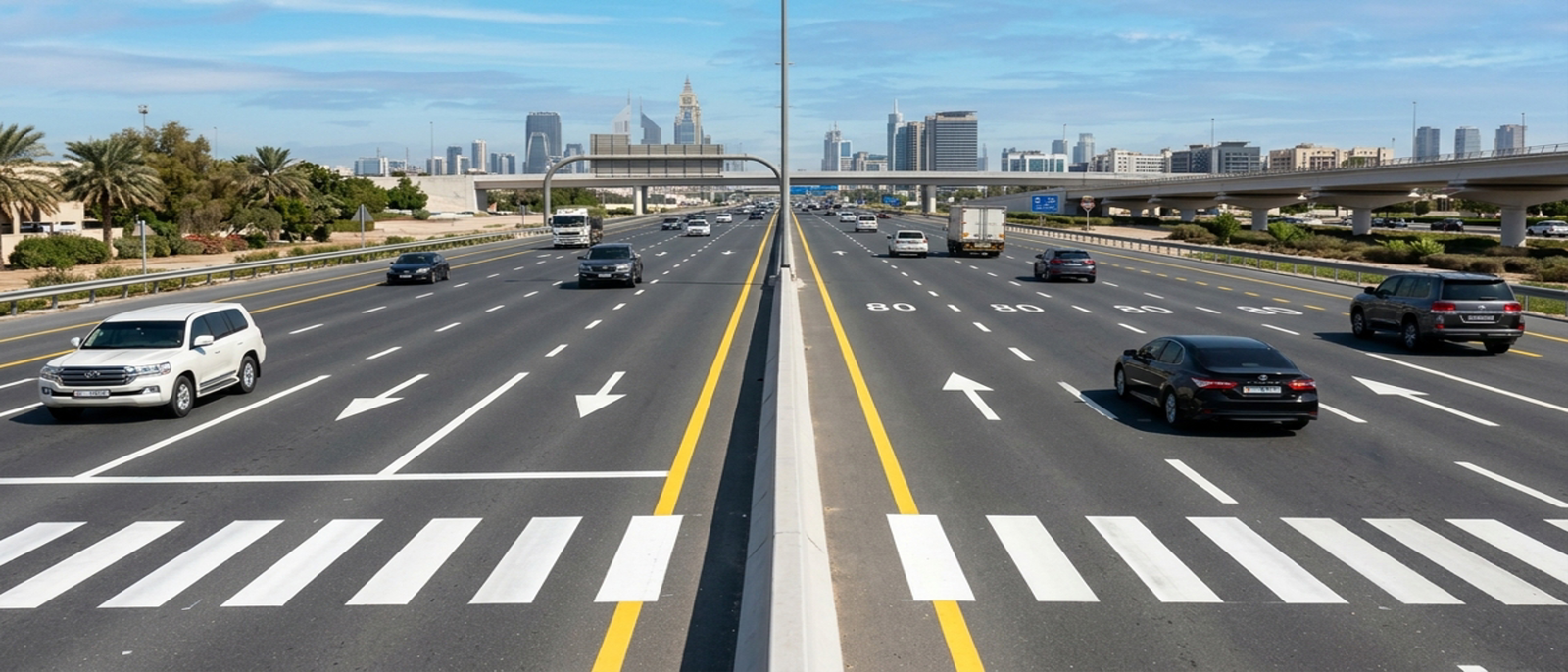
Top 5 Benefits of Thermoplastic Road Markings in High-Traffic Areas

Thermoplastic road markings are transforming how road safety is managed in high-traffic environments. In busy urban zones, highways, and intersections, standard paint simply cannot keep up with the demands of heavy vehicle loads, extreme heat, and constant wear. Thermoplastic markings offer a proven, long-lasting alternative that improves visibility, reduces maintenance costs, and supports safer driving conditions. This blog explores the top five benefits of thermoplastic road markings and why infrastructure professionals across the UAE are choosing them over conventional options.

Key Takeaways

  • Thermoplastic road markings last significantly longer than standard road marking paint, making them ideal for high-traffic roads and highways.
  • Their retroreflective properties and bright pigmentation ensure markings remain highly visible in both day and night conditions.
  • Choosing a reliable thermoplastic road marking paint manufacturer ensures consistent quality, compliance, and performance across large-scale infrastructure projects.

What Are Thermoplastic Road Markings?

Thermoplastic road markings are applied using a hot-melt process. The material is heated to a specific temperature and then applied directly onto the road surface, where it bonds firmly as it cools. Unlike conventional road marking paint, thermoplastic material contains resins, glass beads, pigments, and fillers that give it superior durability and retroreflective performance.

These markings are widely used on highways, arterial roads, pedestrian crossings, parking zones, and airport runways. Their adaptability makes them suitable for a wide range of infrastructure projects in the UAE and across the wider region. For a deeper understanding of available thermoplastic materials, explore the thermoplastic road marking paint manufacturer category covering product types and regional applications.

Benefit 1: Superior Durability in High-Traffic Conditions

One of the most significant advantages of thermoplastic road markings is their exceptional durability. In areas with high vehicle volume, road markings face constant abrasion from tyres, heavy trucks, and weather exposure. Thermoplastic material bonds deeply with the road surface, creating a marking that can withstand this ongoing mechanical stress far better than liquid paint.

Standard paint markings may need reapplication every six to twelve months in busy areas. In contrast, thermoplastic markings can last three to seven years under similar conditions, depending on traffic volume and maintenance practices. This longevity is a major advantage for municipalities and road authorities managing large infrastructure budgets. According to research on road marking performance published by the World Health Organization, effective road markings contribute directly to reduced road fatalities and improved traffic flow management. You can also read about why quality road markings are critical for traffic safety on UAE roads.

Benefit 2: High Retroreflectivity for Night and Wet Weather Visibility

Visibility is a critical factor in road safety, particularly at night and during rain. Thermoplastic road markings contain embedded glass beads that reflect vehicle headlight beams back toward the driver. This retroreflective property makes the markings clearly visible even in low-light or wet conditions, which is when most road accidents occur.

Standard paint becomes dull over time and loses its reflective properties quickly. Thermoplastic markings maintain brightness and retroreflectivity throughout their service life, especially when high-quality glass bead concentrations are used. For road authorities and contractors working on high-speed corridors or night-use roads, this benefit alone justifies the investment. Partnering with a trusted thermoplastic road marking paint manufacturer ensures that glass bead specifications meet the required visibility standards for each project type. Comprehensive guidance on road marking materials and performance is also available through our road marking blog resources.

Benefit 3: Fast Application and Reduced Lane Closure Time

Time is a critical resource in road construction and maintenance. Every hour a lane is closed for marking work represents a disruption to traffic flow and a potential safety hazard for road workers. Thermoplastic road markings set rapidly after application, often becoming trafficable within minutes of cooling. This rapid curing time significantly reduces lane closure periods compared to solvent-based or water-based paints, which can take much longer to dry fully.

This speed advantage is especially valuable on motorways, ring roads, and busy intersections where prolonged lane closures can cause significant congestion. Infrastructure contractors managing tight project schedules benefit greatly from the quick turnaround that thermoplastic application provides. It also reduces the risk of wet marking damage from vehicles entering the work zone too early. Proper site safety measures, including appropriate safety signage during road works, are equally important to protect both workers and road users during the application process.

Benefit 4: Cost-Effectiveness Over the Long Term

While the upfront cost of thermoplastic road markings is higher than standard paint, the long-term economics strongly favor thermoplastic. Because these markings last significantly longer, the frequency and cost of reapplication are reduced considerably. Road authorities and municipalities save on labor, materials, traffic management for repeat maintenance, and disruption costs over a multi-year period.

A lifecycle cost analysis consistently shows that thermoplastic markings deliver better value per year of service compared to paint. For large-scale projects such as highway networks, industrial zones, or new residential developments across the UAE, these savings can be substantial. Working with a reputable thermoplastic road marking paint manufacturer also helps ensure that material quality is consistent, reducing the risk of premature failure that could drive up maintenance costs unexpectedly. Exploring the full range of road marking and traffic management services available in the UAE can help project managers plan more effectively for long-term infrastructure investment.

Benefit 5: Enhanced Road Safety and Regulatory Compliance

Thermoplastic road markings play a direct role in improving road safety. Clear, durable, and highly visible markings help drivers navigate road layouts correctly, reducing the likelihood of wrong-lane driving, missed pedestrian crossings, and intersection errors. In high-traffic areas, the clarity of lane markings, arrows, stop lines, and zebra crossings can make a measurable difference to accident rates.

Road marking standards in the UAE are governed by transport and municipal authorities that specify material performance, colour, dimensions, and retroreflectivity levels. Thermoplastic materials are widely accepted under these standards because of their performance consistency. Choosing a qualified manufacturer and installer ensures that all markings meet local compliance requirements. Understanding how a traffic management company in the UAE approaches standards, safety, and compliance can help project managers select the right partners for road marking projects.

The Transportation Research Board has consistently highlighted that high-performance pavement markings are among the most cost-effective traffic safety measures available to road authorities worldwide.

Why Choosing the Right Thermoplastic Road Marking Paint Manufacturer Matters

The quality of thermoplastic road markings depends heavily on the material itself. Not all thermoplastic compounds are manufactured to the same standard. A reliable thermoplastic road marking paint manufacturer will use precise resin formulations, correct pigment concentrations, and verified glass bead specifications to produce materials that perform consistently across different road surfaces and climate conditions.

In the UAE, where road surfaces can reach extremely high temperatures and UV exposure is intense, the quality of the thermoplastic compound is particularly important. Poor-quality materials may soften, discolour, or delaminate prematurely, creating safety risks and requiring early replacement. Engaging a manufacturer with documented quality processes and UAE infrastructure experience provides confidence that the final marking will perform as required throughout its intended service life.

Applications of Thermoplastic Road Markings Across the UAE

Thermoplastic road markings are used across a wide variety of infrastructure settings in the UAE. Common applications include lane dividers and edge lines on highways, stop lines and directional arrows at signalized intersections, pedestrian crossings in urban areas, parking bay markings in commercial and residential developments, and speed limit reminders on school zones and residential streets. Detailed information on completed road marking projects and infrastructure work can be found in our projects section, which covers a range of project types across the region.

Each application has specific requirements for marking width, colour, and retroreflectivity. A professional installation team with experience in thermoplastic application ensures that all markings are applied accurately and in compliance with relevant UAE standards.

Conclusion

Thermoplastic road markings offer a compelling combination of durability, visibility, speed of application, long-term cost savings, and regulatory compliance. For high-traffic roads, urban intersections, highways, and pedestrian zones, they represent the most practical and effective road marking solution available. Their performance advantages over standard paint are well-documented, and their role in improving road safety is clear. Whether you are managing a government infrastructure project, a large-scale construction development, or a municipal road maintenance programme in the UAE, investing in thermoplastic markings is a sound decision that delivers measurable returns over the long term. To discuss your specific project requirements and receive expert guidance, contact our team today and find out how we can support your road marking needs across the UAE.

FAQ

Q1: What makes thermoplastic road markings better than standard paint?

Thermoplastic road markings bond more deeply with road surfaces, last three to seven years in high-traffic conditions, and maintain retroreflectivity far longer than standard paint. Their heat-applied composition also resists abrasion from heavy vehicles better, making them a cost-effective long-term road safety solution.

Q2: How long do thermoplastic road markings last in high-traffic areas?

In high-traffic areas, thermoplastic road markings typically last between three and seven years, depending on traffic volume, vehicle weight, road surface condition, and climate. Regular inspection and timely maintenance help extend service life and keep markings compliant with visibility requirements.

Q3: Are thermoplastic road markings suitable for UAE road conditions?

Yes, thermoplastic road markings are well-suited to UAE conditions. High-quality thermoplastic compounds are formulated to resist UV exposure, high surface temperatures, and heavy vehicle loads, all of which are common challenges on UAE roads. Choosing a reliable local manufacturer and installer is essential for consistent performance.

Q4: What is the application process for thermoplastic road markings?

Thermoplastic road markings are applied using a hot-melt process. The material is heated, then sprayed or screeded onto the prepared road surface. Glass beads are sometimes added after application for retroreflectivity. The marking bonds as it cools and becomes trafficable within a few minutes, minimizing lane closure time.

Q5: How do thermoplastic road markings improve night visibility?

Thermoplastic road markings contain glass beads that reflect vehicle headlights back toward drivers, improving retroreflectivity at night and in wet weather. This reflective quality is maintained throughout the marking’s service life, making thermoplastic the preferred choice for high-speed roads where quality road markings are critical for traffic safety.

Q6: What are the most common uses of thermoplastic road markings?

Common applications include highway lane lines, pedestrian crossings, stop lines, directional arrows, parking bay markings, and school zone indicators. Each application requires specific colours, widths, and performance standards. A qualified thermoplastic road marking paint manufacturer ensures materials meet the exact specifications for each road type.

Q7: Can thermoplastic road markings be used on all road surface types?

Thermoplastic road markings can be applied to asphalt, concrete, and other sealed road surfaces. Proper surface preparation, including cleaning and priming where necessary, is essential for strong adhesion. A professional installation team will assess the road surface condition before application to ensure long-term bonding and performance.

Q8: How do thermoplastic road markings contribute to regulatory compliance in the UAE?

UAE transport and municipal authorities specify marking dimensions, colours, and retroreflectivity levels for all road projects. Thermoplastic materials are widely accepted under these standards because of their consistent performance, as detailed in guidance from a traffic management company covering UAE standards, safety, and compliance.

Q9: What factors affect the durability of thermoplastic road markings?

Key factors include traffic volume and vehicle weight, road surface quality, application temperature, material formulation quality, and UV and heat exposure. In the UAE, UV intensity and road surface heat are particularly significant. Selecting a reputable thermoplastic road marking paint manufacturer with regional experience helps maximize durability.

Q10: How do I choose the right thermoplastic road marking paint manufacturer for a UAE project?

Look for a manufacturer with documented quality processes, regional infrastructure experience, and materials tested for UAE climate conditions. Verify that their thermoplastic compounds meet relevant performance and retroreflectivity standards. Requesting third-party test data and project references is a practical way to assess a manufacturer’s capability before committing to a contract.

Why Thermoplastic Paint is the Best Choice for Road Marking in UAE

When it comes to road safety infrastructure, the materials used for road marking play a critical role in guiding drivers, pedestrians, and vehicles safely. Thermoplastic paint manufacturer UAE solutions have become the preferred standard for road marking projects across the country. From highways to urban roads, thermoplastic markings offer unmatched durability, visibility, and compliance with local safety standards. This blog explores why thermoplastic paint stands above conventional alternatives and why infrastructure professionals in the UAE consistently choose it for long-term road marking solutions.

Key Takeaways

  • Thermoplastic paint outperforms conventional road marking materials in durability, retroreflectivity, and resistance to UAE climate conditions.
  • Partnering with trusted manufacturers of thermoplastic paints ensures consistent quality, faster application, and long-term cost savings on road projects.
  • Thermoplastic road markings meet UAE traffic authority standards and are suitable for highways, urban roads, and industrial zones.
  • Revive Middle East provides professional-grade road marking solutions designed for large-scale infrastructure projects in the UAE.

What is Thermoplastic Paint and How Does it Work?

Thermoplastic paint is a solid, heat-applied road marking material that melts at high temperatures and bonds directly to road surfaces upon cooling. Unlike solvent-based paints, it does not simply coat the surface. Instead, it fuses with the asphalt or concrete beneath it, creating a strong, lasting bond that resists traffic wear and harsh weather.

The material typically contains resins, glass beads, pigments, and fillers. The glass beads are especially important as they provide retroreflectivity, which makes road markings visible at night when vehicle headlights hit the surface. This combination of mechanical bonding and built-in retroreflectivity makes thermoplastic markings a highly effective safety solution. According to the World Health Organization, road traffic injuries remain a leading global concern, making high-visibility road markings a critical infrastructure priority.

Why UAE Roads Demand High-Performance Road Markings

The UAE presents unique environmental challenges for road infrastructure. Intense heat, strong UV radiation, and sandstorms put extreme stress on road surfaces and their markings. Conventional paint degrades quickly under these conditions, losing color, adhesion, and visibility within months of application.

This is why thermoplastic paint manufacturer UAE solutions are specifically engineered for such demanding environments. Thermoplastic materials are heat-resistant and UV-stable, which means they retain their brightness and structural integrity even through scorching summers. For municipalities, transport authorities, and contractors responsible for maintaining road safety standards, this resilience directly translates into reduced maintenance frequency and lower long-term costs.

Additionally, the UAE government has established clear road marking standards through bodies like the Abu Dhabi Department of Municipalities and Transport and the Roads and Transport Authority (RTA) in Dubai. Thermoplastic markings are fully aligned with these regulatory frameworks, making them the compliant choice for public road projects. You can learn more about UAE road safety standards from the Roads and Transport Authority.

Key Advantages of Thermoplastic Paint Over Conventional Alternatives

Understanding the specific advantages of thermoplastic markings helps infrastructure professionals make informed material decisions. Below are the most significant benefits that set thermoplastic paint apart from standard road marking paints.

  • Superior Durability: Thermoplastic markings can last 5 to 7 years under normal traffic conditions, compared to 1 to 2 years for conventional paint. This dramatically reduces the frequency of road maintenance shutdowns.
  • High Retroreflectivity: The glass beads embedded in thermoplastic material reflect headlight beams back to drivers, ensuring markings are visible at night and in low-light conditions. This is a direct contribution to reducing nighttime road accidents.
  • Fast Application and Curing: Thermoplastic paint is applied using specialized equipment and cures within minutes of cooling. This minimizes road closure time, which is a significant advantage for high-traffic UAE roads.
  • Resistance to UAE Climate: Thermoplastic materials resist heat deformation, UV fading, and abrasion from sand and heavy traffic. They maintain their color and adhesion far longer than solvent or water-based paints in hot climates.
  • Cost Efficiency Over Time: Although the upfront cost may be higher than conventional paint, the extended lifespan and reduced reapplication cycles make thermoplastic markings a more economical choice for large-scale projects.
  • Compliance with Safety Standards: Reputable manufacturers of thermoplastic paints produce materials that meet international and UAE-specific road marking standards, ensuring projects pass regulatory inspections without complications.

Applications of Thermoplastic Road Markings in the UAE

Thermoplastic paint is versatile and suited for a wide range of road marking applications across different environments and infrastructure types. Its adaptability makes it the go-to solution for virtually every road marking need in the UAE.

On highways and expressways, thermoplastic markings are used for lane dividers, edge lines, chevron markings, and arrow guidance systems. These markings must endure continuous high-speed traffic, making durability a non-negotiable requirement. In urban settings, crosswalks, stop lines, pedestrian zones, and cycle paths rely on thermoplastic paint for long-lasting visibility and safety compliance.

Industrial zones, parking areas, airports, and port facilities also extensively use thermoplastic road markings. In these environments, heavy machinery, frequent vehicle movement, and exposure to oils and chemicals demand a material that does not crack, peel, or fade under pressure. Revive Middle East delivers road marking solutions tailored to all these applications, combining professional road marking services with high-performance thermoplastic materials suited for UAE infrastructure projects.

Choosing the Right Thermoplastic Paint Manufacturer in the UAE

Not all thermoplastic paints deliver the same performance. Selecting the right manufacturer is just as important as choosing the material itself. The quality of raw materials, consistency of production, and compliance with standards vary between suppliers, and these differences directly impact project outcomes.

When evaluating a thermoplastic paint manufacturer UAE, infrastructure professionals should assess the manufacturer’s ability to supply consistent batches, meet local regulatory standards, and provide technical support during application. Manufacturers with experience in UAE climate conditions will formulate their products to handle extreme heat and UV exposure more effectively than generic international suppliers.

Revive Middle East is a trusted supplier and manufacturer of traffic management and road safety products in the UAE. With expertise in road markings and a full-service approach that covers supply, application, and maintenance, Revive Middle East serves government authorities, municipalities, and major contractors. Explore the complete range of traffic management solutions from Revive Middle East to understand how professional-grade materials can elevate your infrastructure project.

The Role of Road Markings in UAE Traffic Management Systems

Road markings are a foundational component of any comprehensive traffic management system. They work alongside traffic signs, signals, and road furniture to create a structured, predictable environment for all road users. Without clear and durable road markings, even the best-designed road network becomes unsafe and confusing.

Thermoplastic markings integrate seamlessly into UAE traffic management frameworks. They provide the ground-level visual cues that guide drivers through intersections, roundabouts, merging lanes, and pedestrian crossings. When applied correctly by experienced professionals, they reduce ambiguity on the road and support smoother traffic flow. For any contractor or authority working on road safety infrastructure, selecting materials from experienced manufacturers of thermoplastic paints is a critical step toward building reliable and compliant road systems. Revive Middle East also offers a broad portfolio of traffic signs and road safety products that complement road marking installations for complete infrastructure projects.

Conclusion

Thermoplastic paint has earned its position as the leading road marking material in the UAE through consistent performance, climate resilience, regulatory compliance, and long-term cost efficiency. For government bodies, municipalities, and contractors managing road infrastructure, partnering with a reliable thermoplastic paint manufacturer UAE is essential to delivering safe, durable, and standards-compliant road markings. Whether you are managing a highway expansion, urban road upgrade, or industrial facility layout, thermoplastic markings provide the reliability and visibility that UAE roads demand. Revive Middle East is ready to support your road marking needs with professional-grade materials and expert installation services. Contact us today to discuss your next infrastructure project and discover how our road safety solutions can deliver lasting results.

FAQ

Q1: What is thermoplastic paint used for in road marking?

Thermoplastic paint is used to create durable lane lines, crosswalks, arrows, and symbols on road surfaces. It bonds to asphalt or concrete through heat application and provides long-lasting visibility for drivers and pedestrians in all conditions.

Q2: How long does thermoplastic road marking last in the UAE?

Under normal UAE traffic conditions, thermoplastic road markings typically last between 5 and 7 years. Their resistance to heat, UV radiation, and abrasion makes them far more durable than conventional solvent-based or water-based road marking paints.

Q3: Why is thermoplastic paint preferred over regular road paint in the UAE?

Thermoplastic paint outperforms regular road paint because it resists the UAE’s extreme heat and UV exposure. It also provides better retroreflectivity at night, lasts significantly longer, and meets local traffic authority compliance standards for road infrastructure projects.

Q4: What makes thermoplastic paint retroreflective?

Thermoplastic paint contains embedded glass beads that reflect vehicle headlight beams back toward the driver. This retroreflectivity significantly improves nighttime road marking visibility and is a key safety feature required by UAE road safety and traffic management standards.

Q5: Is thermoplastic paint suitable for UAE highway projects?

Yes, thermoplastic paint is ideal for UAE highway projects. It withstands high-speed traffic wear, intense heat, and sandstorms while maintaining marking clarity. It is the standard material for lane lines, edge markings, and directional arrows on major expressways across the UAE.

Q6: How is thermoplastic paint applied to road surfaces?

Thermoplastic paint is heated until molten, then applied to road surfaces using screed or spray equipment. It cures within minutes of cooling, bonding firmly to asphalt or concrete. This fast curing time minimizes road closure duration and disruption during road marking projects.

Q7: Who are the key customers for thermoplastic paint manufacturers in the UAE?

Key customers include government municipalities, road and transport authorities, infrastructure contractors, and construction companies. These clients require durable and compliant road markings for highways, urban roads, parking areas, and industrial facilities throughout the UAE.

Q8: What should I look for when choosing a thermoplastic paint manufacturer in UAE?

Look for manufacturers who supply UAE climate-tested formulations, meet local road authority standards, and offer consistent product quality. Revive Middle East provides professional road marking materials and full installation support for infrastructure projects across the UAE.

Q9: Can thermoplastic road markings be used in industrial zones?

Absolutely. Thermoplastic road markings are highly suitable for industrial zones where heavy machinery, chemical exposure, and constant vehicle movement are common. Their strong adhesion and abrasion resistance make them a reliable choice for marking roads, bays, and safety zones in industrial facilities.

Q10: Does Revive Middle East provide thermoplastic road marking services?

Yes, Revive Middle East offers professional road marking solutions including supply and installation of thermoplastic paint for UAE infrastructure projects. Visit their road markings service page to explore detailed information about their thermoplastic marking capabilities and project experience.

Why a Professional Road Safety Contractor in the UAE Matters

Introduction

Road infrastructure in the UAE is growing rapidly. As urban development accelerates and traffic volumes rise, the demand for professional road safety systems has never been higher. Hiring a qualified road safety contractor in the UAE is one of the most important decisions a municipality, infrastructure contractor, or project developer can make. The right contractor brings technical expertise, regulatory knowledge, and precision installation that directly impacts public safety. This blog covers why professional road safety services are essential and what to look for when choosing a contractor in the UAE.

Key Takeaways

  • A professional road safety contractor in the UAE ensures installations meet local regulatory standards, reducing liability and project risk.
  • Expert contractors offer end-to-end services from manufacturing and supply to installation and maintenance.
  • Partnering with a qualified road safety company in the UAE delivers long-term cost savings and higher infrastructure quality.

Why Road Safety Infrastructure Demands Professional Expertise

Road safety is far more than a compliance requirement. It is a system of interconnected components that must work together to guide, protect, and inform road users. Each element, whether traffic signs, road markings, guard rails, or bollards, plays a specific role in the overall safety framework. A professional road safety contractor in the UAE understands how these components interact and how they must be installed to perform effectively.

The UAE Ministry of Interior has consistently prioritized reducing traffic accidents on the nation’s roads. Poor or substandard installations are a contributing factor to road safety failures. Signs that are poorly positioned, markings that fade quickly, or barriers that are not anchored correctly can compromise safety significantly. Professional contractors apply technical knowledge and follow UAE road authority guidelines to ensure every installation serves its intended purpose reliably and safely.

Working with experienced professionals also reduces project risk for infrastructure owners. When road safety components are installed to standard, the likelihood of inspection failures, rework, or post-completion liability diminishes substantially.

Core Services a Road Safety Contractor in the UAE Should Offer

A reliable road safety company in the UAE provides much more than product supply. A full-service contractor manages the complete lifecycle of road safety infrastructure, from initial manufacturing to ongoing maintenance. Here is what professional road safety services typically cover:

Traffic Sign Fabrication and Installation

Custom and standard road signs must meet specific size, color, and reflectivity requirements. Professional contractors manufacture road traffic signs that comply with UAE road authority specifications and install them at precise locations for maximum driver visibility.

Road Markings and Thermoplastic Paints

Lane markings, pedestrian crossings, and directional indicators are critical for traffic flow management. High-quality thermoplastic road markings offer durability, reflectivity, and skid resistance, making them the preferred choice for roads and highways across the UAE.

Guardrails and Safety Barriers

Guard rails and barriers protect vehicles from roadside hazards, bridge edges, and median crossings. Professional installation ensures that barrier systems are structurally sound and positioned according to safety engineering standards.

Street Bollards and Road Furniture

Bollards and road furniture manage vehicle access, protect pedestrian zones, and organize traffic flow. These components require correct material selection and precise placement to be effective.

Maintenance and After-Service Support

Road safety infrastructure deteriorates over time due to environmental conditions, vehicle impacts, and general wear. A professional road safety contractor in the UAE provides scheduled inspections and maintenance to keep installations functional and compliant throughout their service life. Explore the full range of road safety services available for infrastructure projects in the UAE.

Regulatory Compliance and Why It Cannot Be Overlooked

UAE roads are governed by well-defined standards set by road and transport authorities at both the federal and emirate levels. These standards specify material grades, dimensions, reflective properties, installation heights, and positioning requirements for all road safety components. A qualified road safety company in the UAE maintains current knowledge of these regulations and applies them consistently across every project.

Non-compliant installations can result in project delays and mandatory rework, creating additional cost and schedule disruption. More critically, substandard road safety infrastructure increases the risk of accidents. According to the World Health Organization, road traffic injuries are a leading cause of death globally, and proper road infrastructure is a proven intervention for reducing these incidents.

For clients such as government authorities, municipalities, and infrastructure contractors, working with a compliant contractor simplifies the project approval process. Inspections proceed smoothly, handover timelines are maintained, and project stakeholders avoid the reputational and financial consequences of non-compliant work.

The Long-Term Cost Advantage of Hiring Professionals

One of the most common misconceptions about road safety projects is that lower initial costs equal better value. In practice, selecting an inexperienced or underqualified road safety contractor in the UAE often leads to higher total costs over the project lifecycle.

Poor workmanship results in faster deterioration of road safety components. Road markings applied without proper surface preparation fade earlier and require reapplication. Signs mounted incorrectly are susceptible to wind damage and misalignment. Guardrails not anchored to specification may fail under vehicle impact. Each of these scenarios adds unexpected maintenance and replacement costs.

Professional contractors use quality-certified materials and proven installation techniques. This approach extends the useful life of every product and reduces the frequency of maintenance interventions. The financial benefits compound over time. A road marking that lasts five years instead of two means three fewer reapplication cycles over a project period. A correctly installed guardrail that withstands environmental stress without repair saves both direct maintenance costs and the indirect costs of road closures and inspection downtime.

Clients who invest in professional road safety services from the start gain infrastructure that performs better, lasts longer, and requires less corrective maintenance.

How to Select the Right Road Safety Company UAE for Your Project

Choosing the right partner for a road safety project requires careful evaluation. Here are the key criteria to apply when assessing a road safety contractor in the UAE:

  • Local market experience: A contractor familiar with UAE road authority requirements, local climate conditions, and regional supply chains will deliver more reliable results than a general contractor with no sector specialization.
  • Manufacturing and installation capability: Contractors who manufacture their own products and handle installation in-house maintain tighter quality control than those who rely entirely on third-party suppliers.
  • Documented project history: Review past projects to evaluate the scale, diversity, and quality of completed installations. This evidence provides confidence in the contractor’s execution capability.
  • After-service commitment: Road safety infrastructure requires ongoing maintenance. A contractor who offers structured after-service support is a more sustainable long-term partner.
  • Communication and project management: Reliable contractors provide clear timelines, regular progress updates, and responsive communication throughout the project lifecycle.

Revive Middle East is an established road safety contractor in the UAE with capabilities spanning product manufacturing, supply, professional installation, and after-service support. The company works with government authorities, municipalities, infrastructure contractors, construction companies, and real estate developers across the Emirates. To discuss your next road safety project, contact Revive Middle East and speak with the team directly.

Conclusion

Road safety in the UAE is a shared responsibility between infrastructure owners, project developers, and the contractors who bring safety systems to life. Hiring a professional road safety contractor in the UAE is the most effective step any project stakeholder can take to protect road users, meet regulatory requirements, and build infrastructure that lasts. From compliant traffic signs and durable road markings to structurally sound guardrails, professional installation makes a measurable difference. A qualified road safety company in the UAE delivers the technical expertise, quality materials, and after-service commitment that responsible infrastructure projects demand. Do not compromise on safety. Choose a contractor who gets it right.