Introduction
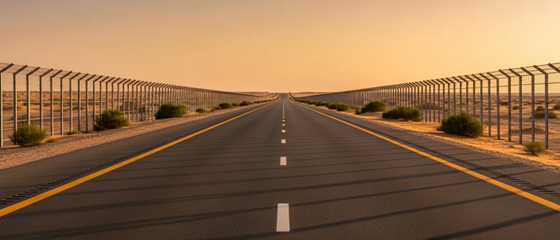
Road safety in the UAE depends on far more than traffic regulations. It begins with the quality of materials applied to every road surface. Thermoplastic paint is the backbone of durable road markings that guide drivers, pedestrians, and cyclists safely every single day. Yet the performance of those markings is only as good as the manufacturer behind them. Choosing the right thermoplastic paint manufacturer in the UAE can mean the difference between road markings that hold up for years and those that fade within months. This blog explains why that choice carries significant weight for every road infrastructure project.
Key Takeaways
- Thermoplastic paint quality directly affects road safety, nighttime visibility, and long-term infrastructure costs.
- UAE climate conditions demand heat-resistant, UV-stable formulations that only experienced manufacturers can consistently deliver.
- Working with a reliable thermoplastic paint manufacturer in the UAE ensures regulatory compliance, correct application, and professional after-service support.
What Makes Thermoplastic Paint the Standard for Road Markings in the UAE. ↵
Thermoplastic paint offers superior durability, retroreflectivity, and heat resistance, making it the preferred road marking solution across UAE highways and urban roads.
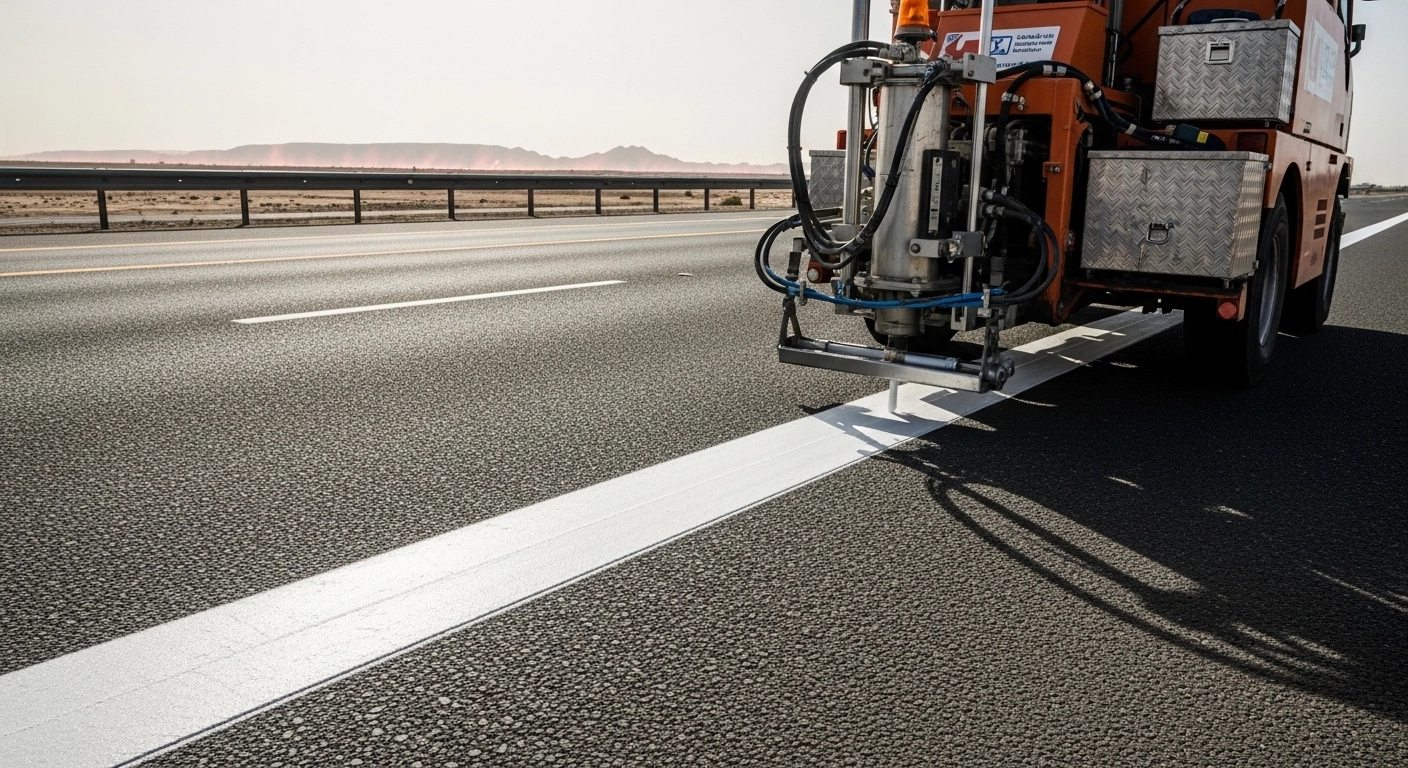
Thermoplastic paint is a hot-applied road marking material composed of synthetic resins, glass beads, pigments, and fillers. Once applied to a road surface and cooled, it forms a hard, tightly bonded layer on asphalt or concrete. Unlike conventional solvent-based paints, thermoplastic markings resist wear from heavy traffic volumes, UV radiation, and extreme surface temperatures. In the UAE, where road surface temperatures can exceed 60 degrees Celsius during summer months, this thermal stability is not optional. It is essential.
The glass beads embedded within the material provide retroreflectivity, significantly improving nighttime visibility for drivers. This safety property, combined with the material’s resistance to skidding and abrasion, is why thermoplastic road markings have become the standard across UAE highways, urban intersections, parking facilities, and pedestrian zones. Explore the full range of thermoplastic paints and road markings available for infrastructure projects across the UAE.
Why UAE Climate Conditions Demand a Specialist Thermoplastic Paint Manufacturer
The UAE’s extreme heat, intense UV exposure, and coastal humidity require thermoplastic paint formulations engineered specifically for Gulf conditions.
Standard road marking materials frequently underperform in UAE conditions. Intense solar radiation, surface temperatures far exceeding those found in temperate regions, and the coastal humidity experienced in cities like Abu Dhabi and Dubai create a demanding operating environment for any road marking material. A specialist thermoplastic paint manufacturer in the UAE understands these regional demands and produces formulations with elevated heat resistance, appropriate UV stabilizers, and carefully calibrated binder-to-filler ratios.
Without these climate-specific adjustments, road markings can crack, bubble, or lose retroreflectivity rapidly, creating genuine safety hazards on busy roads and requiring costly reapplication work. Generic imported products that have not been formulated for Gulf conditions often fail within a single summer. Choosing a manufacturer with proven UAE-specific product experience is not simply a preference. It is a practical and measurable necessity for every road infrastructure project that expects long-term performance.
Quality and Compliance Standards That Every Road Project Must Meet
Road marking materials used on UAE roads must meet strict regulatory and technical standards to ensure consistent safety performance and project acceptance.
Infrastructure projects across the UAE are governed by standards set by road and transport authorities at both federal and emirate levels. These standards define acceptable parameters for thermoplastic paint composition, application thickness, retroreflectivity values, and skid resistance. A reliable thermoplastic paint manufacturer maintains product formulations that are fully compliant with these requirements and is able to supply material data sheets, test reports, and relevant certifications upon request.
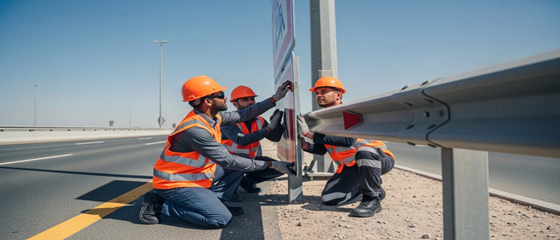
Non-compliant materials can result in project rejection, expensive rework, contract disputes, and most critically, compromised road safety outcomes for end users. Working with a manufacturer who actively monitors and adheres to UAE compliance standards reduces project risk for road contractors, municipalities, and government road authorities alike. According to the UAE Federal Roads and Transport Authority, road marking standards form a critical component of road safety infrastructure planning. Compliant road markings also integrate effectively with other road safety products such as road traffic signs, creating a cohesive and legally sound safety environment.
The Role of Application Support and After-Service in Road Marking Projects
A dependable thermoplastic paint manufacturer goes beyond product supply by offering technical application guidance and structured post-installation support.
Supplying thermoplastic paint is only part of the equation. Proper application technique is equally critical to achieving durable and high-performing road markings. Factors such as substrate surface temperature, material application temperature, correct thickness, and appropriate drying conditions all influence the final bond strength and longevity of the marking. Errors at any stage of application can shorten the lifespan of markings significantly, regardless of the quality of the base material used.
A reliable manufacturer provides clear technical guidance to ensure correct application, reducing costly installation errors and ensuring the product performs as specified over its full service life. After-service support is equally important for large-scale infrastructure programs where markings require periodic assessment and reapplication across multiple project phases. Revive Middle East offers comprehensive road marking and installation services that combine quality thermoplastic products with professional technical support across the UAE.
How to Evaluate a Thermoplastic Paint Manufacturer in the UAE
Selecting the right manufacturer requires assessing their product capabilities, project track record, technical documentation, and ability to handle large-scale UAE infrastructure work.
Not every supplier operates at the same level of technical capability or project delivery. When evaluating a thermoplastic paint manufacturer in the UAE, infrastructure procurement teams should assess a number of key factors. A verifiable track record of completed road marking projects across UAE highways, municipal roads, and private developments is a strong indicator of operational reliability.
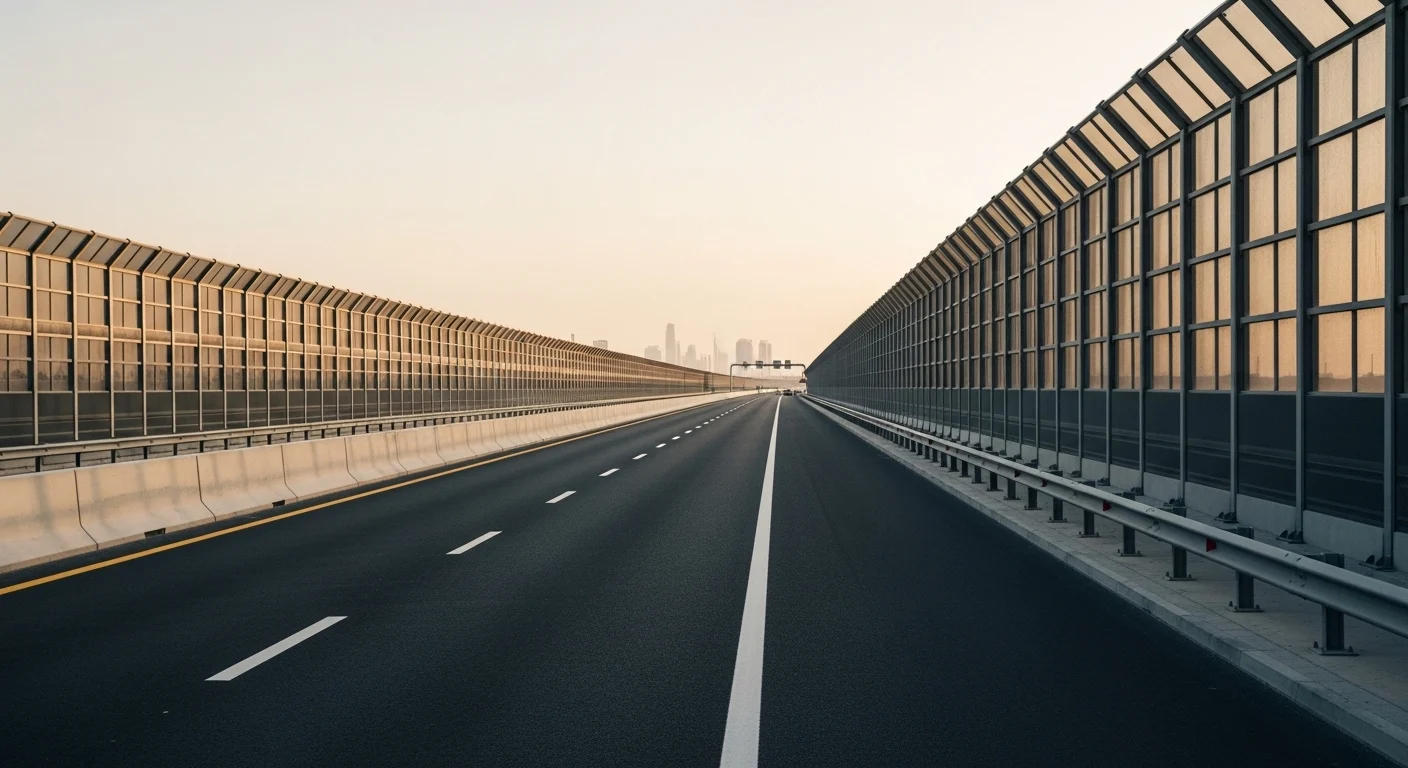
The ability to supply detailed product specifications, compliance documentation, and application guidelines demonstrates a manufacturer’s technical depth and commitment to quality assurance. The capacity to fulfill large government and municipal contracts without compromising consistency is another important criterion. Additionally, a manufacturer whose product range extends beyond thermoplastic paint to include guard rails and barriers and other road safety infrastructure signals a broader expertise valuable for full-scope road projects. Reviewing a manufacturer’s completed projects provides direct insight into their on-ground capabilities and the scale of work successfully delivered.
Long-Term Value Versus Short-Term Cost in Road Marking Projects
Choosing a lower-cost but less reliable manufacturer typically results in significantly higher overall project costs through early material failure and repeated reapplication.
Budget management is a central concern for every infrastructure project. However, selecting a thermoplastic paint manufacturer based primarily on the lowest available price frequently leads to higher total expenditure over the life of a project. Lower-quality formulations degrade faster under UAE climate conditions, requiring reapplication within one to two years rather than the five to seven years that properly formulated thermoplastic road markings can deliver.
Each reapplication cycle involves material costs, road closure and traffic management expenses, labour charges, and project administration overheads. The true cost of inferior road markings extends beyond material spend into measurable safety risks when markings lose clarity, reflectivity, or contrast. Infrastructure stakeholders who invest in a reliable thermoplastic paint manufacturer from project inception achieve better service life, fewer disruptions to road users, stronger compliance outcomes, and ultimately a lower cost per year of effective service.
Conclusion
Road safety infrastructure performs only as reliably as the materials and manufacturers behind it. In the UAE, where road networks carry high traffic volumes and endure some of the most demanding environmental conditions in the world, the choice of thermoplastic paint manufacturer directly shapes the quality, durability, and regulatory compliance of every road marking project. From climate-appropriate formulations and material compliance to professional application support and after-service reliability, the right manufacturer creates a measurable difference across the full lifecycle of a road marking program.
Revive Middle East is a trusted supplier of thermoplastic paints and road marking solutions across the UAE, backed by manufacturing capability, deep product expertise, and an enduring commitment to road safety infrastructure. Contact us today to discuss the requirements of your next road marking or road safety project.
FAQ
Q1: What is thermoplastic paint used for in road markings?
Thermoplastic paint is used to create durable road markings such as lane lines, pedestrian crossings, arrows, and stop lines. It bonds strongly to road surfaces and offers high retroreflectivity for nighttime visibility, making it the preferred material for road safety infrastructure across the UAE.
Q2: Why is thermoplastic paint preferred over regular road paint in the UAE?
Thermoplastic paint outperforms regular road paint in UAE conditions due to its superior heat resistance, UV stability, and longer service life. Standard paints fade quickly under intense solar radiation, while thermoplastic markings can last five to seven years with correct application and proper formulation.
Q3: How does UAE climate affect thermoplastic road markings?
Extreme heat, UV radiation, and coastal humidity in the UAE accelerate the degradation of poorly formulated road markings. Quality thermoplastic paint manufacturers engineer their products with climate-specific additives to ensure markings retain retroreflectivity, colour, and adhesion under harsh Gulf weather conditions throughout the year.
Q4: What standards must a thermoplastic paint manufacturer in the UAE follow?
Thermoplastic paint manufacturers in the UAE must comply with standards set by federal and emirate-level road and transport authorities. These standards govern material composition, application thickness, skid resistance, and retroreflectivity to ensure road markings meet consistent safety and performance requirements across all road types.
Q5: How long do thermoplastic road markings last in the UAE?
High-quality thermoplastic road markings applied correctly can last between five and seven years in UAE conditions. Inferior products or incorrect application can reduce this lifespan to one to two years, increasing project costs significantly. Partnering with an experienced manufacturer is key to maximising the longevity of your road safety products.
Q6: What should I look for when choosing a thermoplastic paint manufacturer in the UAE?
Look for verified project experience, product compliance documentation, technical support capability, and proven performance in UAE climate conditions. A manufacturer offering a complete range of road safety products, including road signs and guard rails, demonstrates the broader infrastructure expertise needed for comprehensive road projects.
Q7: What is the difference between hot-applied and cold-applied road markings?
Hot-applied thermoplastic paint is melted and applied at high temperature, forming a thick, durable layer that bonds strongly to road surfaces. Cold-applied markings use solvent or water-based paints at ambient temperature. Hot-applied thermoplastic is significantly more durable and is the standard for high-traffic UAE roads.
Q8: Can thermoplastic road markings be used in parking areas and private roads?
Yes. Thermoplastic road markings are widely used in parking facilities, private roads, industrial zones, and residential developments across the UAE. They offer the same durability and visibility benefits as highway markings, making them suitable for any surface requiring clear, long-lasting road markings, including areas where street bollards and other safety elements are also installed.
Q9: How is thermoplastic paint applied to road surfaces?
Thermoplastic paint is melted in a mobile heater unit and applied to the road surface using a screed or spray machine at temperatures between 180 and 220 degrees Celsius. Glass beads are spread over the surface to enhance retroreflectivity. The material cools and hardens within minutes, allowing roads to reopen quickly.
Q10: What other road safety products complement thermoplastic road markings?
Thermoplastic road markings work alongside road traffic signs, ground-mounted signs, street bollards, guard rails, and barriers. Using these elements together creates a complete and compliant road safety environment, especially for high-traffic highways and urban road networks across the UAE.